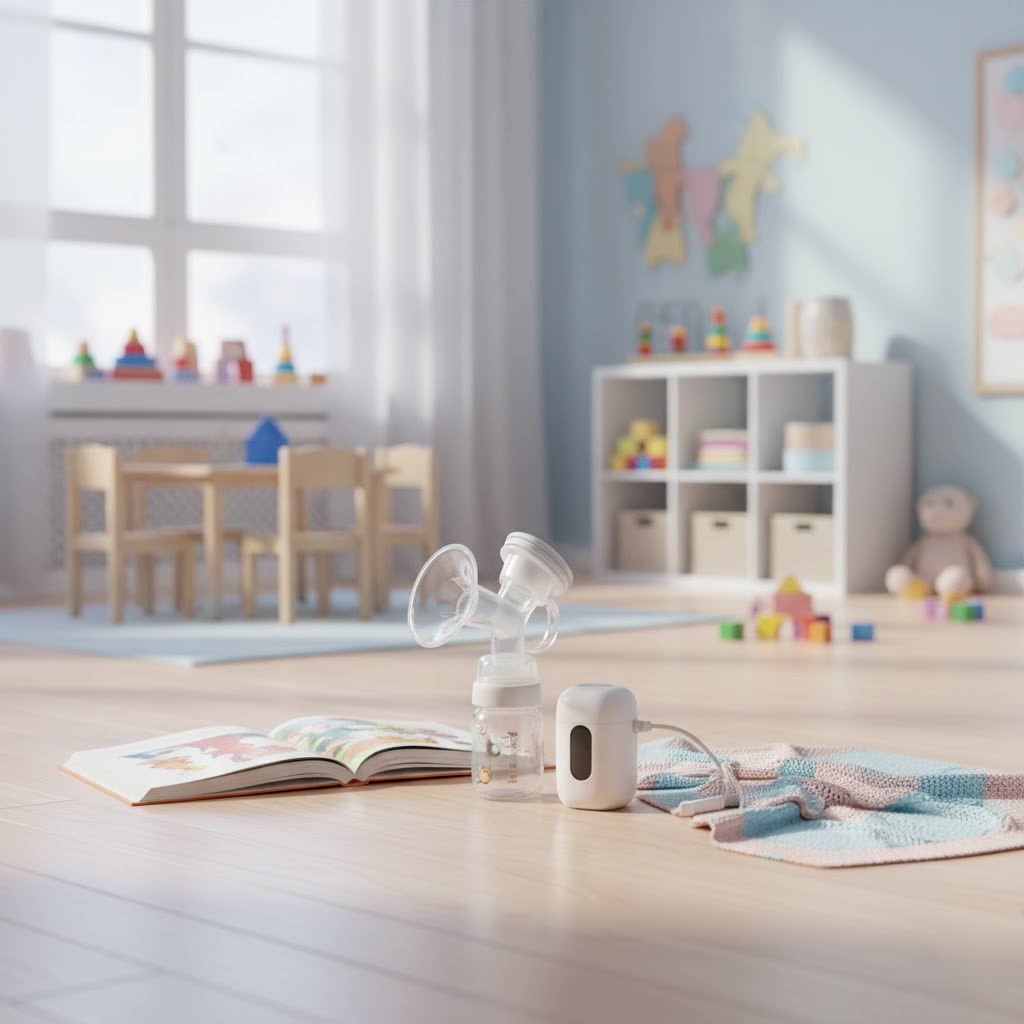
Bringing a new life into the world is an incredible journey, and for many parents, breastfeeding is a cornerstone of this experience. A high-quality breast pump can be an invaluable tool, providing flexibility, comfort, and the ability to maintain milk supply. However, the cost of a breast pump can be a significant concern. The good news is that thanks to federal mandates, most health insurance plans now offer coverage for breast pumps, often at no out-of-pocket cost. This comprehensive guide will walk you through everything you need to know about securing an insurance-covered breast pump, helping you make an informed choice for your unique needs.
Common Types of Breast Pumps
Understanding the different types of breast pumps available is the first step in selecting one that aligns with your lifestyle and breastfeeding goals.
- Manual Breast Pumps: These pumps operate by hand, requiring you to manually squeeze a lever to create suction. They are compact, quiet, and do not require electricity, making them ideal for occasional use, travel, or to relieve engorgement. However, they can be tiring for frequent or long pumping sessions.
- Single Electric Breast Pumps: Powered by electricity or batteries, these pumps allow you to express milk from one breast at a time. They offer adjustable suction levels and cycles, providing more efficiency than manual pumps. They are suitable for mothers who pump regularly but may not need to build a large milk stash.
- Double Electric Breast Pumps: Considered the gold standard for consistent pumping, double electric pumps express milk from both breasts simultaneously. This not only halves pumping time but also can lead to a higher milk output and better milk-emptying, which is crucial for maintaining supply. Most insurance plans primarily cover these personal-use, double-electric models due to their efficiency and medical benefits.
- Wearable/Hands-Free Breast Pumps: These innovative pumps fit directly into your bra, allowing for discreet and hands-free pumping. They are generally battery-operated and offer unparalleled mobility, perfect for busy parents or those returning to work. While highly convenient, they may offer less suction power or customization compared to traditional double electric pumps and might be considered an “upgrade” by some insurance providers, potentially incurring an out-of-pocket cost difference.
Detailed Comparison of Breast Pump Types
Choosing a breast pump involves weighing various factors. Here’s a comparison to help you understand the trade-offs:
| Feature | Manual Pump | Single Electric Pump | Double Electric Pump | Wearable/Hands-Free Pump |
|---|---|---|---|---|
| Pros | Portable, quiet, affordable, no electricity needed | More efficient than manual, adjustable settings | Fastest, most efficient, best for supply, adjustable settings | Ultimate mobility, discreet, hands-free operation |
| Cons | Fatiguing, low output, inconsistent suction | Slower than double, less ideal for full-time pumping | Less portable, can be noisy, requires power source | Lower suction, less customization, battery life, often an “upgrade” cost |
| Price | Low ($20-$50) | Mid-range ($70-$150) | High ($150-$400+) | High ($250-$500+) |
| Noise | Silent | Low to moderate | Moderate to high | Low to moderate |
| Portability | Excellent | Good | Moderate | Excellent |
| Best For | Occasional use, travel, engorgement relief | Regular pumping, but not exclusive | Full-time pumping, establishing/maintaining supply | Busy parents, pumping on-the-go, discreet pumping |
How to Choose the Right Breast Pump
Selecting the perfect breast pump is a personal decision, but considering these factors can simplify the process:
- Identify Your Usage Needs:
- Frequency: Will you pump occasionally, daily, or exclusively? Exclusive pumpers will benefit most from a double electric pump.
- Location: Do you need a pump for home, work, or while traveling? Portability and noise level become critical factors for those pumping on the go.
- Purpose: Are you building a milk stash, managing supply, or returning to work? These goals will guide your pump choice.
- Consider Your Budget: While insurance often covers a basic double electric pump, some premium models or hands-free options might incur an “upgrade” fee. Understand what your insurance fully covers before committing to a specific model.
- Essential Features: Look for features like adjustable suction and cycle speeds, massage modes for let-down, backflow protection, and comfort-fit flange sizes. A pump that feels comfortable and efficient will encourage consistent use.
- Reputable Brands: Brands like Medela, Spectra, Philips Avent, Lansinoh, Elvie, Willow, and Momcozy are well-known for their quality and reliability in the breast pump market.
- Read User Reviews: Real-world experiences from other parents can provide invaluable insights into a pump’s performance, durability, and user-friendliness.
Top-Rated Breast Pumps Covered by Insurance
While specific brands and models covered can vary by insurance plan and supplier, several top brands consistently feature as popular choices for insurance coverage:
- Medela: A long-standing leader, Medela offers robust double electric pumps like the Pump In Style with MaxFlow Technology. Known for hospital-grade technology in a personal-use pump, it’s a reliable choice for efficient expression and supply maintenance.
- Spectra: Spectra pumps, such as the S1 Plus (rechargeable battery) and S2 Plus (wall-powered), are highly regarded for their quiet operation, gentle suction, and closed system (hygienic). Many parents appreciate their comfort and effectiveness.
- Philips Avent: The Advanced Double Electric Breast Pump by Philips Avent is often noted for its soft massage cushion and natural expression technology, designed to mimic a baby’s suckling.
- Lansinoh: The Smartpump 2.0 Double Electric Breast Pump combines strong suction with smart technology, connecting to an app for tracking and personalization.
- Wearable Options: Brands like Elvie and Willow offer highly popular hands-free wearable pumps. While often available with insurance, they might require an upgrade fee or be covered by specific plans as these are often considered premium options. Momcozy and BabyBuddha also offer wearable solutions gaining popularity.
“Choosing the right breast pump isn’t just about efficiency; it’s about finding a tool that seamlessly integrates into your unique routine and supports your emotional and physical well-being as a new parent.” – Admin, ReviewsQuik.com
Navigating Insurance Coverage for Your Breast Pump
The Affordable Care Act (ACA) mandates that most health insurance plans cover breastfeeding equipment and support, including personal-use breast pumps. Here’s how to navigate the process:
- Understand Your Policy: Start by contacting your insurance provider directly (the number on your health plan ID card) or visiting their website. Ask about your specific benefits for breast pumps, including:
- When you can receive the pump (before or after delivery).
- What types of pumps are covered (manual, electric, specific brands/models).
- If you need a doctor’s prescription.
- Whether you must use a specific in-network supplier.
- Coverage for accessories (milk storage bags, replacement parts) and lactation counseling.
- Obtain a Prescription: Most insurers require a prescription from your doctor, midwife, or nurse practitioner. This prescription typically needs to be dated within a certain timeframe (e.g., 30 days before or after delivery).
- Choose an Approved Supplier: You generally cannot purchase a breast pump at a retail store and expect reimbursement. You must go through a Durable Medical Equipment (DME) provider or a specialized breast pump supplier that works directly with insurance companies. Popular suppliers include Aeroflow Breastpumps, Acelleron Medical Products, and Babylist Health. These companies verify your insurance, obtain necessary documentation, and handle the billing directly.
- Select Your Pump: Once your coverage is verified, you’ll choose from the pumps your insurance plan covers, often at no cost. If you opt for an “upgrade” or a more premium model, you might pay an out-of-pocket difference.
- Placement of Order: Most insurance plans cover one breast pump per pregnancy. If you order more than one, even from different suppliers, you may be responsible for the cost of additional pumps.
How to Use and Clean Your Breast Pump Correctly
Proper usage and hygiene are paramount for effective and safe pumping.
Lắp ráp máy hút sữa
|
Our Picks for the Best Breast Pump in 2026
As an Amazon Associate I earn from qualifying purchases.
|
||
| Num | Product | Action |
|---|---|---|
| 1 | Momcozy Breast Pump V1 Pro Hospital-Grade, Hands-Free & Portable Wearable Pump, Upgraded Electric Pump with 3 Fine-Tuned Rhythms-15 Levels, Come with Leak-Proof DoubleFit Flange, Cozy Red. |

|
| 2 | Momcozy Wearable Breast Pump, Hands Free Upgraded Mobile Flow - M9, App Discreet Control with Personalized Multi-Modes & 15 Levels, Wearable Breast Pump 24mm, 2 Pack Cozy Red |
|
| 3 | Momcozy M5 Smart APP Controlled Wearable Breast Pump, Hands-Free Wireless Electric Pump, 3 Modes 9 Suction Levels, BPA-Free, Portable Lightweight, 24mm Flange, 2-Pack Quill Gray |
|
| 4 | NCVI Electric Breast Pump 8782, Portable Hospital-Grade Double Pump with 4 Modes & 9 Levels, Anti-Backflow, Rechargeable Quiet Breastfeeding Pump for Efficient Comfortable Use at Home, Work or Travel |
|
| 5 | Lulia Double Electric Breast Pump, Breastfeeding Pump 4 Modes & 9 Levels, Low Noise, Anti-Backflow & LED Display, BPA Free, Portable Breast Pumps with 24mm Flange |
|
| 6 | Paruu Hands Free Breast Pump P16, Wearable Breast Pump Electirc Portable with 4 Modes & 12 Levels, Max 309mmHg Strong Suction 19/21/24mm Flange Inserts Wearable Breastfeeding Pump, 2 Pack(Nude |
|
| 7 | Hands Free Breast Pump, Wearable Breastfeeding Pump with 4 Mode & 9 Level, Strong Suction, Painless, Anti-Backflow, BPA Free, Portable Electric Breast Pumps with 17/19/21/24MM Flanges |
|
| 8 | Hands Free Breast Pump Wearable MY-375 - Strong Suction, Low Noise, Wearable Breastfeeding Pump with 4 Mode &12 Levels, Portable Electric Breast Pump 24mm - 19/21/Insert/Flange, 2 Pack (White) |
|
| 9 | Momcozy M5 Lite Hands-Free Wearable Breast Pump, DoubleFit Flange for Baby-Like Comfort, 3 Modes & 9 Suction Levels, No Flange Insert or Hard Carry Case, 24mm, 2-Pack, Cozy Red |
|
| 10 | Momcozy M5 Smart APP Controlled Wearable Breast Pump, Hands-Free Wireless Electric Pump, 3 Modes 9 Suction Levels, BPA-Free, Portable Lightweight, 24mm Flange, 2-Pack Cozy Red |
|
Refer to your pump’s manual for specific assembly instructions. Generally, you’ll connect the breast shields to the connector, attach the valve and membrane, and then secure the collection bottle. The tubing connects the connector to the pump motor.
Điều chỉnh lực hút
Start with a gentle suction setting and gradually increase it to a comfortable level. You should feel a pulling sensation, but it should never be painful. Many pumps also have a “let-down” or “massage” mode to stimulate milk flow before moving to expression mode.
Vệ sinh và tiệt trùng các bộ phận của máy
- After Each Use: Disassemble all parts that come into contact with breast milk (breast shields, valves, membranes, bottles). Wash them with warm soapy water and rinse thoroughly. Air dry on a clean paper towel or drying rack. Avoid using cloth towels, which can harbor germs.
- Daily/Regular Sterilization: Sterilize pump parts daily or as recommended by the manufacturer. This can be done by boiling for 5-10 minutes, using a steam sterilizer, or dishwasher (if parts are dishwasher safe).
- Tubing: Tubing generally does not need to be washed unless milk gets into it. If milk enters the tubing, clean and sterilize it, and ensure it’s completely dry before re-use to prevent mold.
Bảo quản máy hút sữa
Store your clean, dry pump parts in a clean, covered container or bag. Keep the pump motor in a cool, dry place away from direct sunlight.
Common Issues and Troubleshooting
Even with the best preparation, you might encounter issues while pumping.
- Breast pump not suctioning: Check that all parts are correctly assembled, especially valves and membranes. Ensure there are no cracks or tears in the parts. Confirm the tubing is securely attached and not kinked.
- Weak suction: This could be due to worn-out parts (membranes, valves), improper flange size, or a weak motor/battery. Replace worn parts regularly. Ensure your flanges fit correctly. If battery-operated, check battery life or use a power adapter.
- Pumping causes pain: Pain is a sign that something is wrong. Check your flange size – it might be too small or too large. Ensure suction isn’t too high. If pain persists, consult a lactation consultant.
- Breast pump leaking: Double-check that all connections are tight, especially bottle attachments and membranes. Ensure collection bottles aren’t overfilled.
Where to Get Your Insurance-Covered Breast Pump
Getting your breast pump through insurance is typically a streamlined process when using approved channels.
- Durable Medical Equipment (DME) Suppliers: These are specialized companies that partner with insurance providers to supply medical equipment, including breast pumps. Popular examples include Aeroflow Breastpumps, Acelleron Medical Products, and Babylist Health. They handle the insurance verification and paperwork, making the process hassle-free.
- Directly Through Your Insurance Provider: Some insurance companies have their own programs or a list of preferred vendors you can contact directly. Always start by checking your plan’s benefits.
- Hospital or Birthing Center Programs: In some cases, hospitals or birthing centers may have programs that facilitate obtaining a pump through insurance.
Important: Remember that breast pumps purchased from retail stores are generally not eligible for insurance reimbursement. Always work through an authorized supplier to ensure coverage.
Conclusion
Obtaining a breast pump through your insurance is a significant benefit that supports breastfeeding parents in their journey. By understanding the types of pumps available, knowing how to navigate your insurance benefits, and choosing a reputable supplier, you can easily secure this essential tool, often at no cost. Remember to prioritize comfort, efficiency, and proper hygiene to make your pumping experience as positive and productive as possible.
The world of breast pumps can seem overwhelming at first, but with the right information, you’ll confidently choose a pump that empowers you on your path to nurturing your little one. What steps will you take today to secure your insurance-covered breast pump?
Frequently Asked Questions
Do I need a prescription to get a breast pump through insurance?
Yes, most health insurance providers require a prescription from a doctor, midwife, or nurse practitioner to cover a breast pump. It’s best to obtain this prescription with the baby’s due date or date of birth.
When can I get my breast pump through insurance?
The specific timing depends on your insurance plan, but many plans allow you to order your breast pump up to 30 days before your estimated due date, and typically within one year after delivery. Always verify the exact window with your insurer.
What type of breast pump does insurance usually cover?
Most insurance plans, as mandated by the Affordable Care Act, cover a personal-use, double-electric breast pump at no cost. Manual or single electric pumps may also be covered, but less commonly, while hands-free or hospital-grade pumps might be considered upgrades with potential out-of-pocket costs.
Can I get a second breast pump through my insurance for the same pregnancy?
Generally, no. Most insurance companies limit coverage to one breast pump per pregnancy. Attempting to get multiple pumps may result in you being responsible for the cost of additional devices.
Does insurance cover breast pump accessories like milk storage bags or replacement parts?
Some insurance plans do cover breast pump accessories such as milk storage bags, replacement parts (e.g., tubing, flanges), and even lactation counseling. Check with your insurance provider or breast pump supplier to understand your specific benefits.
What if my insurance doesn’t cover the specific breast pump I want?
If your desired pump is not fully covered, you may have the option to pay an “upgrade fee” to cover the difference between the insurance-covered model and your preferred pump. Alternatively, explore other fully covered options that meet your needs.
Get our weekly buyer guide
Practical specs, not advice. Unsubscribe anytime.
