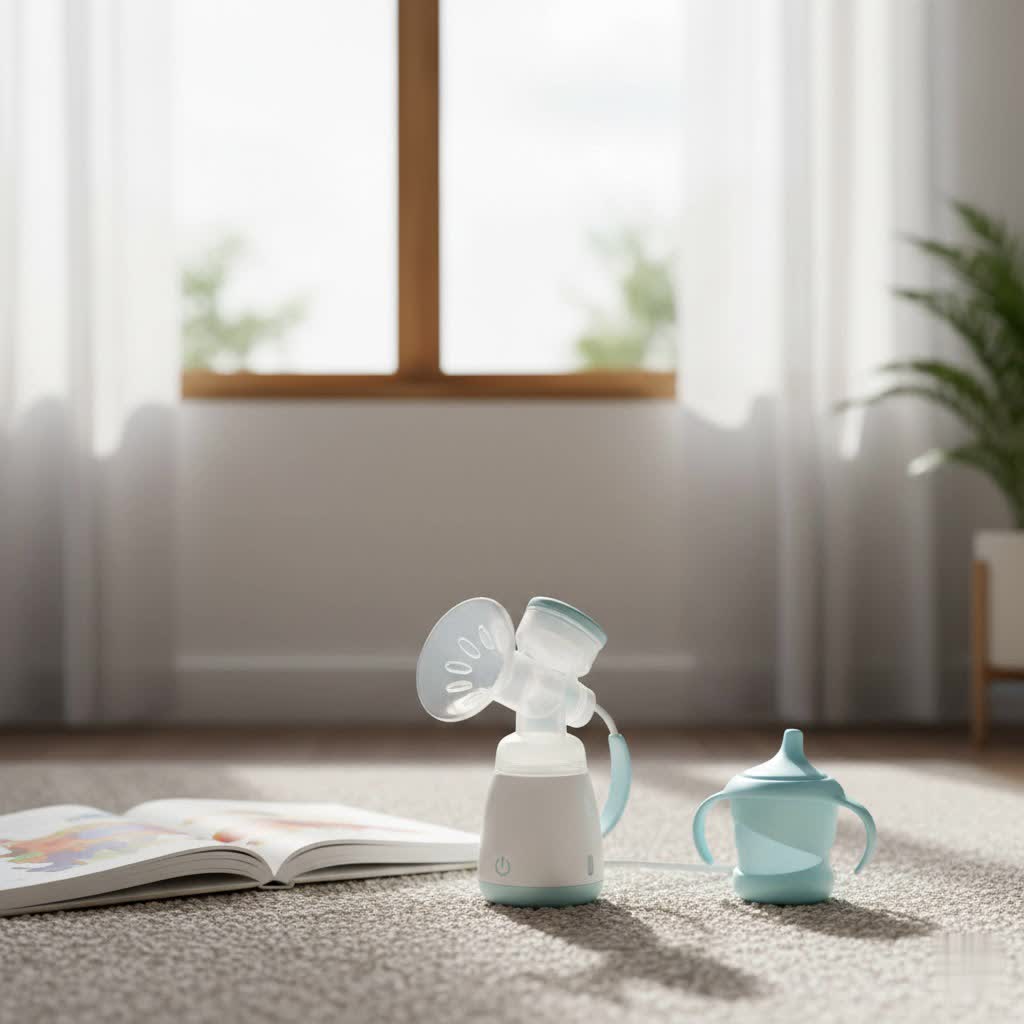
For many who dream of breastfeeding, whether adoptive parents, non-gestational mothers in same-sex partnerships, or individuals seeking to re-establish a milk supply after a break, the journey of induced lactation offers a profound pathway to nourish a baby. While it requires dedication and patience, the remarkable capacity of the human body to produce milk can be effectively stimulated and supported, with the breast pump emerging as an indispensable tool in this transformative process. Understanding how to leverage this device correctly, alongside professional guidance and a consistent approach, is key to unlocking the potential for providing breast milk.
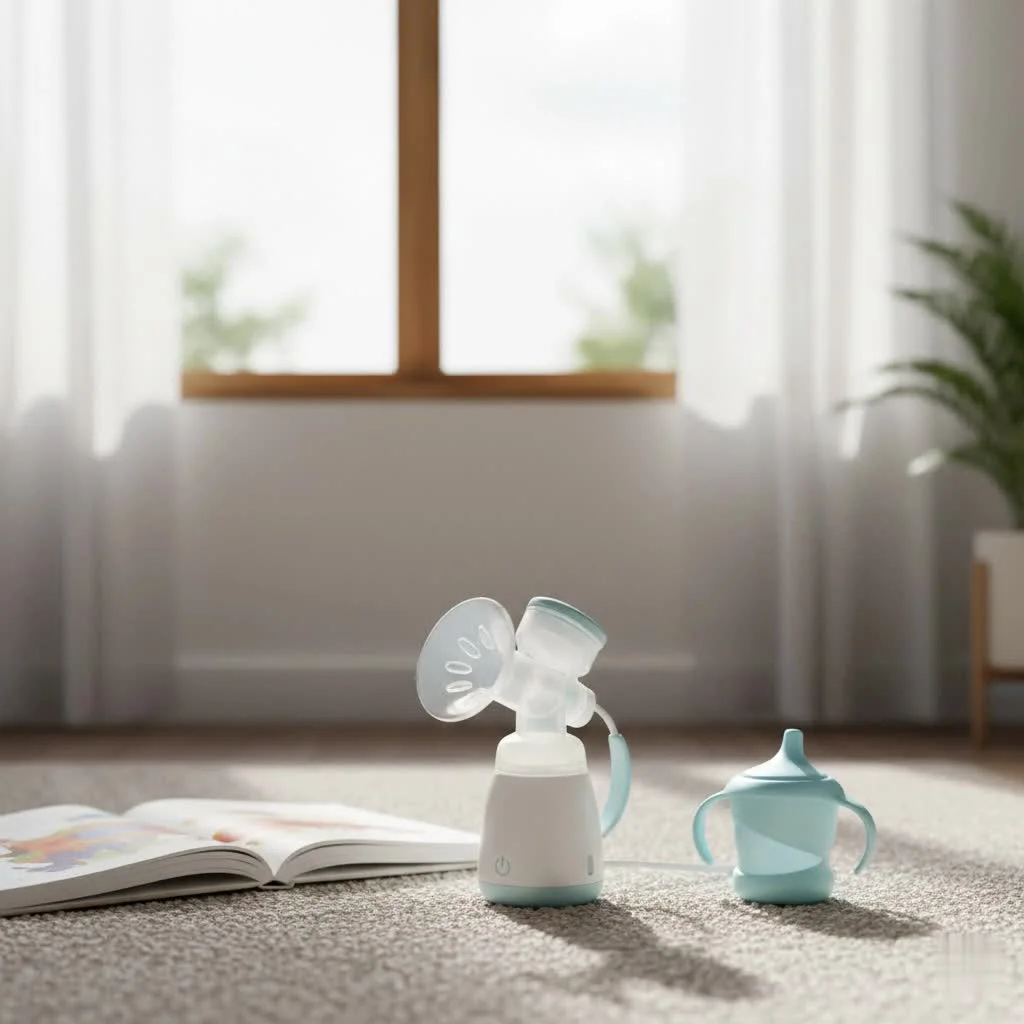
Understanding Induced Lactation and Relactation
The journey to breastfeeding without a recent biological pregnancy typically falls into two categories: induced lactation and relactation. While both aim to establish or re-establish milk production, their starting points and approaches can differ.
What is Induced Lactation?
Induced lactation refers to the process of stimulating milk production in individuals who have not been pregnant or given birth recently, or sometimes ever. This path is often chosen by adoptive parents, parents via surrogacy, or non-gestational parents in same-sex relationships who wish to breastfeed their babies. The body is essentially “tricked” into believing it is pregnant and has given birth, primarily through a combination of hormonal therapy and consistent breast stimulation.
What is Relactation?
Relactation is the process of restarting milk production after it has significantly decreased or completely stopped. This can occur for various reasons, such as early weaning due to challenges, medical issues, or a desire to resume breastfeeding after a period of formula feeding. Unlike induced lactation, relactation builds upon existing mammary tissue and hormonal pathways that were previously active, often making the process slightly different in terms of preparation.
Key Differences
The primary distinction lies in the individual’s history with lactation. Induced lactation starts from a point where the body has not recently produced milk in response to pregnancy. Relactation, on the other hand, involves reactivating a system that was once functional. Both journeys, however, share the fundamental principle of supply and demand, where consistent nipple and breast stimulation signals the body to produce milk, and the breast pump plays a critical role in providing that consistent demand.
The Power of Breast Pumps in Lactation Induction
At the heart of both induced lactation and relactation lies the principle of consistent stimulation. A breast pump is crucial because it effectively mimics the suckling action of a newborn, sending vital signals to the brain to release prolactin, the hormone responsible for milk production. Without a baby directly at the breast, the pump becomes the primary mechanism for establishing this critical demand.
The mechanical action of the pump, combined with its ability to maintain a regular schedule of milk removal (or stimulation), is far more efficient and sustainable than manual expression alone for building a milk supply from scratch or rebuilding a dwindling one. It creates the necessary hormonal response to signal the mammary glands to “turn on” and begin producing milk.
Choosing the Right Breast Pump for Inducing Lactation
Selecting the appropriate breast pump is one of the most significant decisions for those embarking on induced lactation or relactation. The right pump can greatly enhance comfort, efficiency, and ultimately, success.
Hospital-Grade Double Electric Pumps
|
Our Picks for the Best Breast Pump in 2026
As an Amazon Associate I earn from qualifying purchases.
|
||
| Num | Product | Action |
|---|---|---|
| 1 | Momcozy M5 Smart APP Controlled Wearable Breast Pump, Hands-Free Wireless Electric Pump, 3 Modes 9 Suction Levels, BPA-Free, Portable Lightweight, 24mm Flange, 2-Pack Quill Gray |

|
| 2 | NCVI Electric Breast Pump 8782, Portable Hospital-Grade Double Pump with 4 Modes & 9 Levels, Anti-Backflow, Rechargeable Quiet Breastfeeding Pump for Efficient Comfortable Use at Home, Work or Travel |
|
| 3 | Momcozy Wearable Breast Pump, Hands Free Upgraded Mobile Flow - M9, App Discreet Control with Personalized Multi-Modes & 15 Levels, Wearable Breast Pump 24mm, 2 Pack Cozy Red |
|
| 4 | Momcozy M5 Smart APP Controlled Wearable Breast Pump, Hands-Free Wireless Electric Pump, 3 Modes 9 Suction Levels, BPA-Free, Portable Lightweight, 24mm Flange, 2-Pack Cozy Red |
|
| 5 | Paruu Hands Free Breast Pump P16, Wearable Breast Pump Electirc Portable with 4 Modes & 12 Levels, Max 309mmHg Strong Suction 19/21/24mm Flange Inserts Wearable Breastfeeding Pump, 2 Pack(Nude |
|
| 6 | Momcozy Breast Pump V1 Pro Hospital-Grade, Hands-Free & Portable Wearable Pump, Upgraded Electric Pump with 3 Fine-Tuned Rhythms-15 Levels, Come with Leak-Proof DoubleFit Flange, Cozy Red. |
|
| 7 | Lulia Double Electric Breast Pump, Breastfeeding Pump 4 Modes & 9 Levels, Low Noise, Anti-Backflow & LED Display, BPA Free, Portable Breast Pumps with 24mm Flange |
|
| 8 | Momcozy M5 Lite Hands-Free Wearable Breast Pump, DoubleFit Flange for Baby-Like Comfort, 3 Modes & 9 Suction Levels, No Flange Insert or Hard Carry Case, 24mm, 2-Pack, Cozy Red |
|
| 9 | Hands Free Breast Pump Wearable MY-375 - Strong Suction, Low Noise, Wearable Breastfeeding Pump with 4 Mode &12 Levels, Portable Electric Breast Pump 24mm - 19/21/Insert/Flange, 2 Pack (White) |
|
| 10 | Hands Free Breast Pump, Wearable Breastfeeding Pump with 4 Mode & 9 Level, Strong Suction, Painless, Anti-Backflow, BPA Free, Portable Electric Breast Pumps with 17/19/21/24MM Flanges |
|
For both induced lactation and relactation, hospital-grade double electric breast pumps are overwhelmingly recommended by experts. These pumps offer superior suction strength and efficiency, designed for heavy-duty, frequent use. Their powerful motors are adept at mimicking a baby’s rapid suckling during letdown and slower, deeper suckling during expression, providing the most effective stimulation. While they can be expensive to purchase, many can be rented from hospitals, lactation consultants, or medical supply stores, making them accessible.
Hands-Free Options
Given the demanding schedules required for lactation induction, hands-free pumping solutions are incredibly beneficial. These can include:
- Wearable Pumps: Modern all-in-one units that fit inside a bra, offering freedom of movement. While convenient, some may not have the same power as a traditional hospital-grade pump, so they might be best used as a supplementary option or for established supply.
- Pumping Bras: These bras hold traditional pump flanges in place, allowing users to double pump hands-free while using a robust electric pump. This significantly improves comfort and allows for multitasking.
Importance of Flange Fit
Correct breast flange (or breast shield) size is paramount. An ill-fitting flange can lead to pain, nipple damage, and ineffective milk removal, hindering milk production. A lactation consultant can help assess and recommend the correct size, ensuring that the nipple moves freely within the tunnel without excessive rubbing, and the areola is not pulled in too much.
Features to Look For
When choosing a pump, prioritize models with:
- Adjustable Cycle Speed and Suction (Vacuum): This allows you to customize settings to your comfort and the needs of your body, which can change throughout the induction process.
- Letdown/Stimulation Mode: This mode uses faster, lighter suction to mimic a baby’s initial suckling, triggering the milk ejection reflex (letdown).
- Double Pumping Capability: Simultaneously pumping both breasts has been shown to increase prolactin levels and milk yield more effectively than single pumping.
Step-by-Step Guide to Using a Breast Pump to Induce Lactation/Relactation
Embarking on the journey of induced lactation or relactation is a marathon, not a sprint. A structured approach, combined with unwavering commitment, is essential for success.
Preparation
- Consult Healthcare Professionals: Before starting, it is crucial to consult with your doctor, an International Board Certified Lactation Consultant (IBCLC), or other qualified healthcare providers. They can assess your individual situation, discuss potential hormonal therapies or galactagogues (milk-stimulating medications or herbs), and create a personalized plan. Protocols like the Newman-Goldfarb protocols are often discussed with medical professionals.
- Gather Your Equipment: Ensure you have your chosen hospital-grade double electric breast pump, correctly sized flanges, a hands-free pumping bra, and breast pump lubricant. Having multiple sets of pump parts can reduce the frequency of washing.
Pumping Schedule
Consistency and frequency are the cornerstones of stimulating milk production. The goal is to mimic the frequent feeding patterns of a newborn baby.
- Start Early: For induced lactation, ideally begin pumping weeks or even months before the baby’s arrival. This gives your body ample time to respond.
- Initial Phase (First few days/weeks): Start with short, frequent stimulation sessions. Aim for 8-10 sessions in 24 hours, even if no milk appears. Begin with 5 minutes three times a day, gradually increasing.
- Building Supply Phase: Work up to pumping for 15-20 minutes every 2-3 hours, day and night. This typically means 8-12 pumping sessions within a 24-hour period.
- Overnight Pumping: Do not skip night sessions. Prolactin levels are naturally highest between 1 AM and 5 AM, making this a crucial time for stimulating milk production.
- Consistency is Key: Even if you only see drops initially, or no milk at all, the consistent stimulation is sending signals to your body. Missing sessions can disrupt the hormonal feedback loop.
Pumping Techniques
Maximize your pumping effectiveness with these techniques:
- Double Pumping: Always pump both breasts simultaneously. This method is more time-efficient and has been shown to yield more milk and higher prolactin levels compared to pumping one side at a time.
- Hands-On Pumping: Combine pumping with breast massage and gentle compression. Massage your breasts before and during pumping to help move milk out of the ducts. This technique can increase milk volume and fat content.
- Use Letdown Mode: Start each session in the letdown or stimulation mode (faster, lighter suction) to initiate milk flow, then switch to the expression mode (slower, stronger suction) once milk begins to flow.
- Lubrication: In the early stages, when breasts are dry, using a food-grade lubricant on your nipples and flanges can improve comfort and reduce friction during pumping.
Tips for Success and Overcoming Challenges
Inducing lactation is a deeply personal and often challenging journey. Maintaining a positive mindset and seeking support are just as important as the physical mechanics of pumping.
- Patience and Realistic Expectations: Milk production can take weeks to months to establish, and the volume may vary greatly from person to person. It is important to remember that every drop of breast milk is beneficial, even if it’s not a full supply.
- Seek Lactation Consultant Support: An IBCLC can provide invaluable personalized guidance, help troubleshoot issues like flange fit or pumping technique, and offer emotional support.
- Monitor Baby’s Intake: If you are feeding a baby, work closely with your pediatrician to monitor their weight gain and diaper output. Supplemental feedings with formula or donor milk may be necessary, especially in the initial weeks, to ensure your baby receives adequate nutrition while your supply builds.
- Prioritize Self-Care: Lactation induction is physically and emotionally demanding. Ensure you get adequate rest, stay well-hydrated, and maintain a balanced diet. Stress can inhibit milk production, so find ways to relax and manage stress.
- Skin-to-Skin Contact: Maximize skin-to-skin contact with your baby. This powerful practice releases oxytocin, which aids in milk ejection and strengthens the bonding experience, even if milk supply is still developing.
- Maintain Hygiene: Always clean and sterilize pump parts according to manufacturer instructions to prevent bacterial growth and ensure safety for your baby.
Top Breast Pumps for Inducing Lactation
While specific models can vary by year and availability, certain brands consistently offer reliable hospital-grade or high-performance double electric pumps that are highly regarded for lactation induction and relactation. These often include:
- Medela Symphony: Often considered the gold standard for hospital-grade rental pumps, known for its efficiency and comfort.
- Spectra S1/S2: Popular personal-use pumps offering strong performance, closed systems, and quiet operation. The S1 includes a rechargeable battery for portability.
- Other high-quality double electric pumps: Many other brands offer excellent double electric pumps that can be effective, especially if they have strong suction, customizable settings, and a letdown mode.
Consider discussing options covered by your health insurance, as many plans cover breast pumps.
Conclusion
The decision to use a breast pump to induce lactation or relactation is a powerful testament to the desire to provide for a baby. It is a journey of dedication, science, and profound connection, demonstrating the incredible adaptability of the human body. While challenging, the rewards of being able to provide breast milk, even partially, are immense, fostering a unique bond and offering invaluable health benefits. Remember to equip yourself with the right tools, a robust pumping schedule, and, most importantly, the ongoing support of healthcare professionals and lactation consultants to navigate this extraordinary path. Are you ready to embark on this empowering journey?
Frequently Asked Questions
How long does it take to induce lactation with a pump?
The timeline varies significantly among individuals, depending on factors like hormonal preparation, consistency, and prior lactation history. You might see the first drops of milk within a few days to two weeks of consistent pumping, but achieving a noticeable or full supply can take anywhere from one to several months of dedicated effort. Patience and consistency are crucial.
Can I induce lactation without medication?
Yes, it is possible to induce lactation without medication, relying solely on frequent and consistent breast stimulation with a pump and manual expression. However, medical professionals often recommend hormonal therapy or galactagogues to mimic pregnancy and enhance prolactin production, which can significantly increase the chances of success and milk volume, especially for those who have never been pregnant.
What if I only produce a small amount of milk?
Even a small amount of breast milk is incredibly beneficial for a baby, offering protective antibodies and nutrients. It’s important to manage expectations and understand that a full milk supply is not guaranteed for everyone. Any amount produced is a valuable contribution, and it can be supplemented with formula or donor milk as needed. The emotional bond fostered through the nursing experience is also invaluable.
Is it painful to pump for induced lactation?
When using the correct flange size and appropriate suction settings, pumping for induced lactation should not be painful. Discomfort can arise from incorrect flange fit, too-high suction, or nipple soreness from frequent stimulation. Consulting a lactation consultant to ensure proper fit and technique is essential to prevent pain and make the process more comfortable and effective.
Get our weekly buyer guide
Practical specs, not advice. Unsubscribe anytime.
