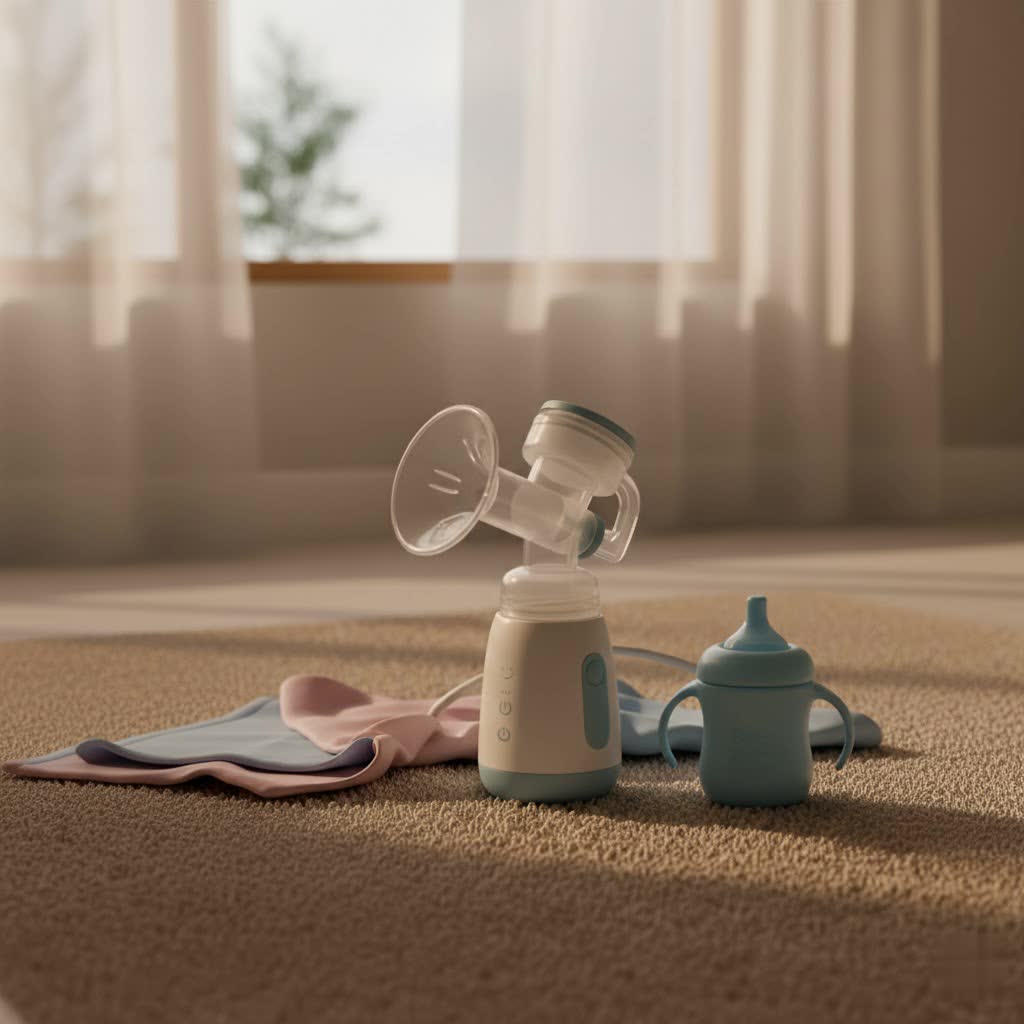
Preparing for a new baby is an exciting journey, often filled with countless decisions—from nursery decor to essential baby gear. Among the most crucial items for many new mothers is a breast pump, a vital tool for maintaining milk supply, managing feeding schedules, and empowering mothers to continue their breastfeeding journey. Navigating the world of insurance coverage for these devices can seem daunting, but thanks to modern healthcare mandates, obtaining a breast pump through insurance is often a straightforward and cost-free process. This guide will demystify how to order a breast pump through insurance, ensuring you get the support you need for a successful breastfeeding experience.
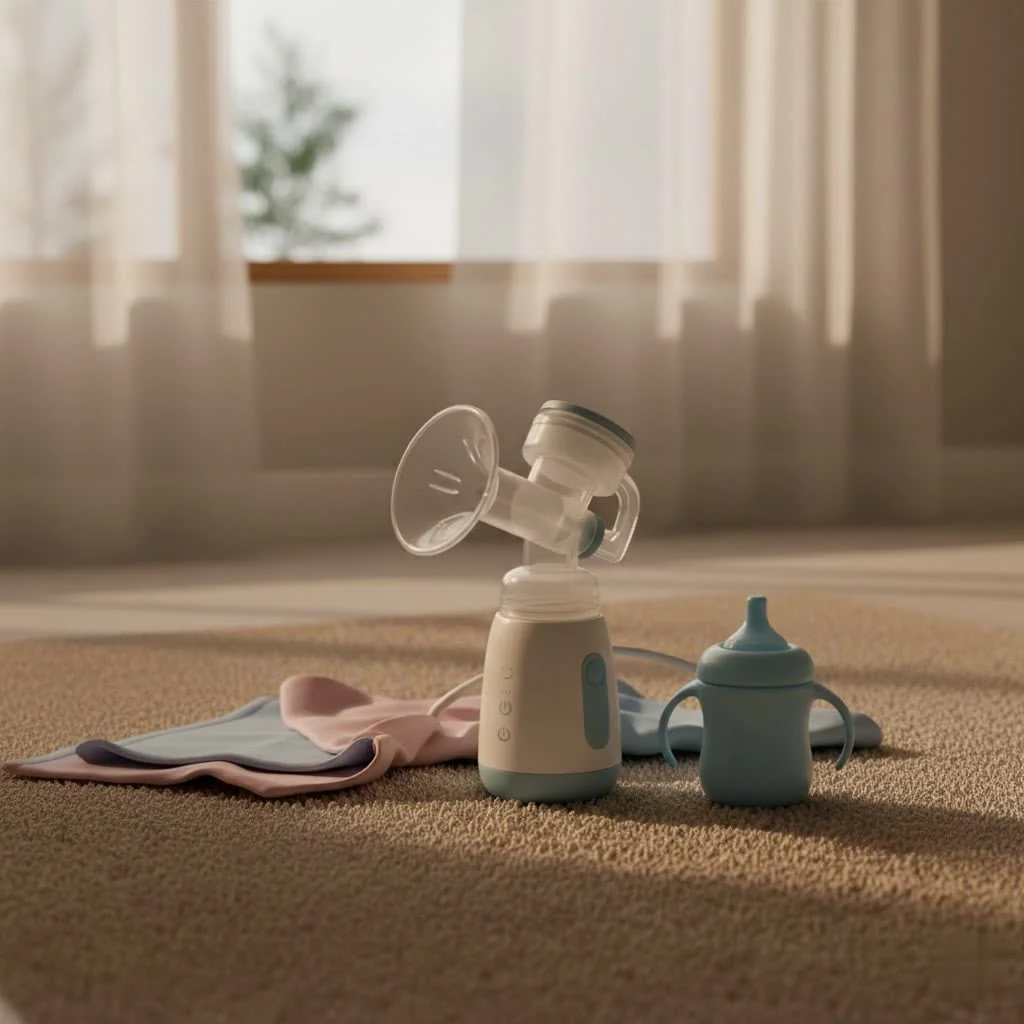
Understanding Your Breast Pump Coverage
The Affordable Care Act (ACA) revolutionized maternal healthcare by mandating that most health insurance plans cover breastfeeding support, supplies, and counseling. This typically includes the cost of a personal-use breast pump at no out-of-pocket expense. However, the specifics of what’s covered can vary by plan and provider, making it essential to understand your individual benefits.
What’s Typically Covered?
Most insurance plans, under the ACA, will cover a personal-use, double-electric breast pump. These pumps are highly efficient, designed for regular use, and closely mimic a baby’s natural nursing rhythm. They are ideal for mothers who plan to pump frequently, whether exclusively or to supplement direct breastfeeding. The coverage ensures you receive a functional and reliable pump to support your milk supply.
Beyond the Basics: Other Pump Types
While a double-electric pump is standard, other types of breast pumps exist, and their coverage varies:
- Manual Breast Pumps: These are hand-operated and offer more control over suction and speed. They are portable and quiet but require more effort. Some plans may cover them, often as an alternative to electric pumps or as an upgrade.
- Hands-Free/Wearable Breast Pumps: Designed for discretion and mobility, these pumps fit into your bra, allowing you to pump while performing other tasks. They are growing in popularity but might be considered an “upgrade” by many insurance providers, potentially incurring an out-of-pocket cost.
- Hospital-Grade (Multi-User) Pumps: These robust pumps are designed for multiple users in a hospital setting and are typically rented for specific medical needs, such as for premature babies or severe milk supply issues. Insurance coverage for these is often temporary and requires specific medical justification.
It’s crucial to note that purchasing a breast pump directly from a retail store will typically not be reimbursed by your insurance. To ensure coverage, you must go through an approved Durable Medical Equipment (DME) supplier or a national network provider that has a direct billing relationship with your insurance company.
Step-by-Step Guide to Ordering Your Breast Pump Through Insurance
The process of obtaining your breast pump through insurance is designed to be as seamless as possible, especially when working with specialized suppliers. Here’s a clear breakdown of the steps:
1. Verify Your Insurance Coverage
|
Our Picks for the Best Breast Pump in 2026
As an Amazon Associate I earn from qualifying purchases.
|
||
| Num | Product | Action |
|---|---|---|
| 1 | Momcozy M5 Lite Hands-Free Wearable Breast Pump, DoubleFit Flange for Baby-Like Comfort, 3 Modes & 9 Suction Levels, No Flange Insert or Hard Carry Case, 24mm, 2-Pack, Cozy Red |

|
| 2 | Paruu Hands Free Breast Pump P16, Wearable Breast Pump Electirc Portable with 4 Modes & 12 Levels, Max 309mmHg Strong Suction 19/21/24mm Flange Inserts Wearable Breastfeeding Pump, 2 Pack(Nude |
|
| 3 | Momcozy M5 Smart APP Controlled Wearable Breast Pump, Hands-Free Wireless Electric Pump, 3 Modes 9 Suction Levels, BPA-Free, Portable Lightweight, 24mm Flange, 2-Pack Cozy Red |
|
| 4 | NCVI Electric Breast Pump 8782, Portable Hospital-Grade Double Pump with 4 Modes & 9 Levels, Anti-Backflow, Rechargeable Quiet Breastfeeding Pump for Efficient Comfortable Use at Home, Work or Travel |
|
| 5 | Hands Free Breast Pump Wearable MY-375 - Strong Suction, Low Noise, Wearable Breastfeeding Pump with 4 Mode &12 Levels, Portable Electric Breast Pump 24mm - 19/21/Insert/Flange, 2 Pack (White) |
|
| 6 | Momcozy M5 Smart APP Controlled Wearable Breast Pump, Hands-Free Wireless Electric Pump, 3 Modes 9 Suction Levels, BPA-Free, Portable Lightweight, 24mm Flange, 2-Pack Quill Gray |
|
| 7 | Momcozy Wearable Breast Pump, Hands Free Upgraded Mobile Flow - M9, App Discreet Control with Personalized Multi-Modes & 15 Levels, Wearable Breast Pump 24mm, 2 Pack Cozy Red |
|
| 8 | Momcozy Breast Pump V1 Pro Hospital-Grade, Hands-Free & Portable Wearable Pump, Upgraded Electric Pump with 3 Fine-Tuned Rhythms-15 Levels, Come with Leak-Proof DoubleFit Flange, Cozy Red. |
|
| 9 | Hands Free Breast Pump, Wearable Breastfeeding Pump with 4 Mode & 9 Level, Strong Suction, Painless, Anti-Backflow, BPA Free, Portable Electric Breast Pumps with 17/19/21/24MM Flanges |
|
| 10 | Lulia Double Electric Breast Pump, Breastfeeding Pump 4 Modes & 9 Levels, Low Noise, Anti-Backflow & LED Display, BPA Free, Portable Breast Pumps with 24mm Flange |
|
Before anything else, contact your health insurance provider. You can find their customer service number on your insurance ID card. Ask specific questions about your breast pump benefits:
- What types of breast pumps are covered?
- Are there specific brands or models that are preferred or excluded?
- Is there a specific time frame when you can order the pump (e.g., during pregnancy, after delivery)?
- Do you need a prescription, and if so, what information must it contain?
- Are there any in-network DME suppliers or national providers you must use?
Many reputable breast pump suppliers also offer online eligibility checkers where you can input your insurance information and instantly see your coverage options. This can be a quick initial step.
2. Obtain a Prescription from Your Doctor
Most insurance companies and breast pump suppliers require a prescription (sometimes called a “DME order”) from a healthcare provider. This can be your OB/GYN, primary care physician, or pediatrician. The prescription typically needs to state the medical necessity for a breast pump and may include your baby’s estimated due date or actual birth date.
- Tip: It’s often easiest to request this prescription during a prenatal appointment.
3. Choose an Approved Breast Pump Supplier
This is a critical step. Do not buy a pump from a general retail store. Instead, work with a DME provider or a national breast pump supplier that is in-network with your insurance. These companies specialize in handling the insurance verification and billing process for you. Popular examples include Aeroflow Breastpumps, Edgepark Medical Supplies, Byram Healthcare, and Acelleron. These suppliers often have relationships with numerous insurance plans, streamlining the ordering process.
4. Provide Necessary Information
Once you’ve chosen a supplier, you’ll need to provide them with:
- Your full name and contact information.
- Your insurance company’s name and your member ID.
- Your doctor’s name and contact information.
- Your baby’s due date or delivery date.
The supplier will then take over. They will verify your insurance benefits, obtain the necessary documentation from your doctor (if you haven’t already provided the prescription), and submit all required paperwork to your insurance company on your behalf.
5. Select Your Breast Pump
After your coverage is verified, the supplier will present you with a selection of breast pumps that are fully covered by your insurance. Many suppliers offer a wide range of top brands like Medela, Spectra, Philips Avent, and Lansinoh. If you desire a pump that isn’t fully covered, such as a specific hands-free model, the supplier can often inform you of any upgrade fees you might need to pay out-of-pocket.
6. Await Delivery
Once your choice is made and all paperwork is processed, your breast pump will typically be shipped directly to your home. Many suppliers offer free and discreet shipping, adding to the convenience. The delivery timeframe can vary, so it’s advisable to start this process well before your due date.
Key Considerations When Choosing a Breast Pump
With your insurance coverage secured, the next step is choosing the right breast pump for your needs. This decision should align with your lifestyle, pumping frequency, and personal preferences.
Assess Your Pumping Needs
- Frequency: Will you be pumping occasionally, daily at work, or exclusively? High-frequency pumping demands a durable, efficient double-electric pump.
- Location: Do you need a portable pump for travel or work, or will you primarily pump at home? Battery-powered or lighter models offer greater mobility.
- Purpose: Are you building a milk stash, maintaining supply, or providing milk for a baby who struggles to latch? Different scenarios may favor different pump features.
Understanding Pump Types (Revisited)
- Double-Electric Pumps: Best for consistent, efficient milk expression. They allow you to pump both breasts simultaneously, saving time.
- Manual Pumps: Excellent for occasional use, travel, or to relieve engorgement quickly. They are compact and require no power source.
- Wearable Pumps: Ideal for discreet pumping on the go, offering freedom of movement. Consider these if your lifestyle requires maximum flexibility.
Essential Features to Look For
- Adjustable Suction and Speed Settings: Critical for comfort and efficiency, allowing you to mimic your baby’s natural suckling pattern.
- Flange Sizes: The breast shield (flange) must fit correctly to prevent pain and ensure effective milk removal. Most pumps come with standard sizes, but many brands offer additional sizes for purchase.
- Closed System: A closed-system pump has a barrier that prevents milk from entering the tubing or motor, which is more hygienic and easier to clean.
- Portability and Noise Level: If you plan to pump at work or on the go, a lighter, quieter pump will be a significant advantage.
Top Breast Pump Brands
Many trusted brands offer pumps frequently covered by insurance. When selecting, consider their reputation for durability, customer support, and available accessories:
- Medela: A well-known brand offering a range of pumps from manual to powerful hospital-grade options, celebrated for their efficiency and reliability.
- Spectra: Popular for their quiet motors, comfortable suction, and often preferred by mothers for their gentle yet effective pumping experience.
- Philips Avent: Known for user-friendly designs and comfortable flanges, offering both electric and manual options.
- Lansinoh: Provides reliable and affordable options, often favored for their compact designs and ease of use.
Beyond the Pump: Additional Insurance-Covered Support
Your insurance benefits may extend beyond just the breast pump, offering comprehensive support for your breastfeeding journey:
- Lactation Counseling: Most insurance plans cover consultations with a lactation consultant (IBCLC). These professionals can provide invaluable guidance on latching issues, milk supply concerns, pain management, and general breastfeeding education. This support can be crucial for overcoming challenges and establishing a successful feeding routine.
- Breast Milk Storage Bags and Accessories: Some DME suppliers offer resupply programs for breast milk storage bags or other accessories like extra flanges or tubing. Inquire about these benefits when placing your pump order, as they can save you additional costs.
Conclusion
Ordering a breast pump through insurance is a valuable benefit designed to support new mothers. By understanding the ACA mandate, verifying your coverage, obtaining a prescription, and working with an approved supplier, you can navigate the process with ease. Take the time to choose a pump that aligns with your needs and explore additional insurance-covered lactation support to empower your breastfeeding journey. This comprehensive approach ensures you receive not only a breast pump but also the vital resources for a healthy start for both you and your baby.
Which insurance-covered breast pump feature are you most excited to utilize on your breastfeeding journey?
Frequently Asked Questions
When is the best time to order my breast pump through insurance?
You can typically order your breast pump at any point during your pregnancy, with many mothers opting to do so a few weeks or months before their due date to ensure it arrives in time. Some insurance plans may allow ordering up to a year after birth.
Do I always need a prescription from my doctor to get an insurance-covered breast pump?
Yes, most health insurance plans and Durable Medical Equipment (DME) suppliers require a prescription or “DME order” from your doctor to cover the cost of a breast pump. This validates the medical necessity for the device.
Can I get a hospital-grade breast pump covered by insurance?
Hospital-grade breast pumps are generally considered multi-user and are usually covered for rent only under specific medical circumstances, such as if your baby is premature or has special feeding needs. Most personal insurance plans cover a personal-use double-electric pump instead.
What if my preferred breast pump brand isn’t fully covered by my insurance?
If your desired breast pump brand or model isn’t fully covered, many DME suppliers offer upgrade options where you pay the difference in cost. You’ll still receive the base insurance benefit towards the pump.
Get our weekly buyer guide
Practical specs, not advice. Unsubscribe anytime.
