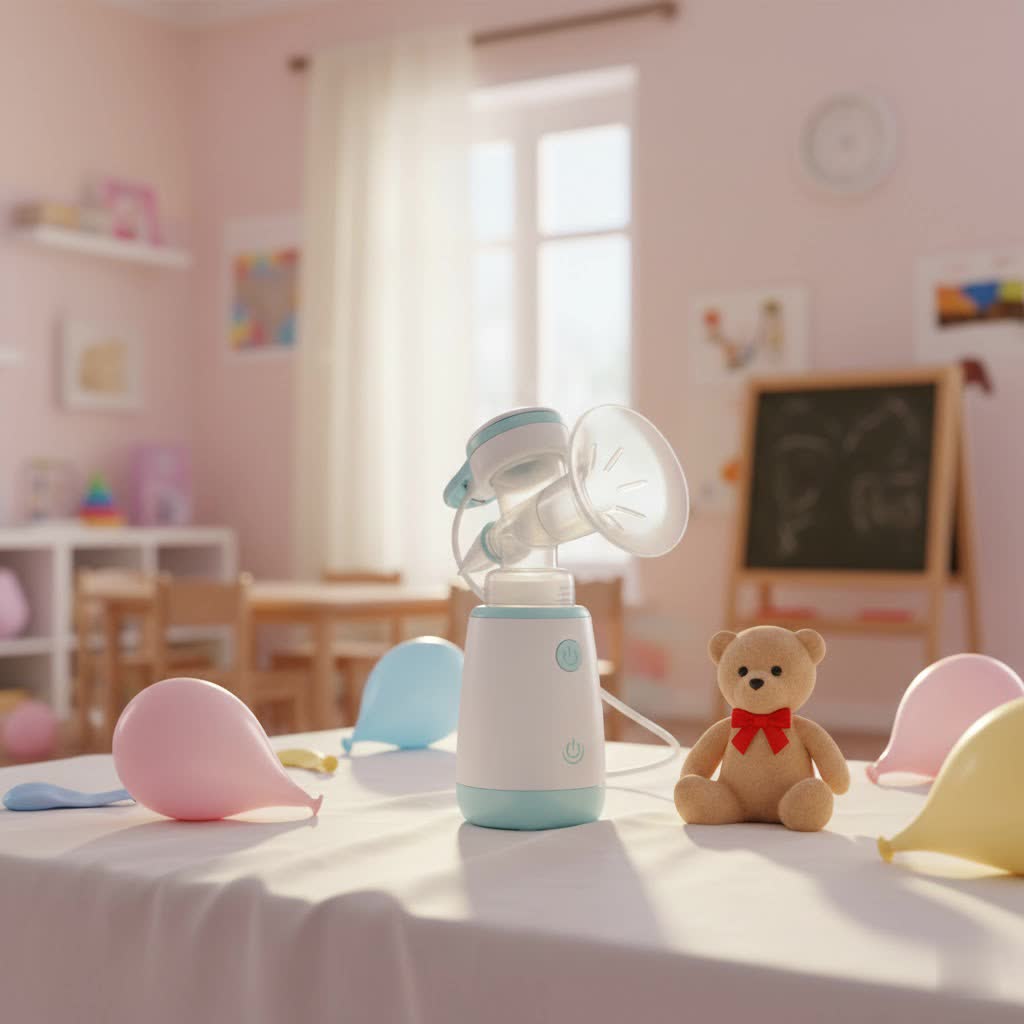
Becoming a new mother is a journey filled with joy, challenges, and countless decisions. Among these, choosing how to feed your baby is paramount, and for many, breastfeeding plays a vital role. A breast pump becomes an indispensable tool, offering flexibility and ensuring your baby receives the nourishment they need, even when you can’t be there. Fortunately, Blue Cross Blue Shield (BCBS), one of the largest health insurance providers in the United States, often steps in to support new and expectant mothers by covering the cost of breast pumps.
Understanding your insurance benefits can sometimes feel like navigating a maze, especially with the various BCBS plans available. This comprehensive guide aims to demystify BCBS breast pump coverage, outlining what types of pumps are typically covered, the simple steps to acquire one, and answering common questions to ensure you maximize your benefits. Let’s explore how BCBS can support your breastfeeding journey.
Understanding Your BCBS Breast Pump Coverage
Thanks to the Affordable Care Act (ACA), most non-grandfathered health insurance plans, including Blue Cross Blue Shield, are mandated to provide coverage for breastfeeding support, supplies, and counseling. This often means that new and expectant mothers can receive a breast pump at little to no out-of-pocket cost. This legislation recognizes the significant health benefits breastfeeding offers to both mother and child, making essential equipment like breast pumps more accessible.
While the ACA sets a general standard, the specifics of your BCBS breast pump coverage can vary. Factors such as your individual plan type, your state of residence, and whether your plan is a “grandfathered” plan (meaning it existed before the ACA and hasn’t made specific changes) can influence the extent of your benefits. Generally, BCBS plans typically cover one breast pump per pregnancy, ensuring that you have the necessary equipment for each new addition to your family. Most commonly, this coverage extends to double electric breast pumps, which are highly efficient for regular use.
Types of Breast Pumps Covered by BCBS
Blue Cross Blue Shield plans typically cover a range of breast pump types, catering to various needs and lifestyles. Understanding the distinctions between these pumps can help you choose the best option for your personal breastfeeding journey.
Manual Breast Pumps
Manual breast pumps are hand-operated devices that offer portability and control over suction strength. They are generally less expensive and often covered by insurance, making them a suitable choice for mothers who only need to pump occasionally or desire a backup for their primary electric pump. Their compact design makes them easy to carry for on-the-go pumping needs.
Electric Breast Pumps (Single and Double)
|
Our Picks for the Best Breast Pump in 2026
As an Amazon Associate I earn from qualifying purchases.
|
||
| Num | Product | Action |
|---|---|---|
| 1 | Momcozy M5 Smart APP Controlled Wearable Breast Pump, Hands-Free Wireless Electric Pump, 3 Modes 9 Suction Levels, BPA-Free, Portable Lightweight, 24mm Flange, 2-Pack Quill Gray |

|
| 2 | Paruu Hands Free Breast Pump P16, Wearable Breast Pump Electirc Portable with 4 Modes & 12 Levels, Max 309mmHg Strong Suction 19/21/24mm Flange Inserts Wearable Breastfeeding Pump, 2 Pack(Nude |
|
| 3 | Hands Free Breast Pump Wearable MY-375 - Strong Suction, Low Noise, Wearable Breastfeeding Pump with 4 Mode &12 Levels, Portable Electric Breast Pump 24mm - 19/21/Insert/Flange, 2 Pack (White) |
|
| 4 | Hands Free Breast Pump, Wearable Breastfeeding Pump with 4 Mode & 9 Level, Strong Suction, Painless, Anti-Backflow, BPA Free, Portable Electric Breast Pumps with 17/19/21/24MM Flanges |
|
| 5 | Momcozy Breast Pump V1 Pro Hospital-Grade, Hands-Free & Portable Wearable Pump, Upgraded Electric Pump with 3 Fine-Tuned Rhythms-15 Levels, Come with Leak-Proof DoubleFit Flange, Cozy Red. |
|
| 6 | Momcozy M5 Smart APP Controlled Wearable Breast Pump, Hands-Free Wireless Electric Pump, 3 Modes 9 Suction Levels, BPA-Free, Portable Lightweight, 24mm Flange, 2-Pack Cozy Red |
|
| 7 | NCVI Electric Breast Pump 8782, Portable Hospital-Grade Double Pump with 4 Modes & 9 Levels, Anti-Backflow, Rechargeable Quiet Breastfeeding Pump for Efficient Comfortable Use at Home, Work or Travel |
|
| 8 | Momcozy M5 Lite Hands-Free Wearable Breast Pump, DoubleFit Flange for Baby-Like Comfort, 3 Modes & 9 Suction Levels, No Flange Insert or Hard Carry Case, 24mm, 2-Pack, Cozy Red |
|
| 9 | Momcozy Wearable Breast Pump, Hands Free Upgraded Mobile Flow - M9, App Discreet Control with Personalized Multi-Modes & 15 Levels, Wearable Breast Pump 24mm, 2 Pack Cozy Red |
|
| 10 | Lulia Double Electric Breast Pump, Breastfeeding Pump 4 Modes & 9 Levels, Low Noise, Anti-Backflow & LED Display, BPA Free, Portable Breast Pumps with 24mm Flange |
|
Electric breast pumps are highly efficient and are ideal for mothers who need to pump frequently or maintain a consistent milk supply. They operate via a motor, providing automated suction. Most BCBS plans will cover electric breast pumps, with double electric models being the most commonly covered. Double electric pumps allow you to express milk from both breasts simultaneously, significantly reducing pumping time and often stimulating greater milk production. A prescription from your healthcare provider is typically required for these more advanced units.
Wearable Breast Pumps
Wearable breast pumps represent a modern advancement in pumping technology, offering hands-free convenience and discretion. These compact, battery-operated pumps fit inside your bra, allowing you to pump while working, caring for other children, or performing daily tasks. As their popularity grows, more BCBS plans are beginning to cover wearable options from brands like Momcozy, Elvie, and Willow. Coverage for these high-tech pumps can vary more, so it’s essential to verify with your specific plan.
Hospital-Grade Breast Pumps
Hospital-grade breast pumps are heavy-duty, multi-user pumps designed for durability and powerful suction, often used in hospital settings or for mothers with specific medical needs, such as those with premature babies or struggling with milk supply issues. These pumps are typically available for rent rather than purchase through insurance and are usually covered only when deemed medically necessary by a healthcare professional.
How to Get Your Breast Pump Through BCBS: A Step-by-Step Guide
Obtaining your breast pump through Blue Cross Blue Shield is often a straightforward process when you know the steps involved. By following this guide, you can ensure a smooth experience from verification to delivery.
Step 1: Verify Your Specific Plan Benefits
The first and most crucial step is to understand the precise details of your BCBS plan’s coverage. While most plans cover breast pumps, the exact benefits—such as covered brands, types of pumps, and any requirements—can vary. You can verify your benefits by:
- Contacting BCBS directly: Call the member services number on the back of your insurance ID card. A representative can outline your specific breast pump benefits.
- Checking your online member portal: Many BCBS plans offer an online portal where you can review your benefits, including details on durable medical equipment (DME) coverage.
Step 2: Obtain a Prescription
Most BCBS plans require a prescription from a healthcare provider to cover a breast pump. This prescription can typically be obtained from your OBGYN, midwife, or pediatrician. Your healthcare provider will confirm the medical necessity of the pump and provide the necessary documentation. It’s often recommended to get this prescription well before your due date to allow ample time for processing.
Step 3: Choose an In-Network Durable Medical Equipment (DME) Provider
Blue Cross Blue Shield plans usually require you to obtain your breast pump through an approved in-network Durable Medical Equipment (DME) provider. These specialized providers work directly with insurance companies to supply medical equipment. Popular DME providers that partner with BCBS often include Aeroflow Breastpumps, 1 Natural Way, Edgepark, Pumps for Mom, and Byram Healthcare. You can find a list of participating providers on your BCBS website or by calling member services.
Step 4: Select Your Breast Pump and Accessories
Once you’ve verified your coverage and have a prescription, your chosen DME provider will present you with a selection of breast pumps covered by your specific BCBS plan. This is where you can select the pump that best suits your needs, considering factors like pumping frequency, portability, and desired features. Be aware that while the pump itself is often fully covered, there might be options for upgraded pumps that require an out-of-pocket difference. Essential accessories like tubing, breast shields, valves, and storage containers are typically included in the coverage, but items like totes or cooler bags may not be.
Step 5: Submit Documentation and Receive Your Pump
After selecting your pump, the DME provider will handle the submission of all necessary documentation to BCBS, including your prescription and insurance information. They will manage the verification, approvals, and claims process on your behalf. Once approved, your breast pump will be shipped directly to your door, often at little to no cost, depending on your plan. This streamlined process aims to make acquiring your pump as stress-free as possible during a busy time.
Common Questions About BCBS Breast Pump Coverage
Understanding the nuances of your BCBS breast pump coverage can help you make informed decisions. Here are answers to some frequently asked questions:
What accessories are covered by BCBS?
Many BCBS plans cover essential breast pump accessories, including replacement parts such as tubing, breast shields (flanges), valves, membranes, and sometimes milk storage bottles or bags. However, coverage often excludes non-medical items like carrying totes, cooler bags, or extra bottles beyond what comes with the initial pump. It’s best to confirm specific accessory coverage with your plan or DME provider.
Can I get an upgraded breast pump through BCBS?
Yes, in many cases, you can apply the cost of a standard covered breast pump toward a pricier, upgraded model. You would then be responsible for paying the difference out-of-pocket. This option allows you to choose a pump with advanced features or from a specific brand that might not be fully covered otherwise. Always discuss this option with your DME provider and BCBS directly.
What if I already bought a breast pump? Can I get reimbursed?
Some BCBS plans offer a reimbursement option if you purchased a breast pump out-of-pocket before knowing your coverage. However, this varies significantly by plan. To inquire about reimbursement, you should contact your BCBS member services department, confirm eligibility, and follow their specific claim submission process, which typically involves providing receipts and a prescription.
Does BCBS cover lactation consultations?
Many Blue Cross Blue Shield plans, in addition to breast pump coverage, also cover lactation consultations. These services provide invaluable support for new mothers encountering breastfeeding challenges or needing guidance. Coverage for lactation services generally falls under preventative care benefits, but it’s always wise to verify the specifics of your plan regarding in-network consultants and any potential co-pays.
Is a prescription always required for a BCBS breast pump?
For most Blue Cross Blue Shield plans, a prescription from your healthcare provider is required to obtain a breast pump through your insurance benefits. This prescription confirms the medical necessity of the equipment. While some plans might have exceptions or different requirements based on state regulations or specific policies, it’s generally a mandatory step in the process.
Conclusion
The journey of motherhood is transformative, and Blue Cross Blue Shield is committed to supporting new mothers through their breastfeeding experience by providing coverage for essential breast pumps. Thanks to the Affordable Care Act, most BCBS members can access a breast pump with little to no out-of-pocket cost. While specific benefits vary by plan and state, the general pathway involves verifying your coverage, obtaining a prescription, and working with an in-network Durable Medical Equipment provider to select and receive your pump.
By understanding your benefits and following the outlined steps, you can confidently navigate the process of acquiring a breast pump, ensuring you have the tools needed to nourish your baby. Don’t hesitate to reach out to your BCBS plan or a trusted DME provider to begin your journey toward stress-free breast pump acquisition today. What steps will you take to secure your BCBS covered breast pump?
Get our weekly buyer guide
Practical specs, not advice. Unsubscribe anytime.
