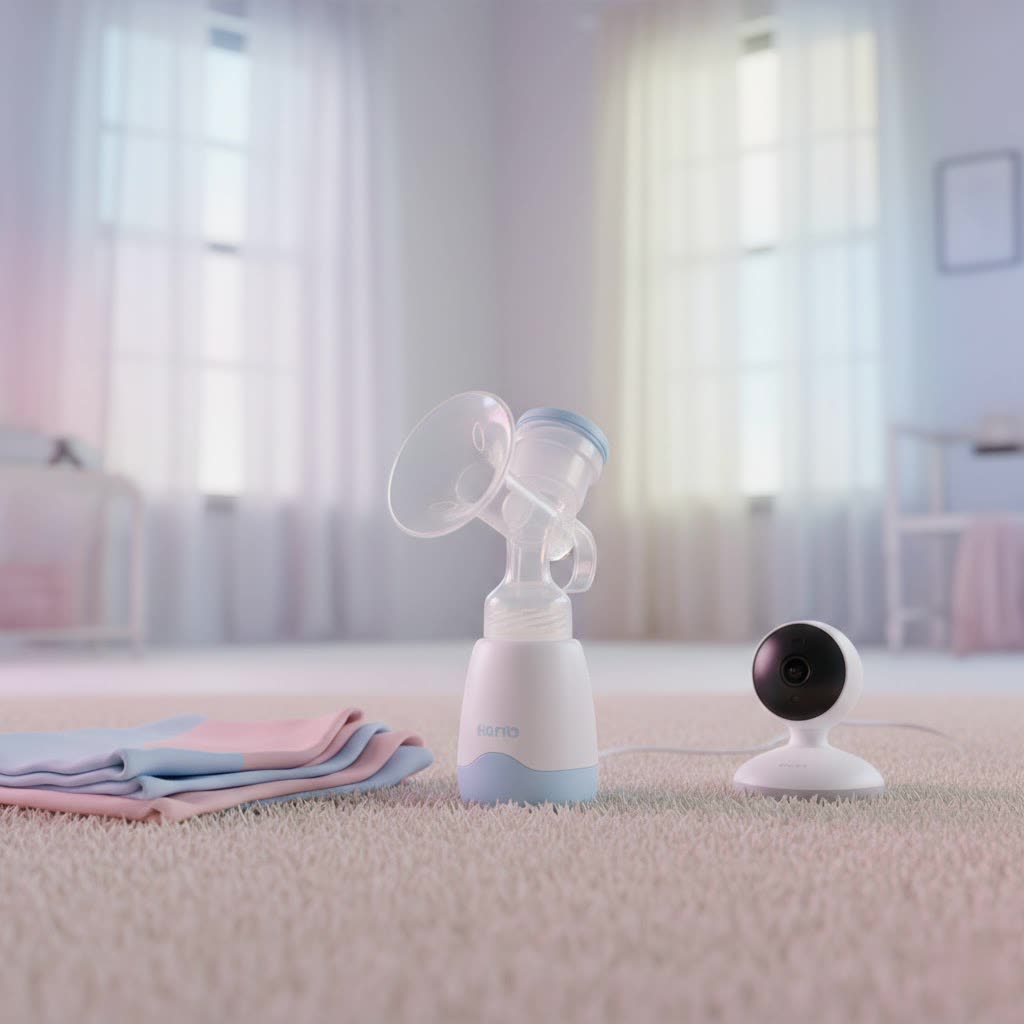
Bringing a new baby into the world is an incredibly special time, filled with joy, anticipation, and often, a flurry of preparations. For mothers planning to breastfeed, a breast pump can be an invaluable tool, providing flexibility, comfort, and support for their breastfeeding journey. The good news is that many expectant and new mothers can access a breast pump through Medicaid, often at little to no cost. While the process might seem complex due to state-specific variations, understanding your benefits can make securing this essential item much simpler. This guide will walk you through everything you need to know about obtaining a breast pump with Medicaid, from understanding coverage to choosing the right pump and navigating the process seamlessly.

Understanding Medicaid Breast Pump Coverage
Medicaid is a joint federal and state program that provides health coverage to millions of Americans, including low-income adults, children, pregnant women, elderly adults, and people with disabilities. When it comes to maternity and postpartum care, including breastfeeding support, Medicaid often plays a crucial role. For see our breast pump recommendations on this site.
It’s important to understand that while the Affordable Care Act (ACA) mandates that most private health insurance plans cover breastfeeding support and breast pumps at no cost, Medicaid operates under different guidelines. This means that while most state Medicaid plans do cover breast pumps, the exact terms, conditions, and types of pumps covered can vary significantly from one state to another, and even between different managed care organizations (MCOs) within the same state. Therefore, your first step should always be to contact your specific Medicaid provider to understand your unique benefits.
Is a Breast Pump Covered by Medicaid?
Generally, yes, most state Medicaid plans will cover the cost of a breast pump. This coverage is designed to support breastfeeding mothers and promote infant health. However, unlike private insurance plans that must adhere strictly to ACA mandates, Medicaid’s benefits for breast pumps may have more specific requirements or limitations depending on your state’s particular policies.
Why Medicaid Coverage Varies by State
The variability in Medicaid coverage stems from its federal-state partnership structure. Each state administers its own Medicaid program within federal guidelines, leading to differences in covered services, eligibility criteria, and the scope of benefits. For breast pumps, this can mean variations in:
- Types of pumps covered: Some states might primarily cover manual or standard electric pumps, while others may offer a wider range.
- Timing of acquisition: When you can obtain your pump (e.g., before or after delivery) can differ.
- Documentation required: Beyond a prescription, some states might ask for additional medical necessity documentation.
- Approved providers: Specific Durable Medical Equipment (DME) suppliers or pharmacies that accept Medicaid may vary.
Types of Breast Pumps Covered by Medicaid
Medicaid typically covers different types of breast pumps to suit various maternal needs. Understanding these options will help you choose the best fit for your breastfeeding goals.
Manual Breast Pumps
|
Our Picks for the Best Breast Pump in 2026
As an Amazon Associate I earn from qualifying purchases.
|
||
| Num | Product | Action |
|---|---|---|
| 1 | Momcozy Breast Pump V1 Pro Hospital-Grade, Hands-Free & Portable Wearable Pump, Upgraded Electric Pump with 3 Fine-Tuned Rhythms-15 Levels, Come with Leak-Proof DoubleFit Flange, Cozy Red. |

|
| 2 | Hands Free Breast Pump Wearable MY-375 - Strong Suction, Low Noise, Wearable Breastfeeding Pump with 4 Mode &12 Levels, Portable Electric Breast Pump 24mm - 19/21/Insert/Flange, 2 Pack (White) |
|
| 3 | Momcozy Wearable Breast Pump, Hands Free Upgraded Mobile Flow - M9, App Discreet Control with Personalized Multi-Modes & 15 Levels, Wearable Breast Pump 24mm, 2 Pack Cozy Red |
|
| 4 | Momcozy M5 Smart APP Controlled Wearable Breast Pump, Hands-Free Wireless Electric Pump, 3 Modes 9 Suction Levels, BPA-Free, Portable Lightweight, 24mm Flange, 2-Pack Cozy Red |
|
| 5 | Hands Free Breast Pump, Wearable Breastfeeding Pump with 4 Mode & 9 Level, Strong Suction, Painless, Anti-Backflow, BPA Free, Portable Electric Breast Pumps with 17/19/21/24MM Flanges |
|
| 6 | Momcozy M5 Lite Hands-Free Wearable Breast Pump, DoubleFit Flange for Baby-Like Comfort, 3 Modes & 9 Suction Levels, No Flange Insert or Hard Carry Case, 24mm, 2-Pack, Cozy Red |
|
| 7 | Lulia Double Electric Breast Pump, Breastfeeding Pump 4 Modes & 9 Levels, Low Noise, Anti-Backflow & LED Display, BPA Free, Portable Breast Pumps with 24mm Flange |
|
| 8 | NCVI Electric Breast Pump 8782, Portable Hospital-Grade Double Pump with 4 Modes & 9 Levels, Anti-Backflow, Rechargeable Quiet Breastfeeding Pump for Efficient Comfortable Use at Home, Work or Travel |
|
| 9 | Paruu Hands Free Breast Pump P16, Wearable Breast Pump Electirc Portable with 4 Modes & 12 Levels, Max 309mmHg Strong Suction 19/21/24mm Flange Inserts Wearable Breastfeeding Pump, 2 Pack(Nude |
|
| 10 | Momcozy M5 Smart APP Controlled Wearable Breast Pump, Hands-Free Wireless Electric Pump, 3 Modes 9 Suction Levels, BPA-Free, Portable Lightweight, 24mm Flange, 2-Pack Quill Gray |
|
Manual breast pumps are operated by hand and are often a cost-effective and portable option. They are ideal for occasional pumping, relieving engorgement, or for mothers who primarily breastfeed and only need to express milk periodically. They don’t require electricity, making them convenient for on-the-go use.
Electric Breast Pumps (Single and Double)
Electric breast pumps use a motor to create suction and express milk.
- Single Electric Breast Pumps: These pumps allow you to express milk from one breast at a time. They are suitable for mothers who pump occasionally or prefer a more relaxed pace.
- Double Electric Breast Pumps: These are the most commonly covered type of personal-use breast pump through Medicaid. They allow you to pump from both breasts simultaneously, significantly reducing pumping time and often helping to establish and maintain milk supply more effectively. They are highly recommended for mothers returning to work or school who need to pump regularly.
Hospital-Grade Breast Pumps
Hospital-grade breast pumps are powerful, multi-user pumps designed for mothers with specific medical needs, such as premature infants, establishing milk supply for infants in the NICU, or managing certain lactation challenges. These pumps are typically available for rent rather than purchase and almost always require a prescription and proof of medical necessity due to their specialized nature and higher cost. Medicaid coverage for hospital-grade pumps is less common for personal use and is usually contingent on very specific medical circumstances.
Accessories and Upgrade Fees
While the breast pump itself is often covered, it’s worth inquiring about accessories. Some Medicaid plans may also cover essential breast pump supplies like milk storage bags, collection bottles, and tubing. Additionally, if you desire a high-end pump that exceeds the standard coverage amount, some providers may offer it with an “upgrade fee,” which would be an out-of-pocket cost. However, some Medicaid plans and their DME partners might prohibit collecting upgrade fees, so it’s crucial to confirm this with your provider.
Eligibility Requirements for a Medicaid Breast Pump
To qualify for a breast pump through Medicaid, you generally need to meet several key criteria:
- Active Medicaid Coverage: You must be actively enrolled in a Medicaid plan. Coverage can begin during pregnancy and often extends postpartum.
- Prescription from a Healthcare Provider: This is a nearly universal requirement. Your doctor, midwife, or nurse practitioner will provide a prescription or order for a breast pump, often specifying the type needed. This ensures you receive the most appropriate pump for your individual health and breastfeeding plan.
- Timing of Acquisition: Many Medicaid policies require that you wait until after you’ve given birth to obtain your breast pump. However, some plans may allow you to order it within a certain window before your anticipated delivery date (e.g., within 2-4 weeks). If you need to pump immediately after birth and your pump hasn’t arrived, hospitals often provide temporary pumps for use during your stay.
- One Pump Per Pregnancy/Delivery: Most Medicaid plans cover one breast pump per pregnancy or delivery. In some cases, a replacement may be covered if the original pump is more than three years old and its warranty has expired, or if there’s documented malfunction or medical necessity.
- Potential Additional Documentation: In some instances, particularly if you need a specific type of pump or are returning to work or school, you might be asked to provide additional documentation verifying the need for a pump due to separation from your infant for extended periods.
How to Get Your Medicaid-Covered Breast Pump (Step-by-Step)
Navigating the process to get your breast pump can be straightforward if you follow these steps:
- Contact Your Medicaid Plan Directly: This is the most crucial first step. Call the member services number on your Medicaid insurance card. Ask about:
- What types of breast pumps are covered.
- When you are eligible to receive the pump (before or after delivery).
- If any specific documentation beyond a prescription is required.
- A list of approved Durable Medical Equipment (DME) suppliers or pharmacies that work with your plan.
- Obtain a Prescription: Schedule an appointment with your healthcare provider (OB/GYN, pediatrician, or family doctor) to get a prescription for a breast pump. Ensure the prescription includes any necessary details like the type of pump.
- Find a Durable Medical Equipment (DME) Supplier: Once you have your prescription and understand your plan’s approved vendors, choose a DME supplier. Many companies specialize in providing breast pumps through insurance, such as Aeroflow Breastpumps, 1 Natural Way, The Breastfeeding Shop, and Momcozy. These companies often streamline the process by verifying your coverage and handling the paperwork.
- Submit Paperwork: The DME supplier will typically handle submitting your prescription and other required forms to your Medicaid plan. You may need to provide your insurance card information and personal details.
- Receive Your Pump: Once your coverage is verified and approved, your chosen breast pump will usually be shipped directly to your home.
Top Breast Pump Brands Often Covered by Medicaid
Many reputable breast pump brands offer models that are frequently covered by Medicaid plans. While specific availability can depend on your state and DME supplier, some commonly covered brands include:
- Spectra: Known for quiet operation and comfortable, efficient pumping. Popular models like the Spectra S2 Plus are often covered.
- Medela: A well-established brand offering various pumps, including the Medela Pump In Style.
- Ameda: Provides user-friendly and reliable pumping solutions.
- Lansinoh: Offers a range of pumps designed for comfort and efficiency.
- Motif: Known for its quiet and effective pumps.
- Evenflo: Offers practical and affordable options.
- Momcozy: Provides popular wearable and hands-free options like the Momcozy S12, offering discretion and convenience for busy moms.
- Ardo: Focuses on gentle and effective milk expression.
- Baby Buddha: A compact, powerful, and portable option.
- Zomee: Offers user-friendly and comfortable breast pumps.
These brands often provide options ranging from traditional double electric pumps to portable and wearable designs, allowing you to find a pump that fits your lifestyle.
Using and Caring for Your Breast Pump Correctly
Proper use and maintenance of your breast pump are crucial for hygiene, efficiency, and longevity.
Lắp ráp máy hút sữa
- Assembly: Always refer to your pump’s instruction manual. Generally, you’ll connect the breast shields to the flanges, attach the valves and membranes, and then connect the collection bottles. Finally, attach the tubing to the pump motor.
- Adjusting Suction and Cycle: Most electric pumps have settings for suction strength and cycle speed (how many times per minute the pump draws). Start with a gentle suction and gradually increase it to a comfortable level that effectively expresses milk without causing pain. Many pumps also have a “let-down” or “massage” mode to stimulate milk flow before moving to expression mode.
Vệ sinh và tiệt trùng các bộ phận của máy
- Cleaning: After each use, disassemble all parts that come into contact with breast milk (flanges, valves, membranes, bottles, tubing if milk enters it). Wash these parts with warm soapy water and rinse thoroughly.
- Sterilization: It’s recommended to sterilize breast pump parts periodically, especially when the pump is new or for infants with compromised immune systems. This can be done by boiling, steaming, or using a sanitizing solution. Always check your pump’s manual for specific sterilization instructions.
- Drying: Allow all parts to air dry completely on a clean paper towel or drying rack before storing to prevent bacterial growth.
Bảo quản máy hút sữa
- Storage: Store dry pump parts in a clean, covered container or bag. Keep the pump motor clean and away from moisture.
- Tubing: If milk gets into the tubing, clean and dry it thoroughly, or replace it if recommended by the manufacturer, as moisture can lead to mold growth.
Các Vấn Đề Thường Gặp và Cách Khắc Phục
Even with the best pump, you might encounter some common issues.
- Máy hút sữa không hút hoặc hút yếu (Pump not suctioning or weak suction):
- Check Assembly: Ensure all parts are correctly assembled and tightly sealed. A loose connection or misplaced membrane can significantly reduce suction.
- Inspect Parts: Look for tears or damage in membranes, valves, or tubing. Even tiny tears can affect suction. Replace damaged parts as needed.
- Tubing Issues: Ensure tubing is not crimped, bent, or filled with moisture.
- Power Source: For electric pumps, check the power adapter or battery level.
- Máy hút sữa gây đau (Pump causes pain):
- Flange Size: The most common cause of pain is an incorrect breast shield (flange) size. The nipple should move freely within the tunnel without significant rubbing. If too small, it can pinch; if too large, too much areola might be pulled in, causing discomfort. Consult a lactation consultant for help finding the correct size.
- Suction Level: The suction level might be too high. Reduce it to a comfortable setting that still effectively expresses milk. Pumping should never be painful.
- Positioning: Ensure your breast is properly centered in the flange.
- Máy hút sữa bị rò rỉ (Pump is leaking):
- Bottle Connection: Make sure collection bottles are securely attached to the flanges.
- Valve/Membrane: Check that the valves and membranes are properly seated and undamaged.
- Overfilling: Avoid overfilling bottles, especially if you’re using larger bottles than those that came with your pump.
If you continue to experience issues, refer to your pump’s troubleshooting guide or contact the manufacturer’s customer support.
What if Medicaid Doesn’t Cover Your Preferred Pump?
While Medicaid generally offers robust coverage, there might be instances where your specific plan doesn’t cover the exact pump you want or if you face eligibility challenges. Don’t despair, there are other avenues for support:
- WIC (Women, Infants, and Children) Program: The WIC program provides federal grants to states for supplemental foods, healthcare referrals, and nutrition education for low-income pregnant, breastfeeding, and non-breastfeeding postpartum women, and to infants and children up to age five who are found to be at nutritional risk. WIC often has breast pump programs, offering manual or electric pumps, and also provides valuable breastfeeding education and peer counseling. If Medicaid doesn’t cover your pump, contact your local WIC office to see if you qualify.
- Hospital Rental Programs: Many hospitals offer rental programs for hospital-grade breast pumps, particularly for mothers with specific medical needs or those needing a temporary solution immediately after birth.
- Non-Profit Organizations and Community Resources: Some local non-profits or breastfeeding support groups may offer assistance or provide access to pumps for mothers in need.
- Direct Purchase: If all other options are exhausted, consider purchasing a pump directly. There are many affordable and effective manual and electric pumps available on the market.
Conclusion
Securing a breast pump through Medicaid is a valuable benefit that can significantly support your breastfeeding journey. While Medicaid coverage for breast pumps is generally available, the specifics are highly dependent on your state and individual plan. The key to a smooth process lies in proactive communication: contacting your Medicaid provider, obtaining a prescription from your healthcare provider, and working with an approved DME supplier.
Remember, you are your best advocate. Don’t hesitate to ask questions, clarify benefits, and explore all available resources, including WIC, to ensure you have the tools and support you need to reach your breastfeeding goals. With the right information and a little persistence, you can confidently navigate the process and equip yourself for a successful and fulfilling breastfeeding experience.
Frequently Asked Questions
Can I get a new breast pump for each pregnancy through Medicaid?
Yes, in many states, Medicaid members are eligible for a new breast pump with each pregnancy. This policy acknowledges that pumps are personal-use items and ensures mothers have access to functioning equipment for each new breastfeeding journey. However, always confirm this with your specific Medicaid plan, as policies can vary.
Does Medicaid cover breast pump accessories like storage bags or bottles?
Coverage for breast pump accessories, such as milk storage bags, collection bottles, and replacement parts, varies by state and plan. Some Medicaid plans may include these items as part of their breastfeeding support benefits, while others may not. It’s best to check with your Medicaid provider directly to understand what accessories are covered.
When should I order my breast pump with Medicaid?
Most Medicaid policies require mothers to wait until after childbirth to obtain a breast pump. However, some plans may allow you to order it closer to your due date, often within 2-4 weeks prior. It’s crucial to contact your specific Medicaid plan to confirm the earliest you can request your pump to avoid any delays.
What if my Medicaid-covered breast pump breaks or malfunctions?
If your breast pump breaks or malfunctions, contact the Durable Medical Equipment (DME) supplier you received it from, or the pump manufacturer, to inquire about warranty and replacement options. Medicaid may cover a replacement pump if it’s over three years old and its warranty has expired, but this is also state-dependent.
Can I get a wearable or hands-free breast pump through Medicaid?
Yes, many modern electric breast pumps, including some portable, hands-free, and wearable models, are increasingly covered by Medicaid plans. Brands like Momcozy offer wearable options that are often eligible for coverage. To find out if your preferred wearable pump is covered, consult with a DME supplier that partners with your Medicaid plan.
Get our weekly buyer guide
Practical specs, not advice. Unsubscribe anytime.

I was so overwhelmed trying to figure out how to get a breast pump through Medicaid. This guide really broke down the state-specific variations in coverage, which was super helpful. I live in Texas and the information here made it much clearer what steps I needed to take. I ended up getting a great pump with no out-of-pocket cost, which is a huge relief for a new mom on a budget.
While the information on understanding benefits was good, I found the part about navigating the process seamlessly a bit optimistic. My experience with my state’s specific Medicaid office was still pretty confusing, even with this guide. It did help me ask the right questions though, so it wasn’t a total loss. Just wish it was truly as seamless as it sounded.
This was a lifesaver! I had no idea where to start with getting a pump covered. The section on choosing the right pump was particularly useful, as there are so many options out there. It helped me narrow down my choices based on what Medicaid typically covers. I’m so glad I found this before I just bought one outright.
As a second-time mom, I knew I wanted a pump, but my insurance changed. This guide on Medicaid coverage was exactly what I needed. It clarified that many expectant mothers can access a pump at little to no cost, which was a huge relief. I was able to get a high-quality pump without any financial stress, making my breastfeeding journey so much easier this time around.