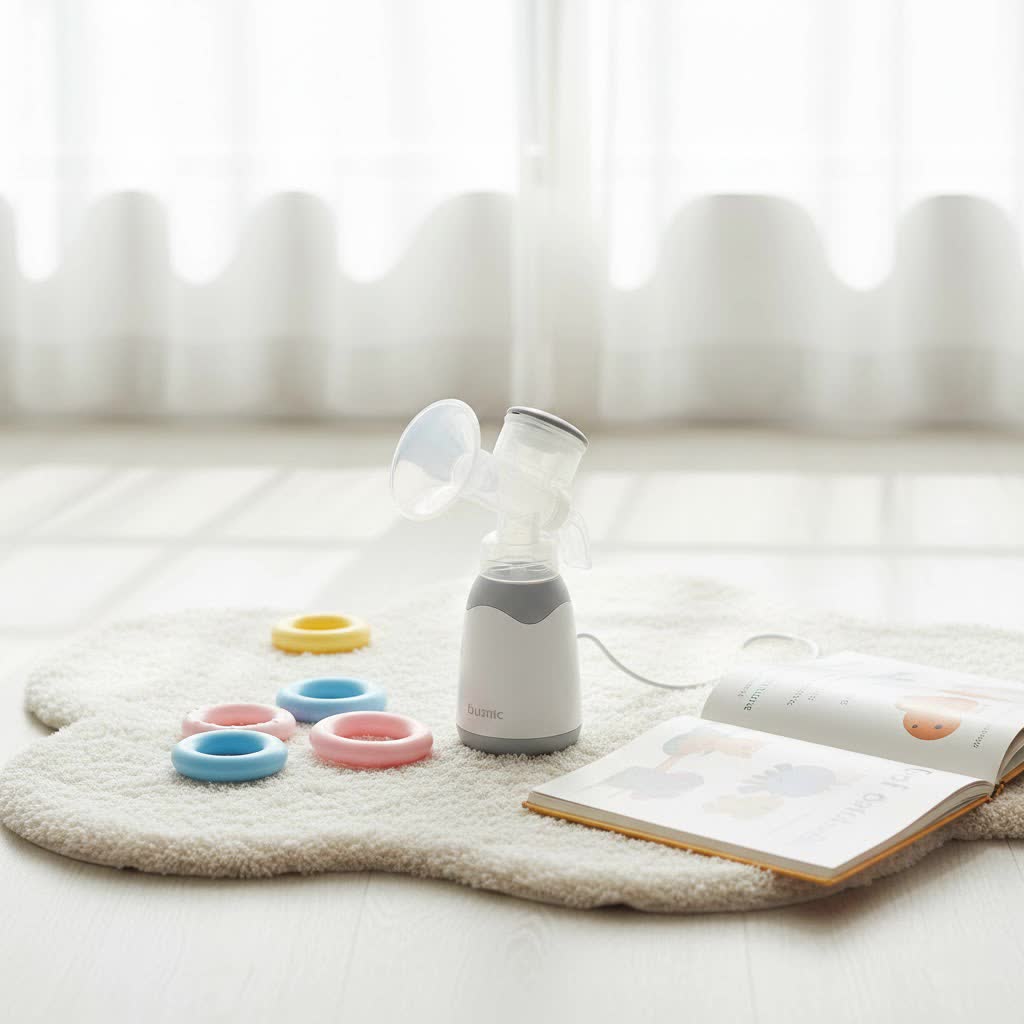
Navigating the world of breastfeeding and pumping can feel overwhelming, especially when trying to find tools that seamlessly integrate into your busy life. For many mothers, the traditional electric breast pump might seem like the only option, but a manual breast pump often emerges as a quiet hero. These hand-operated devices offer unparalleled portability, discretion, and control, making them an indispensable companion for occasional milk expression, travel, or quick relief from engorgement. If you’re seeking a simple, effective, and budget-friendly solution to support your breastfeeding journey, understanding the best manual breast pumps available can make all the difference in finding your perfect fit.
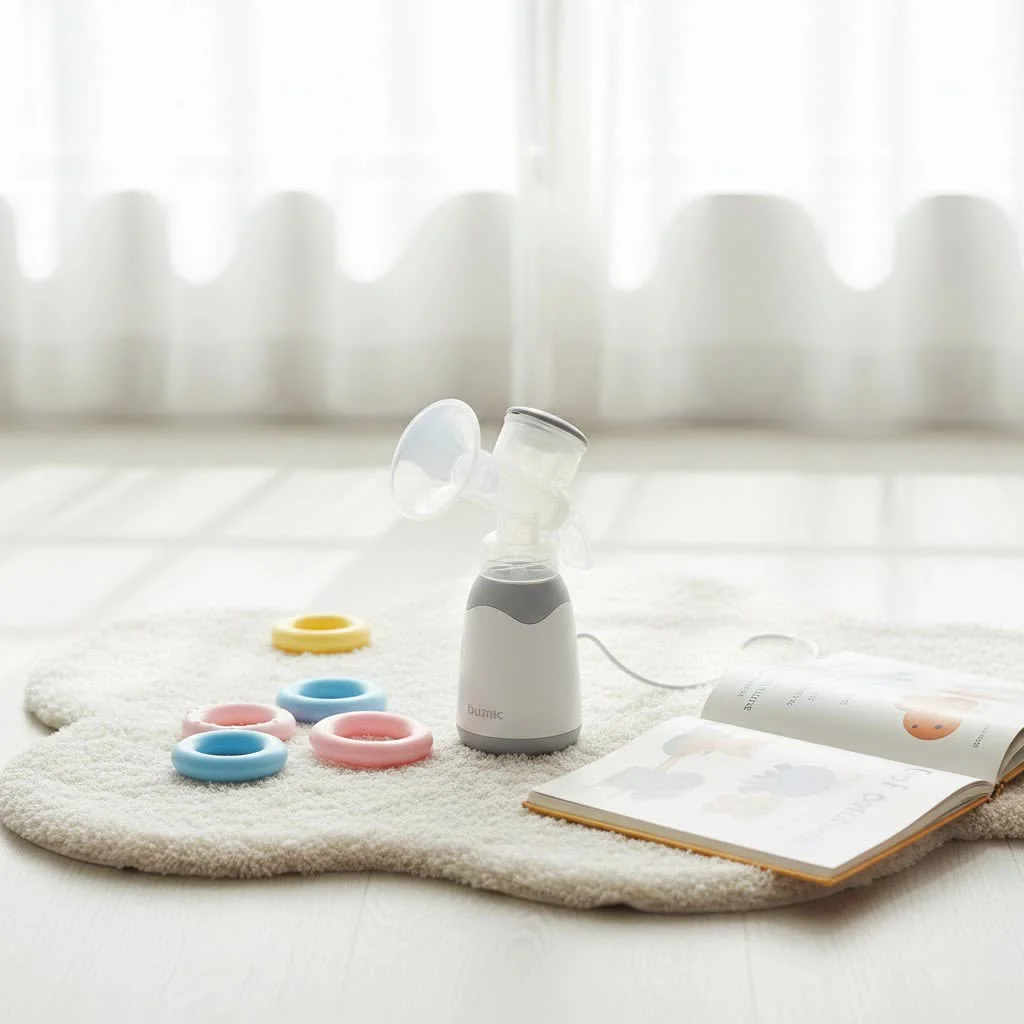
Understanding the Different Types of Manual Breast Pumps
Manual breast pumps offer a straightforward approach to milk expression, relying on your hand rather than electricity. While they all share the commonality of manual operation, they come in a few distinct designs, each suited for different needs.
The most common type features a handle that you squeeze and release to create suction, drawing milk into a collection bottle. These models, like the Medela Harmony or Lansinoh Manual Pump, typically include a breast shield and a valve system, offering a more active pumping experience. They often feature multiple phases or suction levels to mimic a baby’s natural feeding rhythm.
Another popular category is the silicone breast pump, exemplified by the Haakaa. These are usually one-piece, soft silicone devices that attach to the breast using gentle suction and passively collect milk, often while you’re nursing on the other side. They are renowned for their simplicity and hands-free convenience, primarily functioning as milk collectors rather than active pumps.
Lastly, wearable manual pumps, such as the Elvie Curve or Boon Trove, combine the discretion of wearable electric pumps with the manual operation of silicone collectors. Designed to fit inside your bra, they offer hands-free milk collection with adjustable suction, ideal for busy moms who need to move around while expressing.
Detailed Comparison of Manual Breast Pumps
Choosing the best manual breast pump means weighing various factors against your personal needs. Here’s a breakdown comparing popular types based on key attributes:
| Feature | Lever-Style Manual Pump (e.g., Medela Harmony, Lansinoh) | Silicone Manual Pump (e.g., Haakaa) | Wearable Manual Pump (e.g., Elvie Curve, Boon Trove) |
|---|---|---|---|
| Pros | – More active milk expression – Often includes 2-phase technology – Better for established supply or targeted pumping – Good control over suction |
– Hands-free, passive collection – Ideal for catching letdown – Very affordable – Easy to clean (one-piece) – Silent operation |
– Discreet, fits in bra – Hands-free collection – Adjustable, gentle suction – Spill-proof designs – Compact for travel |
| Cons | – Requires continuous hand action (can cause fatigue) – Single-sided pumping – More parts to clean than silicone types – Can be less discreet than wearable models |
– Primarily for passive collection; less active expression – Can be kicked off by baby – No sealable storage option – One-size-fits-some flange |
– Less effective for active pumping – Can be noticeable under clothing – May have lower capacity – Transferring milk can be tricky |
| Price Range | $$ – $$$ | $ | $$ – $$$ |
| Noise Level | Low to minimal (slight squeak possible) | Silent | Silent |
| Portability | Excellent (lightweight, compact) | Excellent (lightweight, fits in any bag) | Excellent (in-bra, no cords) |
| Best For | Occasional pumping, travel, engorgement relief, boosting supply on one side | Catching letdown, relieving engorgement, building a passive stash | Discreet, hands-free milk collection on the go or while nursing |
Lever-style pumps offer active expression and greater control, while silicone pumps excel at passive collection. Wearable manual pumps provide discretion and hands-free convenience, ideal for multitasking.
How to Choose the Right Manual Breast Pump for You
Selecting the best manual breast pump depends largely on your individual breastfeeding goals, lifestyle, and preferences. Consider these factors to ensure you pick a pump that truly meets your needs.
First, determine your primary need for pumping. Are you looking for a tool for occasional relief from engorgement, a portable option for travel, or a way to collect extra milk while nursing? If you plan to pump frequently or exclusively, a manual pump might lead to hand fatigue, making an electric pump a more suitable primary option, with a manual as a helpful backup. For simply catching letdown, a silicone collector is often sufficient.
Your budget is another crucial consideration. Manual pumps are generally more affordable than electric models, making them an accessible choice for many families. However, prices vary among brands and types, with basic silicone pumps being the most economical.
Comfort and fit are paramount. A pump should never cause pain. Look for models that offer various flange sizes or flexible silicone shields that adapt to your breast shape. The handle design on lever-style pumps should be ergonomic to prevent hand strain. A comfortable grip and easy action are key, as a stiff handle can quickly tire your hands.
Ease of cleaning and assembly significantly impacts the user experience. Pumps with fewer parts and dishwasher-safe components can save valuable time. Consider if the pump has a cap or cover for hygiene when stored in a bag.
Finally, read reviews from other mothers. Real-life experiences can provide invaluable insights into a pump’s effectiveness, comfort, and durability in various situations. Consulting with a lactation consultant can also help ensure you choose a pump with the correct flange size and technique for your body.
Top Manual Breast Pumps Loved by Moms
When it comes to highly-rated manual breast pumps, several models consistently earn praise for their performance, comfort, and user-friendliness.
The Medela Harmony Manual Breast Pump is a classic choice, often cited as a top pick for its lightweight and compact design, making it excellent for portability. It features Medela’s “two-phase” expression technology, mimicking a baby’s natural sucking patterns with both stimulation and expression modes, which many moms find highly effective for efficient milk flow. Its ergonomic handle and PersonalFit Flex™ flange are designed for comfort, accommodating various breast shapes and sizes. While some find it has more parts to clean than simpler options, its dishwasher-safe components make maintenance manageable.
For unparalleled comfort, the Lansinoh Manual Breast Pump is a favorite. It comes with two soft, flexible ComfortFit flanges (25mm and 30.5mm) and offers two modes for gentle yet effective pumping. A significant advantage is its ability to pump directly into Lansinoh milk storage bags, streamlining the process. Moms appreciate its quiet operation and ease of assembly, making it ideal for quick relief on the go.
The Haakaa Silicone Breast Pump stands out as a best-seller, particularly for its passive milk collection. This one-piece, BPA-free silicone device uses natural suction to collect letdown, often while nursing on the other side, and is praised by lactation consultants for relieving engorgement and clogged ducts. It’s incredibly affordable, silent, and easy to clean. However, it’s primarily a collector rather than an active pump and may not maintain suction if not positioned correctly.
The Elvie Curve Manual Breast Pump offers a discreet, wearable solution. This soft, BPA-free silicone pump fits comfortably inside your bra, collecting milk with gentle, adjustable suction. It’s perfect for hands-free milk collection while multitasking or simply relaxing, making it a favorite among busy nursing moms. Its minimal, dishwasher-safe parts ensure easy cleaning, although some users find transferring milk slightly tricky.
Finally, the Philips Avent Manual Breast Pump is celebrated for its natural motion technology and comfortable design, allowing mothers to pump in an upright, relaxed position. Its soft, textured massage cushion helps stimulate milk flow, and its few parts ensure quick assembly and cleaning. Compatible with Philips Avent bottles, it’s a convenient option, especially for travel.
“A manual pump can be your secret weapon for those unexpected moments—whether it’s sudden engorgement, a quick trip, or just wanting to catch every precious drop.” – Ashley Blankenship, Breastfeeding Counselor
How to Use and Clean Your Manual Breast Pump Correctly
Proper use and cleaning are essential for the effectiveness and hygiene of your manual breast pump.
Using Your Manual Breast Pump
|
Our Picks for the Best Breast Pump in 2026
As an Amazon Associate I earn from qualifying purchases.
|
||
| Num | Product | Action |
|---|---|---|
| 1 | Paruu Hands Free Breast Pump P16, Wearable Breast Pump Electirc Portable with 4 Modes & 12 Levels, Max 309mmHg Strong Suction 19/21/24mm Flange Inserts Wearable Breastfeeding Pump, 2 Pack(Nude |

|
| 2 | Momcozy Breast Pump V1 Pro Hospital-Grade, Hands-Free & Portable Wearable Pump, Upgraded Electric Pump with 3 Fine-Tuned Rhythms-15 Levels, Come with Leak-Proof DoubleFit Flange, Cozy Red. |
|
| 3 | Momcozy Wearable Breast Pump, Hands Free Upgraded Mobile Flow - M9, App Discreet Control with Personalized Multi-Modes & 15 Levels, Wearable Breast Pump 24mm, 2 Pack Cozy Red |
|
| 4 | Momcozy M5 Smart APP Controlled Wearable Breast Pump, Hands-Free Wireless Electric Pump, 3 Modes 9 Suction Levels, BPA-Free, Portable Lightweight, 24mm Flange, 2-Pack Cozy Red |
|
| 5 | Hands Free Breast Pump Wearable MY-375 - Strong Suction, Low Noise, Wearable Breastfeeding Pump with 4 Mode &12 Levels, Portable Electric Breast Pump 24mm - 19/21/Insert/Flange, 2 Pack (White) |
|
| 6 | Momcozy M5 Lite Hands-Free Wearable Breast Pump, DoubleFit Flange for Baby-Like Comfort, 3 Modes & 9 Suction Levels, No Flange Insert or Hard Carry Case, 24mm, 2-Pack, Cozy Red |
|
| 7 | Momcozy M5 Smart APP Controlled Wearable Breast Pump, Hands-Free Wireless Electric Pump, 3 Modes 9 Suction Levels, BPA-Free, Portable Lightweight, 24mm Flange, 2-Pack Quill Gray |
|
| 8 | Lulia Double Electric Breast Pump, Breastfeeding Pump 4 Modes & 9 Levels, Low Noise, Anti-Backflow & LED Display, BPA Free, Portable Breast Pumps with 24mm Flange |
|
| 9 | Hands Free Breast Pump, Wearable Breastfeeding Pump with 4 Mode & 9 Level, Strong Suction, Painless, Anti-Backflow, BPA Free, Portable Electric Breast Pumps with 17/19/21/24MM Flanges |
|
| 10 | NCVI Electric Breast Pump 8782, Portable Hospital-Grade Double Pump with 4 Modes & 9 Levels, Anti-Backflow, Rechargeable Quiet Breastfeeding Pump for Efficient Comfortable Use at Home, Work or Travel |
|
Before each use, wash your hands thoroughly. Assemble the pump according to the manufacturer’s instructions. Ensure the breast shield forms a good seal around your breast without pinching or discomfort. If your pump has different modes, start with the stimulation mode (quicker, lighter suction) to encourage letdown, then switch to expression mode (slower, deeper suction) once milk begins to flow.
With lever-style pumps, squeeze the handle rhythmically to create suction and release it to allow milk to flow. Adjust the speed and pressure to find a comfortable rhythm that mimics your baby’s natural sucking. If you’re using a silicone collector like the Haakaa, simply squeeze the bulb, attach it to your breast, and release to create suction, letting it passively collect milk. For single pumps, to switch breasts when milk flow slows to ensure thorough emptying. Aim for about 10-15 minutes per breast, or until milk flow significantly decreases.
Cleaning and Sterilizing Your Manual Breast Pump
After each pumping session, disassemble all parts that come into contact with breast milk. Rinse them under cool running water to remove any milk residue. Then, wash each piece with warm, soapy water using a dedicated brush. The Centers for Disease Control and Prevention (CDC) recommends letting parts air dry thoroughly on a clean paper towel or drying rack to prevent bacterial growth.
For sterilization, many manual pump parts are dishwasher-safe (top rack recommended). Alternatively, you can boil the parts in water for five minutes, or use a bottle sterilizer. Always consult your pump’s user manual for specific cleaning and sterilization guidelines, as methods can vary by material and design. Regular, thorough cleaning is crucial to maintain hygiene and extend the life of your breast pump.
Common Issues with Manual Breast Pumps and Their Solutions
While manual breast pumps are generally straightforward, you might encounter a few common challenges. Here are some issues and how to address them:
- Weak or Lost Suction: This is often due to an improper seal between the flange and your breast, or worn-out parts like the diaphragm or valve. Ensure the flange is correctly centered and creating a tight seal. Check all parts for cracks or tears, and replace them if necessary. For silicone pumps, re-squeeze and re-attach to reinforce suction.
- Discomfort or Pain: Pumping should not be painful. Discomfort can stem from an ill-fitting flange size. Your nipple should move freely in the flange tunnel without rubbing or pain. If your current flange is too small or too large, consider purchasing alternative sizes. Also, review your pumping technique; excessive suction or a too-rapid rhythm can cause soreness.
- Hand Fatigue: Manual pumps require physical effort, and prolonged or frequent use can tire your hands. If this is a persistent issue, try alternating hands or taking short breaks. For mothers who need to pump often, investing in a double electric pump as a primary device and reserving the manual pump for occasional use might be a better solution.
- Low Milk Output: While manual pumps can be effective, they might yield less milk than electric pumps for some individuals. Ensure you are using a proper technique, including two-phase pumping if available. Hydration, relaxation, and proper flange fit are all vital for optimal milk expression. If concerns about milk supply persist, consult a lactation consultant.
- Squeaking Noises: Some manual pumps, particularly lever-style models, might develop a slight squeak over time. While often harmless, it can be annoying. Cleaning and ensuring all parts are correctly assembled can sometimes reduce the noise. If it bothers you significantly, consider a different model known for silent operation.
Where to Purchase Reliable Manual Breast Pumps
Finding a reputable place to purchase your manual breast pump ensures you get a safe, high-quality product.
Most major retailers specializing in baby products will carry a selection of manual breast pumps. Stores like Babies “R” Us, Buybuy Baby, and even larger department stores often have dedicated sections for feeding and nursing supplies. These stores allow you to physically see and handle the pumps, which can be helpful for assessing comfort and size.
Online marketplaces such as Amazon, Target, and Walmart offer a vast array of manual breast pumps from various brands, often at competitive prices. Shopping online provides the convenience of reading numerous customer reviews and comparisons before making a decision. Ensure you purchase from official brand stores or authorized sellers to guarantee authenticity and warranty coverage.
Consider checking pharmacies or medical supply stores, as they sometimes stock a limited selection of breast pumps and may offer expert advice. Always verify the seller’s return policy, especially for breast pumps, in case the chosen model doesn’t meet your expectations or fit your needs. Choosing a trusted source ensures you receive a product that is safe, effective, and backed by customer support.
Conclusion
Choosing the best manual breast pump is a personal decision that can significantly enhance your breastfeeding experience. Whether you prioritize portability for travel, silent operation for discretion, or an affordable backup for occasional relief, a manual breast pump offers a unique blend of control and convenience. By understanding the different types, comparing features, and considering your individual needs for comfort and efficiency, you can confidently select a pump that supports your journey without being tethered to an outlet. What features are most important to you in a manual breast pump?
Frequently Asked Questions
Are manual breast pumps effective for increasing milk supply?
Manual breast pumps can effectively stimulate milk letdown and empty breasts, which are crucial for maintaining and signaling your body to produce more milk. While not typically recommended as a primary tool for significantly increasing supply for exclusive pumping, they are excellent for emptying breasts after nursing or addressing engorgement.
Can I use a manual breast pump every day?
Yes, you can use a manual breast pump daily. Many mothers use them regularly for occasional pumping, catching letdown, or when away from an electric pump. However, for exclusive or frequent, high-volume pumping, the manual effort can be tiring, and an electric pump might be more efficient.
What is the ideal flange size for a manual breast pump?
The ideal flange size allows your nipple to move freely within the tunnel without rubbing or pain. To determine your size, measure the diameter of your nipple at its base and choose a flange that is 1-2mm larger. A lactation consultant can also help you find the perfect fit for optimal comfort and milk expression.
Are manual breast pumps quieter than electric pumps?
Yes, one of the significant advantages of manual breast pumps is their quiet operation. Unlike electric pumps with motors, manual pumps are virtually silent, making them ideal for discreet pumping in public, at work, or next to a sleeping baby. Some lever-style pumps might produce a slight squeak, but it’s generally minimal.
How often should I clean my manual breast pump?
It is recommended to clean all parts of your manual breast pump that come into contact with breast milk after each use. This involves disassembling, rinsing, washing with warm, soapy water, and air drying. Sterilization (boiling or using a sterilizer) is also recommended regularly according to manufacturer guidelines for optimal hygiene.
Get our weekly buyer guide
Practical specs, not advice. Unsubscribe anytime.
