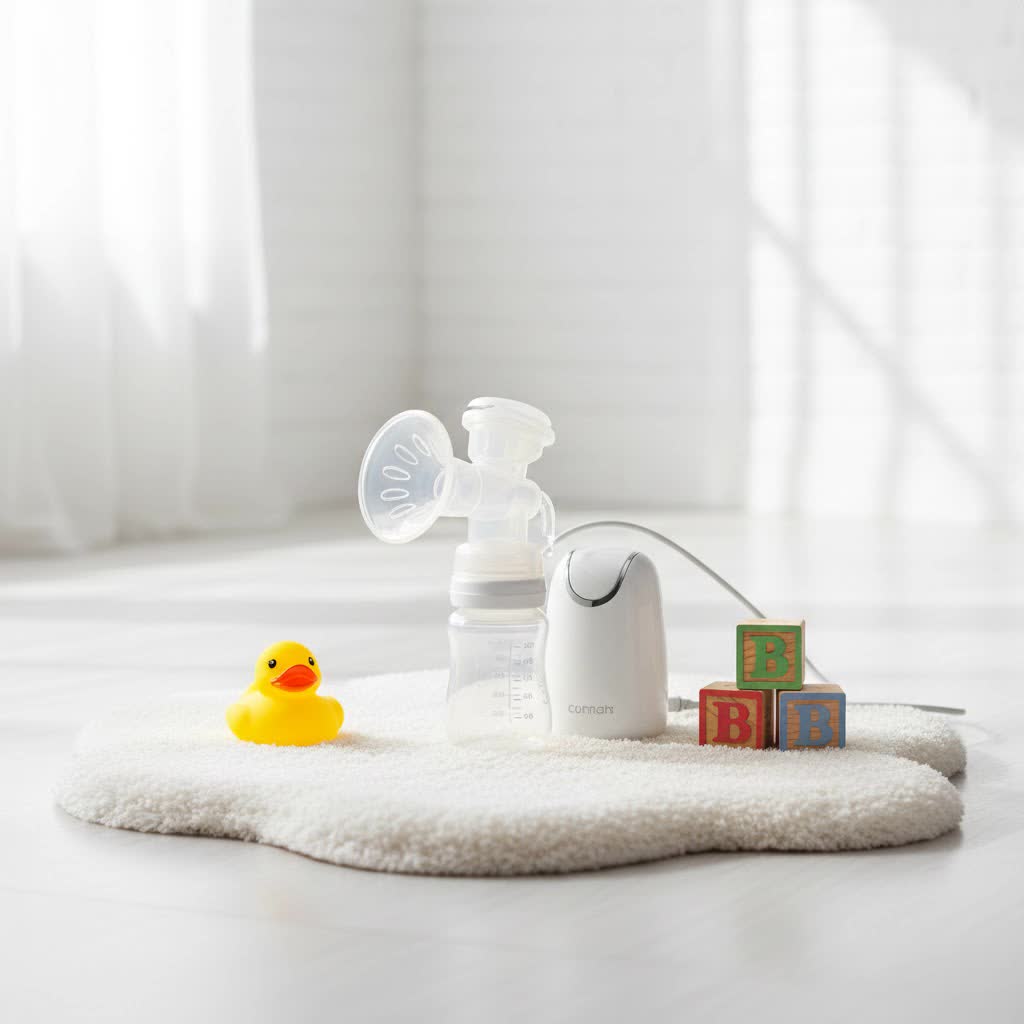
Parenthood often feels like a constant juggle, especially when you’re a breastfeeding mother trying to balance daily tasks with pumping sessions. The traditional breast pump, while effective, often tethers you to an outlet, limiting your freedom and making multitasking a challenge. This is where the innovation of wireless breast pumps truly shines, offering unparalleled flexibility and discretion for mothers on the go. Designed to fit seamlessly into your lifestyle, these devices empower you to express milk anytime, anywhere, transforming your pumping experience from a chore into an integrated part of your day.
Understanding Wireless Breast Pumps
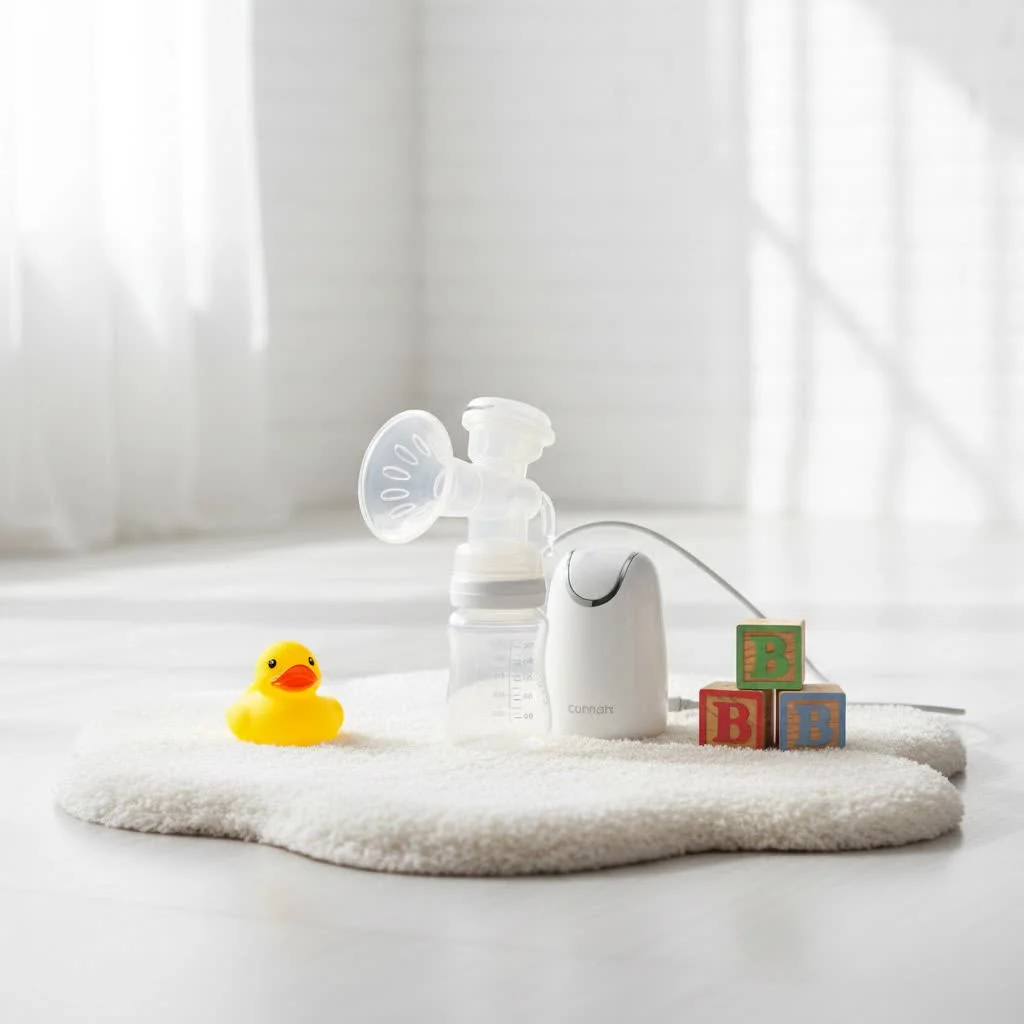
Wireless breast pumps, often referred to as wearable or hands-free pumps, are a revolutionary advancement in breastfeeding technology. Unlike their traditional counterparts, these devices are designed to be compact, self-contained units that fit directly inside your bra. They operate using small, discreet motors and rechargeable batteries, eliminating the need for cords, tubes, or external power sources during use. For breast pump buying guides on this site.
The core technology behind a wireless breast pump mimics a baby’s natural suckling rhythm, employing advanced suction patterns to stimulate milk let-down and efficient expression. Users can typically control settings like suction strength and cycle speed via built-in buttons on the device or through a connected smartphone app, allowing for a personalized and optimized pumping experience. Milk is collected directly into integrated cups within the pump, which can then be easily detached and poured into storage bottles or bags. This ingenious design allows mothers to move freely, whether they’re working, caring for other children, or simply enjoying a quiet moment, all while discreetly expressing milk.
Types and Features of Wireless Breast Pumps
While the overarching concept of a “wireless breast pump” emphasizes freedom, these devices come with various designs and features to suit individual needs. Some models are entirely self-contained within each cup, offering maximum discretion, while others feature a small external motor connected to collection cups by short tubing, which can be clipped to clothing. Most are designed for double pumping, allowing you to express from both breasts simultaneously, saving valuable time.
Key features to consider when exploring wireless breast pumps include:
- Suction Strength and Modes: Look for pumps that offer adjustable suction levels and multiple expression modes (stimulation and expression phases) to mimic your baby’s feeding patterns and optimize milk output. Some pumps boast “hospital-grade” suction in a wearable form, while others prioritize gentleness.
- Battery Life: Since portability is a primary benefit, a long-lasting rechargeable battery is crucial. Most models offer several pumping sessions on a single charge, but checking the specific battery life and charging time is essential for your routine.
- Noise Level: A significant advantage of many wireless pumps is their quiet operation, often described as “whisper-quiet.” This allows for discreet pumping in public or professional settings without drawing unwanted attention.
- Milk Capacity: Collection cup sizes vary, typically ranging from 4 to 8 ounces per side. Consider your usual milk output to ensure the pump can accommodate a full session without overflow.
- Comfort and Flange Sizing: Proper flange fit is paramount for comfortable and efficient pumping. Wireless pumps come with various flange sizes, and many brands offer additional inserts to ensure a snug, effective fit. Soft silicone flanges can also enhance comfort.
- Smart Features and Connectivity: Many modern wireless breast pumps integrate with smartphone apps. These apps often allow for remote control of the pump, tracking of pumping sessions (duration, volume), battery monitoring, and personalized insights into your breastfeeding journey.
- Ease of Cleaning and Assembly: Simplicity in design translates to fewer parts to wash and assemble, which is a major time-saver for busy moms. Look for pumps with dishwasher-safe components and straightforward assembly instructions.
Pros and Cons of Wireless Breast Pumps
Like any pumping solution, wireless breast pumps come with their own set of advantages and disadvantages. Understanding these can help you determine if a wireless model aligns with your unique needs.
Advantages of Wireless Breast Pumps
|
Our Picks for the Best Breast Pump in 2026
As an Amazon Associate I earn from qualifying purchases.
|
||
| Num | Product | Action |
|---|---|---|
| 1 | Momcozy Breast Pump V1 Pro Hospital-Grade, Hands-Free & Portable Wearable Pump, Upgraded Electric Pump with 3 Fine-Tuned Rhythms-15 Levels, Come with Leak-Proof DoubleFit Flange, Cozy Red. |

|
| 2 | Momcozy M5 Smart APP Controlled Wearable Breast Pump, Hands-Free Wireless Electric Pump, 3 Modes 9 Suction Levels, BPA-Free, Portable Lightweight, 24mm Flange, 2-Pack Cozy Red |
|
| 3 | Hands Free Breast Pump, Wearable Breastfeeding Pump with 4 Mode & 9 Level, Strong Suction, Painless, Anti-Backflow, BPA Free, Portable Electric Breast Pumps with 17/19/21/24MM Flanges |
|
| 4 | Momcozy M5 Lite Hands-Free Wearable Breast Pump, DoubleFit Flange for Baby-Like Comfort, 3 Modes & 9 Suction Levels, No Flange Insert or Hard Carry Case, 24mm, 2-Pack, Cozy Red |
|
| 5 | Lulia Double Electric Breast Pump, Breastfeeding Pump 4 Modes & 9 Levels, Low Noise, Anti-Backflow & LED Display, BPA Free, Portable Breast Pumps with 24mm Flange |
|
| 6 | Momcozy M5 Smart APP Controlled Wearable Breast Pump, Hands-Free Wireless Electric Pump, 3 Modes 9 Suction Levels, BPA-Free, Portable Lightweight, 24mm Flange, 2-Pack Quill Gray |
|
| 7 | Hands Free Breast Pump Wearable MY-375 - Strong Suction, Low Noise, Wearable Breastfeeding Pump with 4 Mode &12 Levels, Portable Electric Breast Pump 24mm - 19/21/Insert/Flange, 2 Pack (White) |
|
| 8 | NCVI Electric Breast Pump 8782, Portable Hospital-Grade Double Pump with 4 Modes & 9 Levels, Anti-Backflow, Rechargeable Quiet Breastfeeding Pump for Efficient Comfortable Use at Home, Work or Travel |
|
| 9 | Paruu Hands Free Breast Pump P16, Wearable Breast Pump Electirc Portable with 4 Modes & 12 Levels, Max 309mmHg Strong Suction 19/21/24mm Flange Inserts Wearable Breastfeeding Pump, 2 Pack(Nude |
|
| 10 | Momcozy Wearable Breast Pump, Hands Free Upgraded Mobile Flow - M9, App Discreet Control with Personalized Multi-Modes & 15 Levels, Wearable Breast Pump 24mm, 2 Pack Cozy Red |
|
- Unmatched Portability and Freedom: The ability to pump hands-free and wire-free is the foremost benefit. You can walk around, do chores, work at your desk, or even tend to other children without being confined to a wall outlet or a specific spot. This flexibility helps mothers integrate pumping into their busy lives, rather than carving out dedicated, stationary time.
- Discretion: Designed to fit inside your bra, many wireless pumps are surprisingly discreet. Their compact size and quiet operation mean you can often pump in public or professional settings without others noticing, boosting confidence and reducing anxiety.
- Enhanced Multitasking: For mothers juggling multiple responsibilities, wireless pumps are a game-changer. You can continue with daily activities, making it easier to maintain a consistent pumping schedule even on the busiest days.
- Fewer Parts and Easy Cleaning: Many wireless pumps feature a streamlined design with fewer components than traditional models, often eliminating cumbersome tubing. This can simplify the assembly, disassembly, and cleaning process significantly.
- Comfort: With ergonomic designs and customizable settings, many users find wireless pumps more comfortable to wear, making pumping less of a strain on the body.
Disadvantages of Wireless Breast Pumps
- Potential for Lower Output/Efficiency: Some mothers report that wireless pumps may not empty the breast as thoroughly or efficiently as traditional, hospital-grade pumps. This can potentially impact milk supply if used as a primary pump without careful monitoring. Studies suggest that a significant percentage of users experience less output with wearable pumps compared to traditional ones.
- Higher Initial Cost: Wireless breast pumps often come with a higher price tag than conventional electric pumps. While the convenience factor is high, it’s an investment that requires careful consideration of your budget.
- Battery Dependency: Relying solely on a rechargeable battery means you must remember to charge your pump regularly. Running out of power mid-session can be frustrating and disruptive.
- Learning Curve and Fit: Achieving the correct flange fit can sometimes be more challenging with wearable pumps due to their integrated design. An improper fit can lead to discomfort or reduced milk expression.
- Durability Concerns: Due to their compact motors and intricate components, some wireless pumps may have a shorter lifespan with heavy, daily use compared to more robust traditional pumps. Checking warranty policies is advisable.
- Risk of Spills: While designed for mobility, excessive movement or bending over while pumping with certain models can sometimes lead to milk spills.
Wireless vs. Traditional Breast Pumps: A Detailed Comparison
Deciding between a wireless and a traditional breast pump often comes down to balancing efficiency with convenience. Many mothers find that a combination of both types best suits their diverse needs.
| Feature | Wireless Breast Pump (Wearable/Hands-Free) | Traditional Electric Breast Pump |
|---|---|---|
| Design | Compact, fits inside bra, all-in-one unit (or small external motor) | Larger, external motor, connected to flanges via tubing |
| Mobility | Fully mobile, hands-free, wire-free | Stationary (tethered to outlet), or portable with battery pack/tubes |
| Discretion | High (fits in bra, often quiet) | Low (visible tubes, larger motor, often louder) |
| Suction Power | Moderate to Strong (typically up to 270-300 mmHg for some models) | Very Strong (often up to 300-350 mmHg, some hospital-grade even higher) |
| Milk Output | Varies; some users report slightly less efficient emptying | Generally highly efficient at emptying the breast |
| Noise Level | Typically quiet (35-50 dB) | Can be louder (50-60 dB) |
| Milk Capacity | 4-8 ounces per cup/side | 4-8 ounces per bottle/side (easily swapped for larger bottles) |
| Cleaning | Fewer parts, no tubing; cups/flanges require regular cleaning | More components (flanges, valves, bottles, tubing); can be more time-consuming |
| Cost (Initial) | Generally higher ($200-$550+) | Mid-range to High ($100-$300+) |
| Ideal Use | On-the-go, at work, multitasking, occasional pumping, discretion | Establishing/maintaining supply, exclusive pumping, heavy use, at home |
How to Choose the Right Wireless Breast Pump
Selecting the ideal wireless breast pump involves evaluating your personal circumstances and priorities. Consider these factors:
- Your Lifestyle and Pumping Frequency: If you’re a busy working mom, travel frequently, or need to multitask, the hands-free nature of a wireless pump is invaluable. For occasional pumping, a more budget-friendly option might suffice.
- Milk Supply Goals: If you are establishing your milk supply or exclusively pumping, consult with a lactation consultant. While many find wireless pumps effective, some mothers may require the stronger suction of a traditional pump for optimal supply maintenance.
- Budget: Wireless pumps represent a significant investment. Consider what you are willing to spend and if your insurance covers a portion of the cost.
- Key Features: Prioritize features that matter most to you:
- Noise level: If discretion is key for work or social settings.
- Battery life: For extended periods away from a charging source.
- Suction strength and customization: For comfort and effective milk expression.
- App connectivity: If you value tracking and remote control.
- Flange sizes and comfort: Crucial for pain-free and efficient pumping.
- Brand Reputation and Reviews: Research reputable brands like Elvie, Momcozy, Eufy, Willow, Medela, and Spectra. Read user reviews to gauge real-world performance, comfort, and customer service.
Top Wireless Breast Pumps in the Market
The market for wireless breast pumps is continually evolving, with several brands offering innovative solutions. Here are a few highly-regarded options:
- Elvie Pump: Often lauded for its sleek, discreet design and quiet operation, making it ideal for pumping virtually anywhere without being noticed.
- Momcozy M5 / S12 Pro: Popular for its balance of affordability, comfort, and effectiveness, often praised by busy moms.
- Eufy Wearable Breast Pump S1 Pro: Known for powerful suction (up to 300mmHg) and innovative features like a warming function, which can aid comfort and milk flow.
- Willow Go / Willow 360: Offers strong suction and a completely in-bra design, with the Willow 360 being particularly known for its leak-proof technology.
- Medela Freestyle Hands-Free: A well-known brand offering a wearable solution that often includes intuitive controls and reliable performance.
These brands often come highly recommended for their blend of technology, comfort, and user experience, but it’s essential to check the latest models and features as technology rapidly advances.
Using and Maintaining Your Wireless Breast Pump
To maximize the effectiveness and lifespan of your wireless breast pump, proper usage and maintenance are critical.
- Proper Assembly: Always ensure all parts are correctly assembled according to the manufacturer’s instructions. A small misalignment can significantly impact suction and milk expression.
- Flange Fit: The right flange size is crucial for comfort and efficiency. If your current flanges feel uncomfortable or you notice inadequate milk output, consult the manufacturer’s sizing guide or a lactation consultant for help finding the perfect fit.
- Pumping Techniques: Begin with a “stimulation” or massage mode to encourage let-down, then switch to an “expression” mode. Adjust suction levels gradually to find what is comfortable and effective for you. Remember that hands-on compression can sometimes aid milk expression, even with a wearable pump.
- Cleaning and Sterilization: Disassemble all milk-contacting parts after each use. Wash them with warm soapy water and rinse thoroughly. Many parts are dishwasher-safe, but always check the manual. Regular sterilization (boiling, steam sterilizer, or sterilizing bags) is important, especially for younger babies. Ensure parts are completely dry before reassembly to prevent mold and maintain hygiene.
- Battery Care: Keep your pump charged, especially if you rely on it for multiple sessions throughout the day. Avoid fully depleting the battery frequently, as this can sometimes reduce its overall lifespan.
Common Issues and Troubleshooting
Even with the best wireless breast pump, you might encounter minor hurdles. Here’s how to address common concerns:
- Weak Suction or Low Output:
- Check Assembly: Ensure all parts, especially membranes and valves, are correctly assembled and free from damage. A tiny tear can drastically reduce suction.
- Flange Fit: Re-evaluate your flange size. An ill-fitting flange can lead to discomfort and poor milk removal.
- Battery Level: A low battery can affect suction power. Charge your pump fully.
- Milk Supply: If you’re concerned about your milk supply, consult a lactation consultant.
- Discomfort or Pain:
- Flange Size: Most discomfort stems from an incorrect flange size. Experiment with different sizes.
- Suction Level: Ensure the suction level is comfortable. Start low and gradually increase. Pumping should never be painful.
- Leaks or Spills:
- Positioning: Ensure the pump is correctly positioned and sealed against your breast.
- Movement: While designed for mobility, extreme bending or sudden movements can sometimes cause spills, especially if the cups are full.
- Part Integrity: Check seals, valves, and diaphragms for any wear or damage.
Conclusion
Wireless breast pumps have undeniably revolutionized the lactation landscape, offering unprecedented freedom and flexibility to mothers. By integrating discreet, hands-free pumping into your daily routine, these innovative devices empower you to maintain your breastfeeding journey without sacrificing your independence. While they may require an initial investment and careful consideration of factors like suction efficiency and battery life, the benefits of mobility, convenience, and discretion are profound. Choosing the right wireless breast pump means finding a balance that supports your unique lifestyle, milk supply goals, and comfort. With the right choice, you can confidently navigate your busy life, ensuring your baby receives the nourishment they need while you maintain your invaluable sense of freedom.
What aspects of wireless pumping are most important for your personal journey?
Frequently Asked Questions
Are wireless breast pumps as effective as traditional pumps for maintaining milk supply?
Many mothers successfully maintain their milk supply with wireless breast pumps, especially for occasional pumping or maintaining an established supply. However, some find traditional pumps more efficient for fully emptying the breast, which is crucial for establishing supply or for exclusive pumping. Consulting a lactation consultant can help you determine the best approach for your individual needs.
How often do I need to charge a wireless breast pump?
The charging frequency depends on the pump’s battery life and how often and long you pump. Most wireless pumps offer enough battery life for several 15-20 minute pumping sessions on a single charge. It’s generally recommended to charge your pump regularly, often daily for frequent users, to ensure it’s always ready when you need it.
Can I pump discreetly in public with a wireless breast pump?
Yes, discretion is a primary benefit of wireless breast pumps. Their compact design fits inside your bra, and many models are engineered for whisper-quiet operation, making it possible to pump in public, at work, or during social gatherings without drawing attention.
What is the ideal flange size for a wireless breast pump?
The ideal flange size ensures your nipple is centered and moves freely within the flange tunnel without significant friction or pulling of the areola. Most pumps come with common sizes, and many brands offer additional sizes or inserts. Measuring your nipple diameter and consulting a sizing guide is crucial for both comfort and efficient milk expression.
Can wireless breast pumps cause a decrease in milk supply?
If a wireless pump doesn’t effectively or consistently empty your breasts, it could potentially signal your body to produce less milk over time. To avoid this, ensure you have the correct flange size, use appropriate suction levels, and monitor your milk output. If you notice a persistent decrease, consider alternating with a traditional pump or consulting a lactation expert.
Get our weekly buyer guide
Practical specs, not advice. Unsubscribe anytime.
