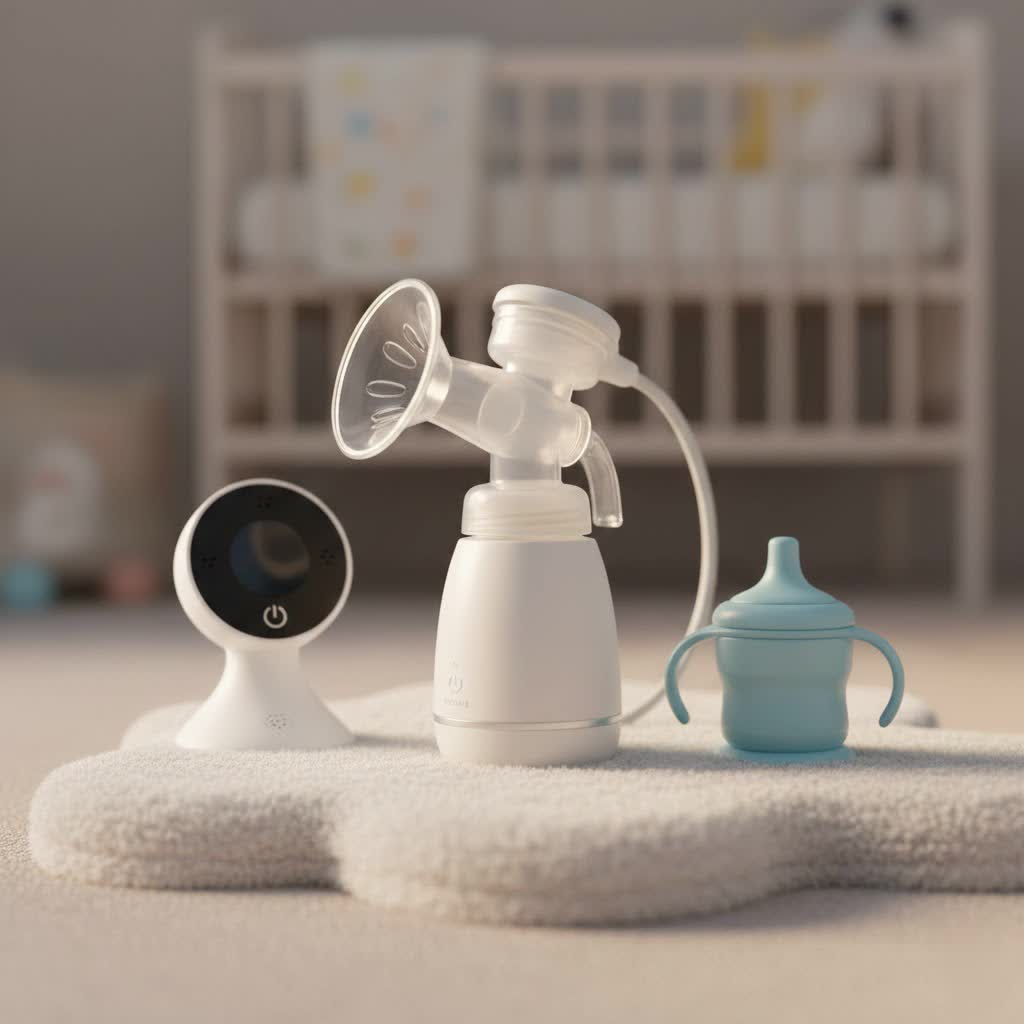
For many new mothers, breastfeeding is a cherished journey, but it often comes with the need for flexibility and freedom. A portable breast pump can be a game-changer, allowing you to maintain your milk supply and provide for your baby whether you’re at work, traveling, or simply moving around your home. But with a market flooded with options, selecting the right one can feel overwhelming. This guide will walk you through everything you need to know to make an informed decision, ensuring you find a pump that perfectly fits your lifestyle and needs.
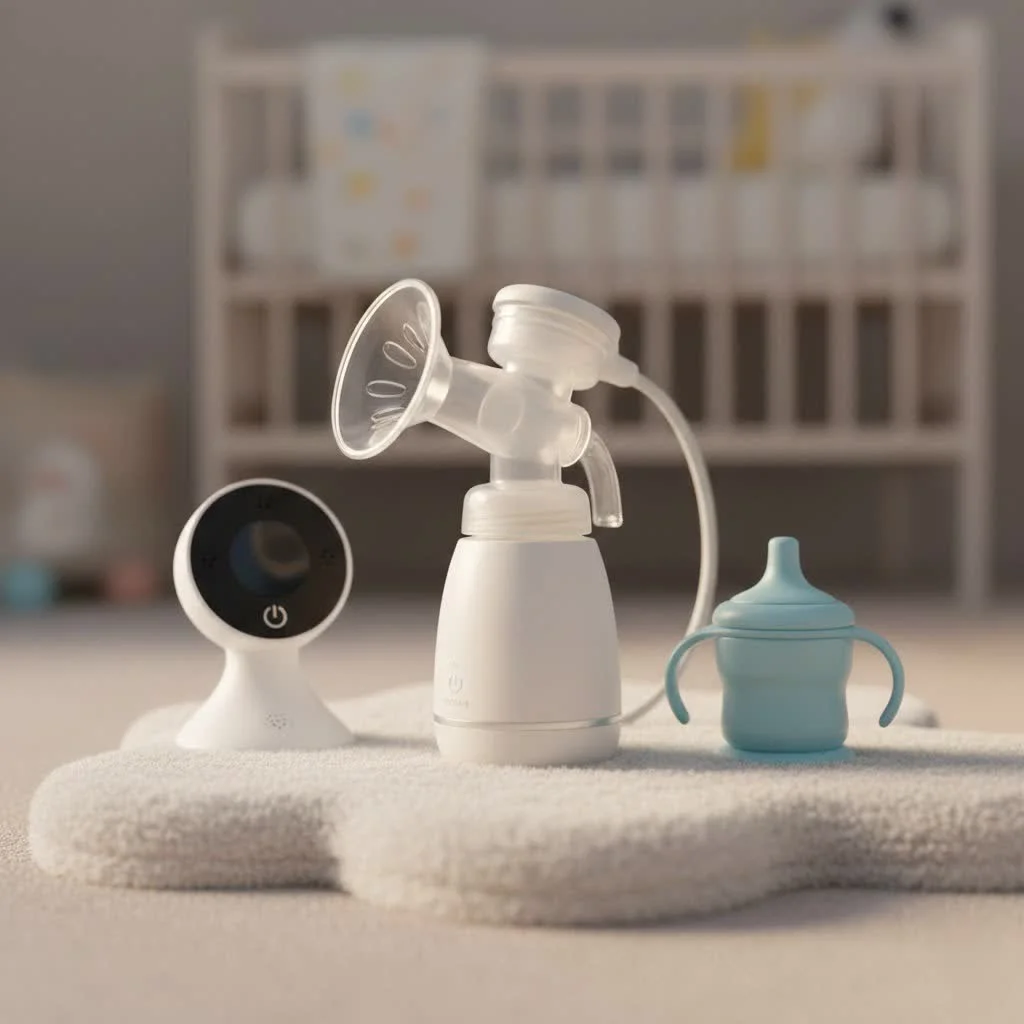
Types of Portable Breast Pumps
Portable breast pumps are designed with mobility in mind, offering a spectrum of features to suit various pumping routines. Understanding the different types is the first step in identifying what will work best for you. For compare top breast pump on this site.
- Manual Portable Breast Pumps: These are hand-operated and require no electricity or batteries. They are typically lightweight, compact, and ideal for occasional use, relieving engorgement, or as a backup pump. Their simplicity makes them very easy to clean and transport, though they demand more effort from the user and might not be suitable for frequent, high-volume pumping.
- Electric Single Portable Breast Pumps: These battery-operated or rechargeable pumps are designed for one breast at a time. They usually have a small, separate motor connected to a single collection cup via tubing. While offering more power and consistent suction than manual pumps, they still allow for some mobility. They are a good option for mothers who pump less frequently or only need to pump one side.
- Electric Double Portable Breast Pumps: Similar to single electric pumps but designed to pump both breasts simultaneously, these models save considerable time. They also feature a separate, compact motor and use tubing to connect to two collection cups. Many models offer customizable settings for different suction strengths and cycles, mimicking a baby’s natural feeding pattern for efficient milk expression.
- Hands-Free Wearable Electric Breast Pumps: These represent the pinnacle of portable pumping convenience. The motor, flange, and collection cup are integrated into a single unit that fits discreetly inside your bra, with no tubes or wires to contend with. Wearable pumps enable complete freedom of movement, allowing you to multitask, work, or care for other children while pumping. They are powered by rechargeable batteries and often come with smart features like app connectivity.
Detailed Comparison of Portable Breast Pumps
Choosing between these types depends heavily on your individual needs, frequency of pumping, and desired level of discretion and mobility. Here’s a comparison to help you weigh the pros and cons:
| Feature | Manual Portable Pump | Electric Single Portable Pump | Electric Double Portable Pump | Hands-Free Wearable Electric Pump |
|---|---|---|---|---|
| Pros | Ultra-portable, no power needed, affordable, very quiet | More efficient than manual, still portable, good for occasional use | Time-saving, efficient milk expression, often powerful | Ultimate mobility and discretion, hands-free, often smart features |
| Cons | Manual effort, slower, less milk output, not for frequent use | Slower than double, less overall output, still some tubing | Can be bulkier motor, tubing can limit movement, audible noise | May have lower suction than traditional, can be expensive, may not fully empty breasts for all users, can be bulky for some body types |
| Price Range | $20 – $50 | $50 – $150 | $100 – $300 | $200 – $550+ |
| Noise Level | Silent | Low to Moderate | Moderate | Low to Moderate (can vary by model) |
| Portability/Discretion | Excellent (fits in small bag) | Good (small motor, but tubing) | Good (compact motor, but tubing) | Excellent (fits in bra, no external parts) |
| Best for | Occasional use, relieving engorgement, backup pump | Light to moderate pumping, single-side pumping | Regular pumping at home or work, building supply | Busy moms, working, multitasking, on-the-go discretion |
Guide to Choosing the Right Portable Breast Pump
|
Our Picks for the Best Breast Pump in 2026
As an Amazon Associate I earn from qualifying purchases.
|
||
| Num | Product | Action |
|---|---|---|
| 1 | NCVI Electric Breast Pump 8782, Portable Hospital-Grade Double Pump with 4 Modes & 9 Levels, Anti-Backflow, Rechargeable Quiet Breastfeeding Pump for Efficient Comfortable Use at Home, Work or Travel |

|
| 2 | Lulia Double Electric Breast Pump, Breastfeeding Pump 4 Modes & 9 Levels, Low Noise, Anti-Backflow & LED Display, BPA Free, Portable Breast Pumps with 24mm Flange |
|
| 3 | Hands Free Breast Pump Wearable MY-375 - Strong Suction, Low Noise, Wearable Breastfeeding Pump with 4 Mode &12 Levels, Portable Electric Breast Pump 24mm - 19/21/Insert/Flange, 2 Pack (White) |
|
| 4 | Momcozy M5 Lite Hands-Free Wearable Breast Pump, DoubleFit Flange for Baby-Like Comfort, 3 Modes & 9 Suction Levels, No Flange Insert or Hard Carry Case, 24mm, 2-Pack, Cozy Red |
|
| 5 | Momcozy Breast Pump V1 Pro Hospital-Grade, Hands-Free & Portable Wearable Pump, Upgraded Electric Pump with 3 Fine-Tuned Rhythms-15 Levels, Come with Leak-Proof DoubleFit Flange, Cozy Red. |
|
| 6 | Momcozy Wearable Breast Pump, Hands Free Upgraded Mobile Flow - M9, App Discreet Control with Personalized Multi-Modes & 15 Levels, Wearable Breast Pump 24mm, 2 Pack Cozy Red |
|
| 7 | Momcozy M5 Smart APP Controlled Wearable Breast Pump, Hands-Free Wireless Electric Pump, 3 Modes 9 Suction Levels, BPA-Free, Portable Lightweight, 24mm Flange, 2-Pack Quill Gray |
|
| 8 | Hands Free Breast Pump, Wearable Breastfeeding Pump with 4 Mode & 9 Level, Strong Suction, Painless, Anti-Backflow, BPA Free, Portable Electric Breast Pumps with 17/19/21/24MM Flanges |
|
| 9 | Paruu Hands Free Breast Pump P16, Wearable Breast Pump Electirc Portable with 4 Modes & 12 Levels, Max 309mmHg Strong Suction 19/21/24mm Flange Inserts Wearable Breastfeeding Pump, 2 Pack(Nude |
|
| 10 | Momcozy M5 Smart APP Controlled Wearable Breast Pump, Hands-Free Wireless Electric Pump, 3 Modes 9 Suction Levels, BPA-Free, Portable Lightweight, 24mm Flange, 2-Pack Cozy Red |
|
Making the right choice involves careful consideration of several key factors unique to your pumping journey.
Identify Your Pumping Needs
Your pumping frequency and environment are paramount. Are you a mom who occasionally pumps to build a small stash, or do you need to pump multiple times a day while at work or traveling? For those who rely heavily on pumping, a powerful double electric or hands-free wearable pump with excellent battery life will be essential. If you primarily breastfeed and only need to pump occasionally, a manual pump or a simple single electric might suffice.
Budget Considerations
Breast pumps vary significantly in price. While it’s important to stay within your budget, also consider the long-term value. Many insurance plans cover breast pumps, so check your benefits first. Factors like the cost of replacement parts and the pump’s durability should also influence your decision. A more expensive model with robust features and a good warranty could be a worthwhile investment if you plan to pump long-term.
Essential Features
- Suction Power and Modes: Look for pumps with adjustable suction levels and multiple modes (stimulation/massage and expression). This allows you to customize the pumping experience to mimic your baby’s natural suckling, which can improve milk output and comfort. Some advanced pumps, like the Eufy S1 Pro, even offer warming features to aid letdown.
- Flange Size: The correct flange size is critical for comfort and efficiency. A poorly fitting flange can cause pain and reduce milk output. Many pumps come with multiple flange sizes, but it’s always recommended to measure your nipple size or consult a lactation consultant. As lactation consultant Ruth Hale, IBCLC, advises, “Most parents do not fit in the standard flange sizes.”
- Battery Life: For true portability, a long-lasting rechargeable battery is a must. Consider how many pumping sessions a single charge can support, especially if you’ll be away from a power source for extended periods.
- App Connectivity: Some smart wearable pumps offer app control, allowing you to track sessions, monitor milk volume, and adjust settings from your phone, enhancing discretion and ease of use.
- Ease of Cleaning: Pumping parts need to be cleaned after every use and sanitized daily. Pumps with fewer parts and dishwasher-safe components can significantly simplify your routine.
Reputable Brands
Trusted brands in the breast pump market include Medela, Spectra, Elvie, Momcozy, Willow, Philips Avent, and Eufy. These brands are known for their innovation, reliability, and customer support.
Reading User Reviews
Always read reviews from other mothers. Real-world experiences offer invaluable insights into a pump’s comfort, effectiveness, durability, and practical use cases. Look for consistent feedback regarding milk output, noise levels, and customer service.
Top Portable Breast Pumps Recommended Today
The portable breast pump market is constantly evolving, with new innovations improving convenience and efficiency. Here are some of the top-rated models that stand out for their features and performance:
- Elvie Pump: Renowned for its ultra-quiet operation and completely hands-free design, the Elvie Pump fits seamlessly into your bra. It connects to a smart app that tracks milk volume and automatically switches modes. Its discreet nature makes it a favorite for pumping on the go or in professional settings.
- Momcozy M5 / S12 Pro: These wearable pumps are celebrated for their balance of affordability and strong performance. The Momcozy S12 Pro offers a larger milk capacity (6 oz per cup), ideal for mothers with higher milk output, and comfortable silicone flanges. While they may be slightly bulkier than some competitors, they deliver reliable suction.
- Eufy S1 Pro Wearable Breast Pump: This innovative pump features a unique warming function designed to promote letdown and increase milk flow. With strong suction (up to 300 mmHg) and a wireless charging case providing extended battery life, it’s a powerful option for busy moms.
- Willow Go / Willow 360: The Willow Go offers powerful, hands-free pumping with app control, while the Willow 360 stands out for its truly leak-proof design when used with its specific milk bags. These are excellent for active mothers who need to move freely without worrying about spills.
- Medela Freestyle Hands-Free: This pump offers lightweight collection cups separate from the motor, connected by tubing. It’s known for its intuitive setup and ease of cleaning with dishwasher-safe parts, making it a very user-friendly option.
- Spectra SG Portable Breast Pump: For those who prefer a more traditional pump style with tubing but still require portability, the Spectra SG offers hospital-grade suction in a compact, battery-powered design. It boasts independent vacuum settings for each breast and excellent battery life.
Proper Use and Cleaning of Portable Breast Pumps
To ensure maximum efficiency, milk safety, and pump longevity, proper usage and meticulous cleaning are crucial.
Assembly & Fit
Always refer to your pump’s instruction manual for correct assembly. Crucially, ensure your flanges fit correctly. An ill-fitting flange can lead to discomfort, nipple damage, and reduced milk expression. Many pumps come with sizing guides, or you can consult a lactation consultant for a professional fitting.
Adjusting Suction Levels & Modes
Most electric and wearable pumps offer multiple settings. Start with a gentle stimulation mode to encourage letdown, then switch to a slower, deeper expression mode once milk begins to flow. Experiment with different suction levels to find what is most comfortable and effective for you. Pumping should never be painful.
Cleaning & Sterilization
The Centers for Disease Control and Prevention (CDC) recommends washing all pump parts that come into contact with breast milk as soon as possible after each pumping session. Use warm soapy water, rinse thoroughly, and allow to air dry completely. Sanitize pump parts at least once a day by boiling, steaming, or using a dishwasher with a hot water/heated drying cycle. If you are pumping frequently throughout the day and cannot wash immediately, you can place used pump parts in a clean, sealed bag in the refrigerator between sessions to inhibit bacterial growth, then wash and sanitize properly at the end of the day.
Storage & Maintenance
Store your pump and its parts in a clean, dry place. Ensure the battery is charged for optimal performance when you need it. Regularly check parts like valves and membranes for wear and tear, as these can affect suction and should be replaced periodically according to the manufacturer’s recommendations.
Common Issues and Troubleshooting with Portable Breast Pumps
Even with the best portable breast pump, you might encounter issues. Here are some common problems and their solutions:
- Pump not suctioning or weak suction: Check that all pump parts are correctly assembled, especially valves and membranes, which are common culprits for suction loss. Ensure the flanges are sealed properly against your breast. If battery-operated, check the charge level.
- Pain during pumping: This is often a sign of an incorrect flange size. Consult a lactation consultant to confirm you are using the appropriate size. Also, ensure your suction level isn’t too high. Pumping should feel like a strong tug, not pain.
- Leaking: If your wearable pump is leaking, check that the collection cups are properly sealed and not overfilled. For pumps with tubing, ensure all connections are secure and the tubing is free of condensation or milk. Some wearable pumps, like the Willow 360, are specifically designed for leak-proof performance.
- Decreased milk output: If you notice a drop in milk output, first ensure your pump parts are in good condition and correctly assembled. Consider if your pumping routine is consistent, or if stress, dehydration, or changes in diet might be affecting your supply. Wearable pumps may not fully empty the breast for all women; if this is a consistent issue, you might need to combine it with a more powerful traditional pump or power pump to boost supply.
Where to Buy Portable Breast Pumps Reliably?
Purchasing your portable breast pump from a reputable source ensures you get an authentic product, access to warranties, and reliable customer support.
- Specialty Baby Stores: Stores specializing in baby products often carry a range of breast pumps, allowing you to see models in person and sometimes get assistance with sizing.
- Online Retailers: Major online platforms offer a vast selection, competitive pricing, and user reviews. Be sure to buy from trusted sellers or the brand’s official store on these platforms.
- Official Brand Websites/Authorized Dealers: Purchasing directly from the manufacturer’s website or an authorized dealer guarantees authenticity and ensures you receive the full warranty and customer service support.
- Insurance Providers: Many health insurance plans cover breast pumps. Contact your insurance company to understand your benefits, which types of pumps are covered, and through which approved providers you can obtain one.
Conclusion
Choosing the best portable breast pump is a personal decision that significantly impacts your breastfeeding journey. By carefully considering the different types—manual, single electric, double electric, and hands-free wearable—and prioritizing features like comfort, efficiency, portability, and ease of cleaning, you can find a pump that truly empowers you. Remember the importance of correct flange sizing and diligent cleaning to ensure comfort, optimal milk expression, and hygiene. With the right portable breast pump, you gain the freedom to maintain your milk supply on your terms, allowing you to nurture your baby while navigating life’s demands with greater ease.
What features matter most to you in a portable breast pump, and how will it change your daily routine?
Frequently Asked Questions
Are wearable breast pumps as effective as traditional pumps?
Wearable breast pumps offer unparalleled convenience and discretion, but they may not always match the suction power of traditional, hospital-grade electric pumps. For mothers who pump occasionally or need flexibility, they are highly effective. However, if you are exclusively pumping or working to establish and maintain a robust milk supply, some lactation experts recommend using a traditional pump as your primary device, supplementing with a wearable for on-the-go sessions.
How often should I clean my portable breast pump?
All parts of your portable breast pump that come into contact with breast milk should be washed immediately after each use. Additionally, it is recommended to sanitize these parts at least once a day. This meticulous cleaning prevents bacterial growth and ensures the safety of your expressed milk.
Can I use a portable breast pump to build my milk supply?
While many portable breast pumps are efficient, some wearable models might not fully empty the breast for every individual, which can potentially impact milk supply over time if used exclusively. If your goal is to build or maintain a strong milk supply, particularly in the early weeks, it is often advisable to use a powerful double electric pump, potentially integrating a portable or wearable pump as a secondary tool for convenience.
What is the ideal flange size for a breast pump?
The ideal flange size allows your nipple to move freely in the tunnel without rubbing and minimizes the amount of areola being pulled in. Using an incorrect flange size can lead to pain, nipple trauma, and decreased milk output. It’s highly recommended to measure your nipple size and consult your pump’s sizing guide or a lactation consultant to ensure the perfect fit, as sizes can even differ between breasts.
Get our weekly buyer guide
Practical specs, not advice. Unsubscribe anytime.
