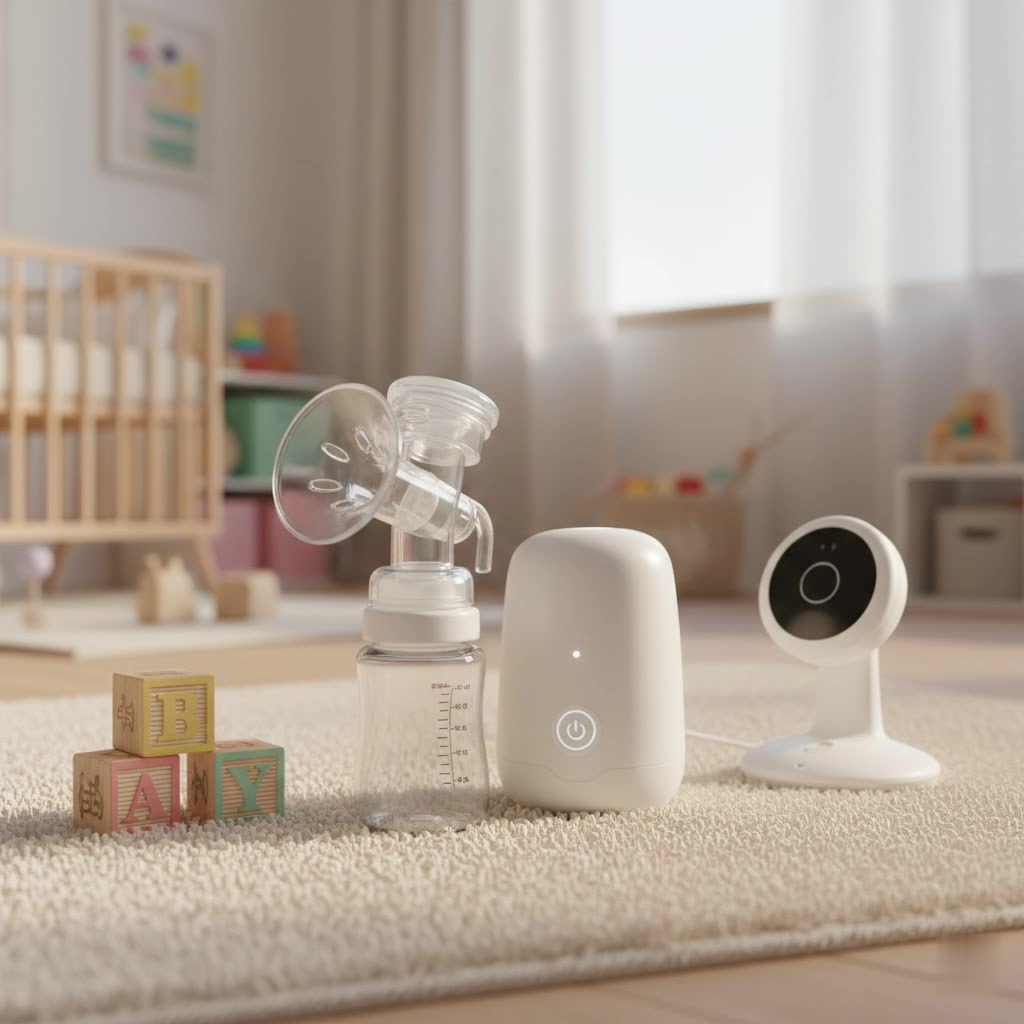
In the demanding journey of motherhood, balancing responsibilities while maintaining your breastfeeding goals can feel like a continuous juggle. Pumping often means being tethered to an outlet or bulky equipment, limiting your freedom and making multitasking a challenge. Imagine a world where you can pump discreetly, hands-free, while engaging with your toddler, working, or simply enjoying a moment of peace. The Willow Go breast pump promises to deliver this flexibility, offering a portable and convenient solution for modern moms. This comprehensive guide delves into every aspect of the Willow Go, from its innovative features and practical benefits to its potential drawbacks, helping you decide if this wearable pump is the perfect fit for your unique pumping journey.
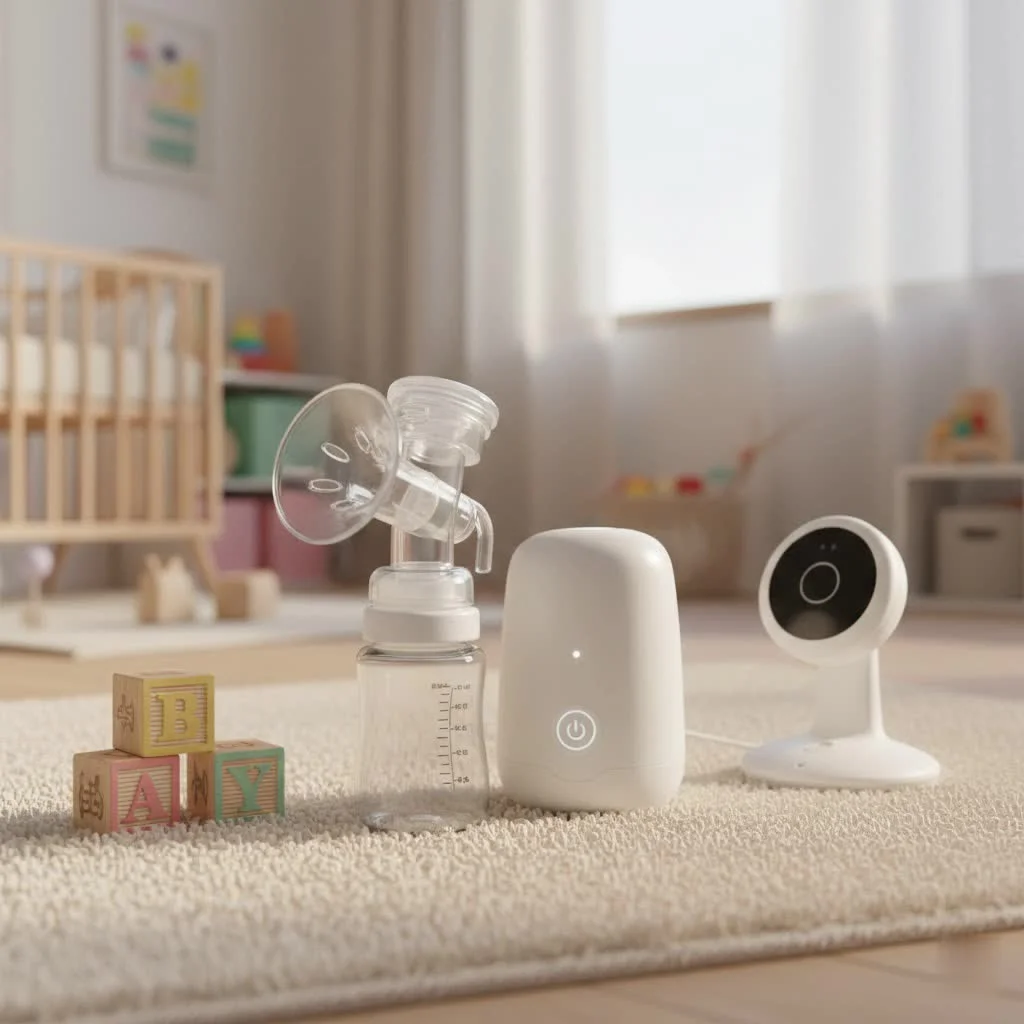
Understanding the Willow Go Breast Pump: A Game-Changer for Modern Moms
Wearable breast pumps have revolutionized how mothers approach expressing milk, moving beyond traditional wall-plugged devices to offer unprecedented freedom. The Willow Go stands out in this category as a fully portable, in-bra, cordless electric breast pump designed with the active parent in mind. It integrates seamlessly into your life, allowing you to pump whenever and wherever you need, without the visible tubes, dangling bottles, or noisy motors associated with older models. With its discreet design and “hospital-grade” suction, the Willow Go aims to provide efficient milk expression while allowing you to reclaim precious time and flexibility. It’s particularly well-suited for working mothers, those who pump occasionally, or anyone looking for a convenient supplement to their primary pumping routine.
Willow Go Features: What’s In The Box and Beyond
The Willow Go boasts features that prioritize convenience and efficiency. Each pump unit delivers 15 levels of adjustable suction, allowing you to customize your pumping experience for optimal comfort and milk output. It is powered by a rechargeable battery and can be controlled either via physical buttons directly on the pump or through the Willow Go app, offering flexibility in how you manage your sessions. Each reusable milk container can collect up to 5 ounces (150 ml) of breast milk. The pump is FDA-approved and made from BPA-free materials, ensuring safety for both you and your baby.
When you unbox a Willow Go, you typically find:
- Two Willow Go pumps (motors and collection cups)
- Two 21mm flanges and two 24mm flanges (additional sizes may be purchased separately)
- Two reusable breast milk containers
- Two container backs
- Two pump diaphragms
- Two duckbill valves
- Two USB charging cables
It’s important to note that while charging cables are included, a power adapter (charging block) is often not part of the standard package and may need to be purchased separately. Similarly, a dedicated carrying case is usually an accessory rather than an inclusion, which is something to consider if portability is a top priority for you.
The Pros of Pumping with Willow Go: Freedom and Efficiency
The Willow Go offers several compelling advantages that make it a popular choice for many mothers.
Unmatched Portability and Hands-Free Convenience
|
Our Picks for the Best Breast Pump in 2026
As an Amazon Associate I earn from qualifying purchases.
|
||
| Num | Product | Action |
|---|---|---|
| 1 | Momcozy M5 Smart APP Controlled Wearable Breast Pump, Hands-Free Wireless Electric Pump, 3 Modes 9 Suction Levels, BPA-Free, Portable Lightweight, 24mm Flange, 2-Pack Cozy Red |

|
| 2 | Momcozy M5 Smart APP Controlled Wearable Breast Pump, Hands-Free Wireless Electric Pump, 3 Modes 9 Suction Levels, BPA-Free, Portable Lightweight, 24mm Flange, 2-Pack Quill Gray |
|
| 3 | Momcozy Wearable Breast Pump, Hands Free Upgraded Mobile Flow - M9, App Discreet Control with Personalized Multi-Modes & 15 Levels, Wearable Breast Pump 24mm, 2 Pack Cozy Red |
|
| 4 | NCVI Electric Breast Pump 8782, Portable Hospital-Grade Double Pump with 4 Modes & 9 Levels, Anti-Backflow, Rechargeable Quiet Breastfeeding Pump for Efficient Comfortable Use at Home, Work or Travel |
|
| 5 | Hands Free Breast Pump, Wearable Breastfeeding Pump with 4 Mode & 9 Level, Strong Suction, Painless, Anti-Backflow, BPA Free, Portable Electric Breast Pumps with 17/19/21/24MM Flanges |
|
| 6 | Momcozy Breast Pump V1 Pro Hospital-Grade, Hands-Free & Portable Wearable Pump, Upgraded Electric Pump with 3 Fine-Tuned Rhythms-15 Levels, Come with Leak-Proof DoubleFit Flange, Cozy Red. |
|
| 7 | Paruu Hands Free Breast Pump P16, Wearable Breast Pump Electirc Portable with 4 Modes & 12 Levels, Max 309mmHg Strong Suction 19/21/24mm Flange Inserts Wearable Breastfeeding Pump, 2 Pack(Nude |
|
| 8 | Lulia Double Electric Breast Pump, Breastfeeding Pump 4 Modes & 9 Levels, Low Noise, Anti-Backflow & LED Display, BPA Free, Portable Breast Pumps with 24mm Flange |
|
| 9 | Momcozy M5 Lite Hands-Free Wearable Breast Pump, DoubleFit Flange for Baby-Like Comfort, 3 Modes & 9 Suction Levels, No Flange Insert or Hard Carry Case, 24mm, 2-Pack, Cozy Red |
|
| 10 | Hands Free Breast Pump Wearable MY-375 - Strong Suction, Low Noise, Wearable Breastfeeding Pump with 4 Mode &12 Levels, Portable Electric Breast Pump 24mm - 19/21/Insert/Flange, 2 Pack (White) |
|
The most significant benefit of the Willow Go is its ability to free you from the wall outlet. Its cordless design allows you to pump on the go, whether you’re commuting, working, doing household chores, or simply enjoying time with your family. This hands-free functionality enables busy moms to multitask efficiently, making pumping less of a pause in their day and more of an integrated activity.
Discreet and Comfortable Design
Fitting directly into your bra, the Willow Go is designed for maximum discretion. Unlike traditional pumps with external bottles and tubes, the Willow Go maintains a sleek, in-bra profile that allows for comfortable and confident pumping in public or professional settings. Many users appreciate not feeling “like a robot” with cumbersome equipment attached.
Effective Suction and Settings
Equipped with “hospital-grade” suction and 15 intensity levels, the Willow Go allows for personalized and effective milk expression. Users often compare its cycle speeds and suction patterns to popular hospital-grade pumps like Spectra, suggesting a familiar and reliable experience. This can lead to efficient milk output for many mothers.
Simplified Cleaning
The Willow Go features large, straightforward parts that simplify the cleaning process. While some official guidance recommends hand washing, Willow’s website states the parts are dishwasher-safe, offering a convenient option for busy parents. This ease of maintenance contributes to the overall user-friendly experience.
Responsive Customer Service
In instances where users have experienced issues, particularly with motors, Willow’s customer service has been noted for its responsiveness. Many users report quick resolutions and replacement of parts, offering peace of mind regarding potential technical glitches.
Willow Go Drawbacks: What to Consider Before You Buy
While the Willow Go offers many benefits, it’s also important to be aware of its limitations to ensure it aligns with your expectations and needs.
Potential for Spills
Unlike some fully sealed pumps, the Willow Go is not entirely leak-proof. It features an air hole at the top of the collection cups, meaning that if you bend over significantly, milk can spill out. This requires some caution during use, especially for highly active mothers.
Assembly Sensitivity
One common point of frustration for users is the precise assembly required for the Willow Go to function optimally. If any of the parts are slightly misaligned, the pump may not initiate suction effectively. This can lead to a learning curve and require adjustments or reassembly during a pumping session, potentially adding stress when time is limited.
Battery Life Limitations
The Willow Go’s battery typically lasts for approximately two to three 30-minute pumping sessions on a full charge. For mothers who pump multiple times throughout the day, particularly exclusive pumpers, this might mean frequent recharging or needing a backup pump to ensure consistent supply maintenance.
Additional Costs for Accessories
While the pump itself is an investment, users may incur additional costs for essential accessories. As mentioned, a charging block and a carrying case are often sold separately. Furthermore, like all breast pumps, the Willow Go requires periodic replacement of parts such as diaphragms and duckbill valves, which some users find to be on the pricier side.
App Usefulness Varies
The Willow Go is compatible with a companion app, which allows users to monitor suction levels, track session duration, and control the pumps remotely. However, some users find the app to be less essential, preferring to use the physical buttons on the pumps. Its overall utility can vary significantly from user to user.
Not Always for Exclusive Pumping
While many find the Willow Go effective for maintaining supply, some exclusive pumpers report that it may not fully empty their breasts as thoroughly as a traditional hospital-grade pump. This can lead to a need for additional hand expression or using a secondary pump to ensure complete milk removal and prevent clogs.
“Fridge Hack” Challenges
For those who utilize the “fridge hack”—storing pump parts in the refrigerator between sessions to reduce washing—the Willow Go presents a slight inconvenience. The motor is not easily detachable from the collection cups, meaning you cannot simply pop the milk-filled cups into the fridge while keeping the motor separate.
Willow Go vs. Other Breast Pumps: Making an Informed Choice
Choosing a breast pump involves weighing various factors, and understanding how the Willow Go compares to other options can help clarify your decision.
Willow Go vs. Willow 360
Willow offers two prominent wearable models: the Willow Go and the Willow 360 (formerly Willow 3.0). They share the common goal of hands-free pumping but cater to slightly different needs.
| Feature | Willow Go | Willow 360 |
|---|---|---|
| Leak-Proof | No (risk of spills when bending) | Yes (designed for pumping in any position) |
| Milk Collection | Reusable 5oz containers | Disposable bags (with optional reusable containers) |
| Complexity | Simpler setup, more user-friendly | More complex, steeper learning curve |
| Control | Physical buttons + App | App only (no physical buttons) |
| Price | Generally more affordable | Pricier due to advanced features and bags |
| Reputation | Often lauded for simplicity and effectiveness | Can be hit-or-miss due to complexity |
The Willow Go is often favored for its relative simplicity and lower cost, while the Willow 360 appeals to those who prioritize the ultimate leak-proof experience, even with a higher price tag and learning curve.
Willow Go vs. Traditional Electric Pumps
Traditional electric breast pumps (single or double, hospital-grade or personal use) are often powerful and efficient but lack portability.
| Feature | Willow Go (Wearable) | Traditional Electric Pump (e.g., Medela, Spectra) |
|---|---|---|
| Portability | Excellent (in-bra, cordless) | Limited (requires outlet, tubes, external bottles) |
| Discreetness | High (fits in bra) | Low (visible tubes, bottles, motor) |
| Power/Efficiency | Strong (hospital-grade suction for many) | Often very strong, consistent output |
| Comfort | High (allows movement) | Can be comfortable but restricts movement |
| Cost | Mid-to-high range for personal pumps | Wide range from basic to hospital-grade |
| Emptying | Good for many, but some may need extra care | Typically very efficient emptying |
The Willow Go excels in convenience and discretion, making it ideal for on-the-go pumping. Traditional pumps, while less portable, are often the go-to for establishing and maintaining supply, especially for exclusive pumpers who need consistent, powerful emptying.
How to Get the Most Out of Your Willow Go Breast Pump
To maximize your experience with the Willow Go, proper setup, usage, and maintenance are key.
Setup and First Use
Upon receiving your Willow Go, fully charge the pumps before the first use. Consult the included nipple sizing guide to ensure you select the correct flange size, as this is critical for comfort, efficiency, and preventing discomfort or decreased output. Assemble the parts carefully, ensuring each component is perfectly aligned to achieve optimal suction. This initial attention to detail can prevent frustration during pumping sessions.
Optimizing Pumping Sessions
Experiment with the 15 suction levels to find what feels most comfortable and effective for you. Many lactation consultants recommend starting with a gentle massage or stimulation mode to initiate letdown, then switching to a stronger expression mode. While the app can track your sessions, you can also use the physical buttons to adjust settings. Regularly monitor your milk output and ensure a proper seal to maximize each session’s effectiveness.
Cleaning and Maintenance
Maintaining hygiene is paramount for breast pump parts. After each use, disassemble the parts and wash them thoroughly. While the parts are listed as dishwasher-safe, some users prefer hand washing with warm, soapy water to prolong their lifespan. Ensure all parts are completely dry before reassembly to prevent mold or mildew. Regularly inspect duckbill valves and diaphragms for wear and tear, replacing them every 3-6 months (or sooner if you notice a decrease in suction) to maintain optimal performance.
Common Willow Go Issues and Troubleshooting Tips
Even with a well-designed pump, users might encounter occasional issues. Here are some common problems and troubleshooting advice:
- No Suction or Weak Suction: This is frequently due to improper assembly. Double-check that all parts are perfectly aligned, especially the duckbill valves and diaphragms, and that the containers are securely attached. Ensure the flange size is correct and creates a good seal.
- Milk Spills or Leaks: Since the Willow Go is not fully leak-proof, avoid bending over while pumping. Ensure the pour hole on the top of the collection cup is properly sealed with its stopper. Practice pouring milk carefully to minimize spills, especially when transferring to storage bags.
- Battery Drains Quickly: Ensure you fully charge the pumps before each use. If pumping multiple times a day, plan for recharging between sessions or consider carrying a portable power bank. For frequent or exclusive pumpers, managing battery expectations is crucial.
- Motor Chirping or Unusual Noises: Some users report a “chirping” sound from the motors. If this occurs, contact Willow’s customer service. They are generally responsive and may offer troubleshooting steps or replacements under warranty.
- Not Fully Emptying: If you feel your breasts aren’t fully emptying, first check your flange size and experiment with different suction and cycle settings. Some mothers find that incorporating breast massage during pumping or performing a short session with a traditional pump afterward helps ensure complete milk removal.
Where to Purchase Your Willow Go and Maximizing Your Investment
The Willow Go breast pump is available through several reputable retailers, offering various purchasing options. You can typically find it directly on the Willow website, as well as on major e-commerce platforms like Amazon, and at popular baby supply stores such as Target and Babylist. Prices usually hover around $350, though sales and discounts are frequently offered, making it worthwhile to compare prices across different vendors.
It’s important to explore how your health insurance might assist with the purchase. Many insurance plans classify breast pumps as durable medical equipment, and while the Willow Go is often considered an “upgrade” option, many providers offer partial coverage or allow you to use HSA/FSA funds to offset the cost. Contact your insurance company directly to understand your specific benefits.
Willow provides a 12-month warranty for the pump unit itself and a 90-day warranty for pump parts. Given that motor issues can occasionally arise, purchasing extended insurance or warranty, if available, could offer additional peace of mind, especially if you plan on pumping for an extended period.
Conclusion
The Willow Go breast pump offers a compelling solution for modern mothers seeking freedom, flexibility, and discretion in their pumping routine. Its hands-free, in-bra design allows for unprecedented mobility, making it an excellent choice for working moms, those with busy lifestyles, or anyone who wants to multitask while expressing milk. While it brings significant advantages in convenience and effective suction, understanding its limitations—such as not being leak-proof and its battery life—is crucial for setting realistic expectations.
Ultimately, the best breast pump is one that aligns perfectly with your individual needs, lifestyle, and breastfeeding goals. By carefully weighing the Willow Go’s pros and cons, comparing it with other pump types, and considering your daily routine, you can make an informed decision that supports your unique journey. Is the Willow Go the hands-free solution you’ve been searching for to empower your pumping experience?
Frequently Asked Questions
Is the Willow Go completely leak-proof?
No, the Willow Go is not completely leak-proof. It has an air hole on top of the collection cups, which means there is a risk of milk spilling if you bend over too far or tilt the pump excessively during use. It requires some awareness of your body’s position while pumping.
How long does the Willow Go battery last?
On a full charge, the Willow Go battery typically provides power for about two to three 30-minute pumping sessions. Battery life can vary based on the suction settings used. For frequent or exclusive pumpers, it’s advisable to have a charging routine or a portable charger handy.
Can I use the Willow Go as my only breast pump for exclusive pumping?
While the Willow Go offers strong suction, some exclusive pumpers find it may not fully empty their breasts as effectively as a traditional hospital-grade pump. It can work well for some, but others may need to supplement with another pump or hand expression to maintain their milk supply and prevent clogs.
How do I clean my Willow Go breast pump parts?
The Willow Go parts are designed for easy cleaning. They can be hand-washed with warm, soapy water or placed on the top rack of a dishwasher. It’s essential to disassemble all parts before washing and ensure they are thoroughly dry before reassembly to maintain hygiene and pump performance.
What comes in the Willow Go box?
The standard Willow Go package includes two Willow Go pumps (motors and collection cups), two sets of flanges (21mm and 24mm), two reusable breast milk containers, container backs, pump diaphragms, duckbill valves, and USB charging cables. A charging block and carrying case are typically sold separately.
Is the Willow Go covered by insurance?
Many health insurance plans offer coverage for breast pumps, often classifying the Willow Go as an “upgrade” option. While it might not be fully covered, you can frequently use HSA/FSA funds or receive partial reimbursement. It’s best to contact your insurance provider directly to understand your specific benefits.
What is the difference between Willow Go and Willow 360?
The Willow Go is simpler, more affordable, and features physical buttons alongside app control, but it is not leak-proof. The Willow 360, while pricier and app-controlled only, offers a leak-proof design that allows pumping in any position and uses disposable milk bags, making it more complex to use.
Get our weekly buyer guide
Practical specs, not advice. Unsubscribe anytime.
