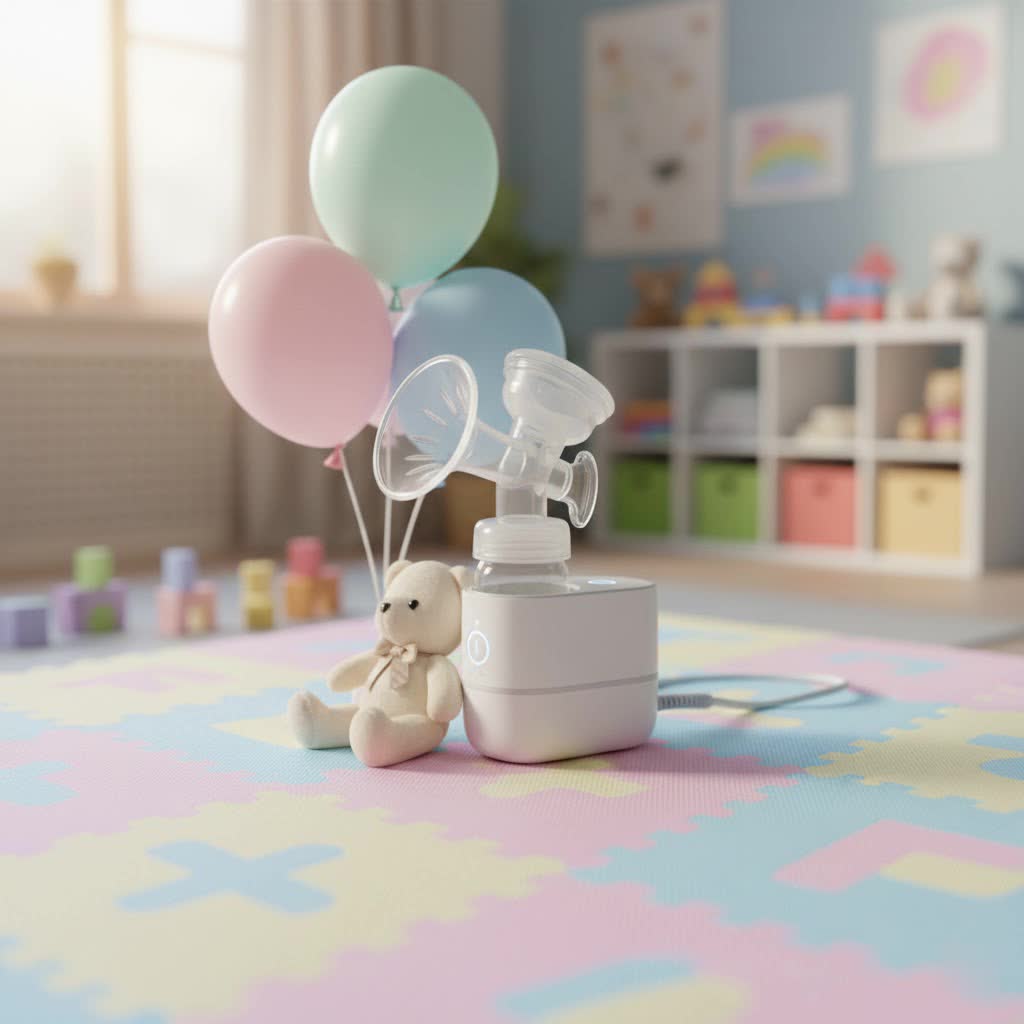
Navigating the journey of motherhood brings with it a myriad of choices, from nursery decor to feeding methods. Among the most impactful decisions for many new mothers is how to provide breast milk, and a reliable breast pump can be an invaluable tool. What many expectant and new parents might not realize is that acquiring a high-quality breast pump doesn’t have to be an added financial burden. Thanks to federal mandates, most health insurance plans are required to cover the cost of a breast pump, often at no out-of-pocket expense to you. This comprehensive guide will walk you through everything you need to know about securing your free breast pump with insurance, ensuring you have the support and equipment necessary for a successful breastfeeding experience.

Understanding Your Insurance: The ACA Mandate
The Affordable Care Act (ACA), enacted in 2010, revolutionized healthcare coverage in the United States, and a significant provision for new and expectant mothers was the requirement for most health insurance plans to cover breastfeeding support, counseling, and equipment. This mandate ensures that women have access to essential tools like breast pumps to support their decision to breastfeed.
Specifically, the ACA stipulates that most health insurance plans must provide coverage for “preventive services” without cost-sharing. Breastfeeding support and equipment fall under this category. This means for most individuals with private or commercial health insurance, you should be able to receive a breast pump without paying a copayment, coinsurance, or deductible. However, it’s crucial to understand that not all plans are subject to this rule. “Grandfathered” plans, which existed before the ACA was signed into law and haven’t significantly changed, are often exempt from this requirement. Similarly, some self-funded plans may have different regulations. Always verify your specific benefits with your insurance provider.
Types of Breast Pumps Covered by Insurance
While the ACA mandates coverage, the specific type of breast pump your insurance will cover can vary. Most plans primarily cover a personal-use double-electric breast pump, which is often considered the most efficient for establishing and maintaining milk supply, especially for mothers who plan to pump regularly.
- Manual Breast Pumps: These are operated by hand and offer portability and quiet operation. They are typically best for occasional pumping or relieving engorgement. Some insurance plans may cover these, but they are less common as a primary covered option compared to electric models.
- Single Electric Breast Pumps: These pumps allow you to express milk from one breast at a time. While still effective, they take longer than double pumps. Coverage for single electric pumps is less frequent as the default free option, as double electric models are generally considered more beneficial for consistent pumping.
- Double Electric Breast Pumps: The most commonly covered type, these allow simultaneous pumping from both breasts, significantly reducing pumping time and often promoting a better milk supply. Most insurance providers offer a selection of these pumps at no cost.
- Hands-Free Breast Pumps: These wearable pumps fit inside your bra, offering unparalleled mobility. While highly convenient, they often fall into an “upgrade” category, meaning your insurance might cover a portion, but you may pay the difference out-of-pocket.
- Hospital-Grade Breast Pumps: These powerful, multi-user pumps are designed for situations where a mother needs to establish or significantly increase milk supply, often in cases of premature babies or other medical complications. Due to their high cost and specific purpose, they are usually covered as rental units for a limited period, rather than for purchase. Your doctor typically needs to provide a medical necessity prescription for a hospital-grade rental.
Your insurance plan will have guidelines regarding whether you receive a rental or a new pump, and when you can receive it (often before or after birth). It’s always best to consult directly with your insurance provider or a specialized durable medical equipment (DME) supplier to understand the specific types and models covered under your plan.
Step-by-Step Guide to Getting Your Free Breast Pump
The process of obtaining your breast pump through insurance has become streamlined over the years, largely thanks to specialized providers who act as intermediaries. Here’s a typical workflow:
1. Verify Your Insurance Coverage
|
Our Picks for the Best Breast Pump in 2026
As an Amazon Associate I earn from qualifying purchases.
|
||
| Num | Product | Action |
|---|---|---|
| 1 | Momcozy Breast Pump V1 Pro Hospital-Grade, Hands-Free & Portable Wearable Pump, Upgraded Electric Pump with 3 Fine-Tuned Rhythms-15 Levels, Come with Leak-Proof DoubleFit Flange, Cozy Red. |

|
| 2 | Momcozy M5 Smart APP Controlled Wearable Breast Pump, Hands-Free Wireless Electric Pump, 3 Modes 9 Suction Levels, BPA-Free, Portable Lightweight, 24mm Flange, 2-Pack Cozy Red |
|
| 3 | Lulia Double Electric Breast Pump, Breastfeeding Pump 4 Modes & 9 Levels, Low Noise, Anti-Backflow & LED Display, BPA Free, Portable Breast Pumps with 24mm Flange |
|
| 4 | Hands Free Breast Pump Wearable MY-375 - Strong Suction, Low Noise, Wearable Breastfeeding Pump with 4 Mode &12 Levels, Portable Electric Breast Pump 24mm - 19/21/Insert/Flange, 2 Pack (White) |
|
| 5 | Hands Free Breast Pump, Wearable Breastfeeding Pump with 4 Mode & 9 Level, Strong Suction, Painless, Anti-Backflow, BPA Free, Portable Electric Breast Pumps with 17/19/21/24MM Flanges |
|
| 6 | NCVI Electric Breast Pump 8782, Portable Hospital-Grade Double Pump with 4 Modes & 9 Levels, Anti-Backflow, Rechargeable Quiet Breastfeeding Pump for Efficient Comfortable Use at Home, Work or Travel |
|
| 7 | Momcozy M5 Smart APP Controlled Wearable Breast Pump, Hands-Free Wireless Electric Pump, 3 Modes 9 Suction Levels, BPA-Free, Portable Lightweight, 24mm Flange, 2-Pack Quill Gray |
|
| 8 | Momcozy M5 Lite Hands-Free Wearable Breast Pump, DoubleFit Flange for Baby-Like Comfort, 3 Modes & 9 Suction Levels, No Flange Insert or Hard Carry Case, 24mm, 2-Pack, Cozy Red |
|
| 9 | Paruu Hands Free Breast Pump P16, Wearable Breast Pump Electirc Portable with 4 Modes & 12 Levels, Max 309mmHg Strong Suction 19/21/24mm Flange Inserts Wearable Breastfeeding Pump, 2 Pack(Nude |
|
| 10 | Momcozy Wearable Breast Pump, Hands Free Upgraded Mobile Flow - M9, App Discreet Control with Personalized Multi-Modes & 15 Levels, Wearable Breast Pump 24mm, 2 Pack Cozy Red |
|
Before anything else, confirm your eligibility. You can do this in one of two ways:
- Contact Your Insurance Provider Directly: Call the member services number on your insurance card. Ask specific questions about breast pump coverage: Is a pump covered? What type (manual, electric, double electric)? Is it a rental or purchase? Are accessories covered? Is there a specific timeframe for acquisition (e.g., within 30 days of birth, during the third trimester)? Do they require you to use an in-network Durable Medical Equipment (DME) supplier?
- Use a Specialized DME Supplier: Many companies specialize in helping new parents obtain breast pumps through insurance. These providers (like Aeroflow Breastpumps, The Lactation Network, Acelleron Medical Products, etc.) often have online portals where you can enter your insurance information. They will then verify your benefits on your behalf and let you know what pumps you qualify for. This is often the easiest and most hassle-free route.
2. Obtain a Prescription (If Required)
Most insurance companies require a prescription from a doctor, midwife, or nurse practitioner for a breast pump. This is a standard medical device, and the prescription serves as medical necessity. If you are working with a DME supplier, they will often handle contacting your doctor’s office directly to obtain this prescription, saving you an extra step. Ensure your provider sends the prescription promptly to avoid delays.
3. Choose a Durable Medical Equipment (DME) Supplier
Once your coverage is verified and a prescription is secured, you’ll work with a DME supplier. These are authorized medical equipment providers that have contracts with insurance companies. If you called your insurance company directly, they might provide you with a list of in-network DMEs. If you started with an online breast pump provider, they are typically a DME themselves. These suppliers streamline the process by handling all the paperwork, billing, and shipping.
4. Select Your Breast Pump
After your eligibility is confirmed and your prescription is on file, the DME supplier will present you with a selection of breast pumps that are fully covered by your insurance. This usually includes popular models from reputable brands. You may also be offered “upgrade” options, where you can choose a more advanced model (like certain hands-free pumps or pumps with extra features) by paying the difference out-of-pocket. Carefully consider your pumping needs, lifestyle, and budget when making this choice.
5. Await Delivery
Once you’ve made your selection, the DME supplier will process your order and ship the breast pump directly to your home. Shipping is typically free. The entire process, from initial inquiry to delivery, can often take just a few weeks, so it’s advisable to start early in your third trimester to ensure you have your pump well before your baby’s arrival.
Navigating Your Options: Upgrades and Accessories
While the ACA ensures you can get a breast pump at no cost, your insurance plan’s coverage specifics will dictate what, if anything, you might pay for. The “free” aspect often applies to a standard personal-use double-electric breast pump.
- Pump Upgrades: If you desire a premium pump with advanced features, a more compact design, or a specific brand that exceeds your plan’s basic coverage, you may have the option to pay an “upgrade fee.” This fee covers the difference between the base model covered by your insurance and the enhanced model you choose.
- Accessories and Supplies: Coverage for breast pump accessories varies greatly. While some plans might include initial sets of bottles, tubing, and flanges, ongoing supplies like milk storage bags, replacement parts, extra flanges, or specialized nursing bras are less consistently covered. Always check with your insurance or DME provider about accessory coverage. Often, these items need to be purchased separately.
Top Breast Pump Brands Often Covered by Insurance
Many leading breast pump manufacturers partner with insurance providers and DME suppliers to make their products accessible. Some of the most frequently covered brands include:
- Medela: A long-standing leader in the industry, Medela offers reliable pumps known for their efficiency and hospital-grade technology adapted for personal use. Their Freestyle Flex and Pump in Style are popular choices.
- Spectra: Renowned for their quiet operation and comfortable suction, Spectra pumps (like the S1 and S2) are highly favored by many mothers. The S1 is particularly popular for its built-in rechargeable battery.
- Philips Avent: Known for their user-friendly designs and comfortable flanges, Philips Avent offers effective electric pumps that are often covered.
- Willow & Elvie: These brands are pioneers in wearable, hands-free breast pumps, allowing for discreet pumping on the go. While often available as upgrade options, their innovative designs offer significant lifestyle flexibility.
- Lansinoh & Evenflo: These brands provide dependable and affordable pumping solutions, often included in standard insurance coverage options.
The availability of specific brands and models will depend on your insurance plan and the DME supplier you choose.
Maximizing Your Breast Pump Benefits
To ensure a smooth process and get the most out of your insurance benefits, consider these tips:
- Start Early: Begin researching and contacting DMEs in your second or early third trimester. This gives you ample time to navigate paperwork and receive your pump before your baby arrives.
- Understand Your Needs: Consider your lifestyle. Will you be exclusively pumping, or just occasionally? Do you need portability for work or travel? This will help you decide if a basic covered pump suffices or if an upgrade is worth the investment.
- Ask About Additional Benefits: Beyond the pump, inquire about other lactation benefits your plan may cover, such as consultations with a lactation consultant (IBCLC), which are also often mandated by the ACA.
- Keep Records: Maintain a record of all communications with your insurance provider and DME supplier, including dates, names of representatives, and summaries of discussions. This can be helpful if any issues arise.
Troubleshooting Common Insurance-Related Issues
While the process is generally straightforward, you might encounter a few hurdles:
- “Grandfathered” or Exempt Plans: If your plan claims it’s grandfathered or otherwise exempt from ACA requirements, verify this with your employer’s HR department or directly with your insurance provider’s appeals department. Sometimes, there might be other state mandates or employer-specific benefits.
- Denied Claims: If your claim for a pump or accessories is denied, don’t give up immediately. Review the Explanation of Benefits (EOB) carefully. It should state why the claim was denied. You might need to provide additional documentation (like a more specific prescription from your doctor) or appeal the decision.
- Limited Options: If the initially offered pumps don’t meet your needs, ask your DME if there are other in-network options or upgrade possibilities. Sometimes, a different DME might have contracts with different pump brands.
- Confusing Information: Insurance jargon can be overwhelming. Don’t hesitate to ask for clarification from your insurance representative or your DME. They are there to help you understand your benefits.
Where to Get Your Free Breast Pump
The primary way to get your free breast pump with insurance is through a Durable Medical Equipment (DME) supplier. These suppliers are specifically set up to handle medical device orders that are covered by insurance. You typically won’t walk into a retail store and pick up a free pump directly using your insurance card.
- Online DME Providers: Companies like Aeroflow Breastpumps, The Lactation Network, Acelleron Medical Products, and others have user-friendly websites where you can check your eligibility, select your pump, and manage the process online.
- Local Medical Supply Stores: Some brick-and-mortar medical supply stores may also be authorized DME providers for breast pumps. You can check with your insurance provider for a list of local in-network options.
- Hospital or Clinic Programs: In some cases, hospitals or clinics may have programs or partnerships with DMEs that can facilitate obtaining a pump. Inquire with your prenatal care provider.
Always ensure that whichever provider you choose is in-network with your specific insurance plan to avoid unexpected costs.
Conclusion
The ability to receive a free breast pump through insurance is a significant benefit that empowers mothers to pursue their breastfeeding goals without added financial strain. Thanks to the Affordable Care Act, quality breastfeeding equipment is more accessible than ever before. By understanding your insurance benefits, utilizing reliable DME suppliers, and being proactive in the process, you can easily obtain a breast pump that supports your unique journey. Remember, a successful breastfeeding experience often starts with the right tools and knowing how to access them effectively. What steps will you take today to ensure you’re prepared for your breastfeeding journey?
Frequently Asked Questions
Does the Affordable Care Act (ACA) guarantee a free breast pump?
Yes, under the ACA, most health insurance plans are required to cover breastfeeding support, counseling, and equipment, including breast pumps, often without cost-sharing. However, “grandfathered” plans or certain self-funded plans may be exempt.
Do I need a doctor’s prescription to get a breast pump through insurance?
Typically, yes, a prescription from your doctor, midwife, or nurse practitioner is required. This prescription validates the medical necessity of the breast pump. Most DME suppliers can assist in obtaining this from your healthcare provider.
What types of breast pumps are usually covered by insurance?
Most insurance plans primarily cover a personal-use double-electric breast pump. Manual pumps, single-electric pumps, and hands-free pumps might have varying coverage, with hands-free models often requiring an upgrade fee. Hospital-grade pumps are usually covered as rentals for specific medical needs.
Can I choose any breast pump brand I want?
Your insurance plan, in conjunction with your chosen Durable Medical Equipment (DME) supplier, will offer a selection of covered breast pump brands and models. You might have options for “upgrading” to a premium brand or model by paying an additional cost.
When should I order my breast pump?
It is generally recommended to start the process in your third trimester, typically around 30-32 weeks pregnant. This allows ample time for paperwork processing and delivery, ensuring you have your pump ready before your baby’s arrival.
Are breast pump accessories like bottles and storage bags covered by insurance?
Coverage for breast pump accessories varies significantly by insurance plan. While some plans may include an initial set of parts, ongoing supplies like milk storage bags, replacement tubing, or extra flanges are often not fully covered and may need to be purchased separately.
What should I do if my insurance denies coverage for a breast pump?
If your coverage is denied, review the Explanation of Benefits (EOB) for the reason. Contact your insurance provider for clarification, and consider appealing the decision, providing any additional documentation or a more detailed prescription from your doctor if necessary.
Get our weekly buyer guide
Practical specs, not advice. Unsubscribe anytime.
