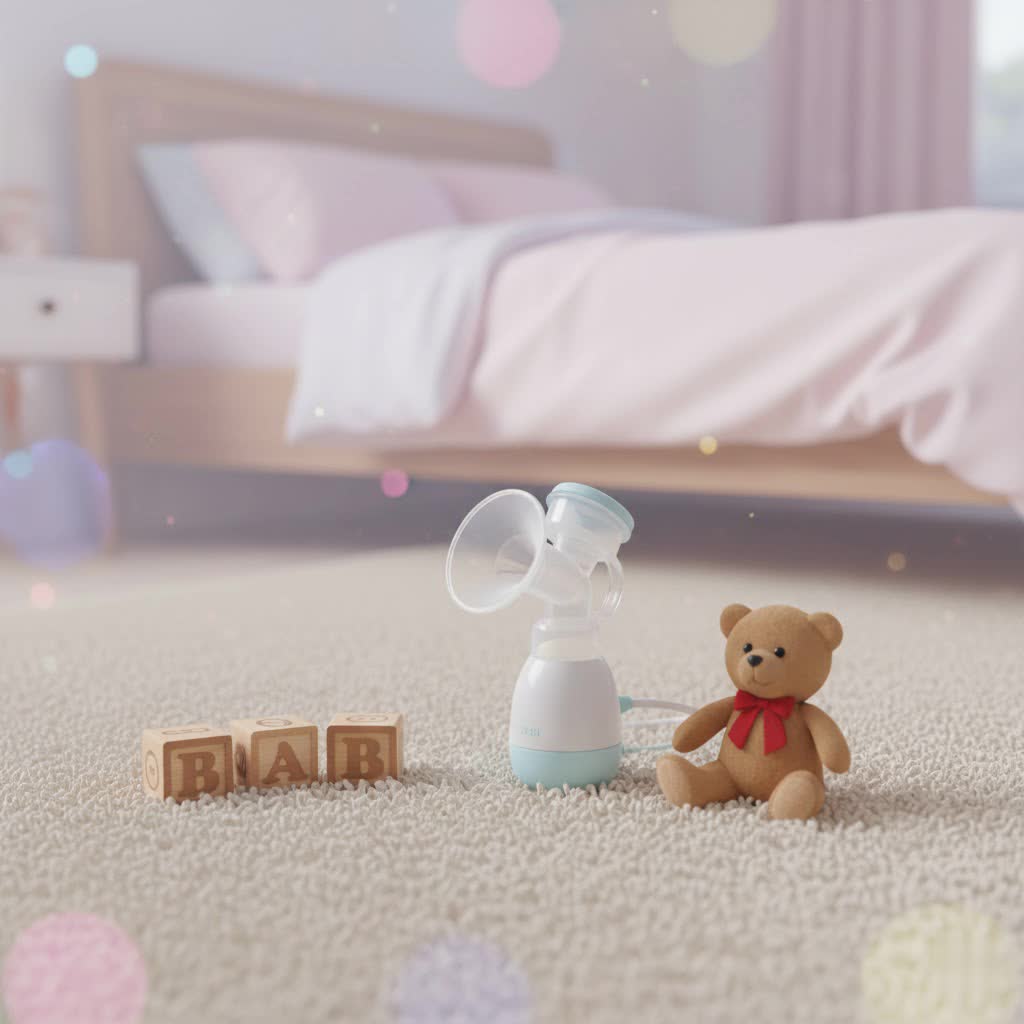
For many new mothers, the journey of breastfeeding and pumping can feel like a delicate dance between nourishing their baby and managing a busy life. Traditional breast pumps, while effective, often tether mothers to an outlet, limiting their mobility and making multitasking a challenge. This is where the wearable electric breast pump steps in, offering a revolutionary solution for modern parents seeking flexibility, discretion, and efficiency in their milk expression routine. Imagine being able to pump milk while working, doing chores, or even enjoying a quiet moment, all without visible bottles or tangled tubes. Wearable electric breast pumps have transformed this vision into reality, empowering mothers to maintain their milk supply on their own terms.
Understanding Popular Breast Pump Types
Before diving deep into the world of wearable electric breast pumps, it’s helpful to understand the landscape of pumping options available today. For browse all breast pump articles on this site.
- Manual Breast Pumps: These pumps are hand-operated and require manual squeezing to create suction. They are typically lightweight, portable, and affordable, ideal for occasional use or for relieving engorgement. Brands like Elvie Curve offer a hands-free manual option that fits inside a bra, using suction without a motor.
- Electric Single Breast Pumps: These devices use an electric motor to create suction, allowing for milk expression from one breast at a time. They are more efficient than manual pumps but still require a power source and can limit mobility.
- Electric Double Breast Pumps: Designed for simultaneous pumping from both breasts, these models are highly efficient and can significantly reduce pumping time. They are often recommended for mothers who need to pump regularly to establish or maintain their milk supply. Like single electric pumps, they generally require a power outlet, though some portable versions exist.
- Wearable Electric Breast Pumps: These innovative, compact devices fit discreetly inside your bra, allowing for hands-free and often cord-free pumping. They are battery-powered, making them highly portable and ideal for mothers who need to pump on the go or while multitasking.
Detailed Comparison: Wearable vs. Traditional Electric Breast Pumps
Choosing between a wearable and a traditional electric breast pump often comes down to lifestyle, pumping frequency, and individual priorities.
| Feature | Wearable Electric Breast Pump | Traditional Electric Breast Pump |
|---|---|---|
| Mobility | High: Fits in bra, hands-free, often no tubes. Ideal for multitasking and on-the-go pumping. | Limited: Often tethers to an outlet with tubes and external bottles. |
| Discretion | High: Designed to be quiet and fit discreetly under clothing, allowing for pumping in public or at work. | Moderate to Low: Can be bulky, noisy, and more noticeable. |
| Suction Power | Moderate to Strong: Generally powerful enough for regular use, though some may be less potent than hospital-grade traditional pumps. | Strong to Very Strong: Often provides higher, more consistent suction, ideal for establishing supply. |
| Milk Output | May yield slightly less milk than traditional pumps for some users, typically around 11% less. | Generally provides higher milk output and fuller breast emptying. |
| Noise Level | Typically quiet (e.g., under 45 dB), suitable for discreet pumping in various settings. | Varies: Some models can be quite noisy. |
| Portability | Excellent: Lightweight, compact, battery-powered for easy transport. | Variable: Some portable versions exist, but often bulkier with more parts. |
| Ease of Use | Generally user-friendly, though some may have a learning curve for assembly and fit. | Can be straightforward, but setup with multiple parts and tubing may be more involved. |
| Cleaning | Can have several small parts requiring thorough cleaning after each use. Some components may be dishwasher-safe. | Varies by model; often has multiple parts that need regular cleaning and sterilization. |
| Price | Can be more expensive than basic traditional pumps. | Wide range, from budget-friendly to high-end hospital-grade options. |
| Battery Life | Crucial feature; look for long-lasting batteries and quick recharge times. | Primarily relies on AC power; portable versions have varying battery lives. |
| Best For | Mothers seeking flexibility, discretion, and moderate to frequent pumping on the go. | Mothers who need to establish or maintain a strong milk supply, exclusive pumpers, or those prioritizing maximum output. |
Guiding Your Choice: How to Select the Perfect Wearable Breast Pump
Selecting the right wearable electric breast pump involves weighing several factors to ensure it aligns with your unique lifestyle and needs.
Identify Your Pumping Needs
|
Our Picks for the Best Breast Pump in 2026
As an Amazon Associate I earn from qualifying purchases.
|
||
| Num | Product | Action |
|---|---|---|
| 1 | Paruu Hands Free Breast Pump P16, Wearable Breast Pump Electirc Portable with 4 Modes & 12 Levels, Max 309mmHg Strong Suction 19/21/24mm Flange Inserts Wearable Breastfeeding Pump, 2 Pack(Nude |

|
| 2 | Momcozy Breast Pump V1 Pro Hospital-Grade, Hands-Free & Portable Wearable Pump, Upgraded Electric Pump with 3 Fine-Tuned Rhythms-15 Levels, Come with Leak-Proof DoubleFit Flange, Cozy Red. |
|
| 3 | Momcozy Wearable Breast Pump, Hands Free Upgraded Mobile Flow - M9, App Discreet Control with Personalized Multi-Modes & 15 Levels, Wearable Breast Pump 24mm, 2 Pack Cozy Red |
|
| 4 | Hands Free Breast Pump, Wearable Breastfeeding Pump with 4 Mode & 9 Level, Strong Suction, Painless, Anti-Backflow, BPA Free, Portable Electric Breast Pumps with 17/19/21/24MM Flanges |
|
| 5 | Momcozy M5 Smart APP Controlled Wearable Breast Pump, Hands-Free Wireless Electric Pump, 3 Modes 9 Suction Levels, BPA-Free, Portable Lightweight, 24mm Flange, 2-Pack Cozy Red |
|
| 6 | NCVI Electric Breast Pump 8782, Portable Hospital-Grade Double Pump with 4 Modes & 9 Levels, Anti-Backflow, Rechargeable Quiet Breastfeeding Pump for Efficient Comfortable Use at Home, Work or Travel |
|
| 7 | Momcozy M5 Lite Hands-Free Wearable Breast Pump, DoubleFit Flange for Baby-Like Comfort, 3 Modes & 9 Suction Levels, No Flange Insert or Hard Carry Case, 24mm, 2-Pack, Cozy Red |
|
| 8 | Momcozy M5 Smart APP Controlled Wearable Breast Pump, Hands-Free Wireless Electric Pump, 3 Modes 9 Suction Levels, BPA-Free, Portable Lightweight, 24mm Flange, 2-Pack Quill Gray |
|
| 9 | Hands Free Breast Pump Wearable MY-375 - Strong Suction, Low Noise, Wearable Breastfeeding Pump with 4 Mode &12 Levels, Portable Electric Breast Pump 24mm - 19/21/Insert/Flange, 2 Pack (White) |
|
| 10 | Lulia Double Electric Breast Pump, Breastfeeding Pump 4 Modes & 9 Levels, Low Noise, Anti-Backflow & LED Display, BPA Free, Portable Breast Pumps with 24mm Flange |
|
- Frequency and Location: How often will you pump? Will you be primarily at home, at work, or on the go? If you need to pump frequently or exclusively, consider a pump with robust suction and a comfortable fit for extended use. For occasional pumping, a simpler, more budget-friendly option might suffice.
- Purpose: Are you building a milk stash, maintaining supply while separated from your baby, or simply relieving engorgement? If you’re establishing your supply, it’s often recommended to start with a traditional double-electric pump before transitioning to a wearable for on-the-go convenience.
- Budget: Wearable pumps vary widely in price. Determine your comfortable spending range and explore options that offer the best value within that budget.
Essential Features to Consider
- Comfort and Fit: This is paramount. Look for pumps with adjustable settings and soft, flexible flanges that conform to your breast shape. The correct flange size is vital to prevent pain and ensure effective milk expression. Many brands offer nipple sizers or multiple flange sizes.
- Suction Power and Modes: Effective milk expression requires adequate suction. Look for pumps with multiple suction levels and patterns that can mimic a baby’s natural feeding rhythm. Some pumps offer a “hospital-grade” strength for more powerful suction.
- Discretion and Noise Level: A key advantage of wearable pumps is their ability to pump discreetly. Check reviews for noise levels; quieter pumps (typically under 45 dB) are ideal for public spaces or work.
- Portability and Battery Life: Opt for lightweight, compact designs that fit easily into your bag or bra. A long-lasting rechargeable battery is crucial for on-the-go pumping, as is quick charging capability.
- Ease of Cleaning and Maintenance: Pumping involves cleaning multiple parts. Look for pumps that are easy to disassemble, wash, and sterilize. Dishwasher-safe components can be a significant time-saver. Remember that silicone parts, like valves and membranes, often need regular replacement every few months to maintain optimal performance.
- App Connectivity: Many modern wearable pumps connect to a smartphone app, allowing you to control settings, monitor milk volume, track pumping sessions, and receive reminders. This can enhance the user experience and provide valuable insights into your pumping routine.
- Brand Reputation and Customer Service: Choose reputable brands known for quality and reliable customer support. Good customer service can be invaluable if you encounter issues or need replacement parts.
Top Wearable Electric Breast Pumps Praised by Parents
The market for wearable electric breast pumps is rich with innovative options. Here are some highly-rated models that mothers frequently recommend:
- eufy Wearable Breast Pump S1 Pro: Often lauded as a top overall choice, it offers quiet, powerful suction and a unique heated function for a more comfortable experience. It comes with multiple flange sizes and an intuitive app.
- Elvie Stride 2: Known for its hospital-grade suction and incredible discretion, this pump is ideal for mothers who need strong performance while on the move. Its app-controlled features make customization easy.
- Momcozy S12 Pro: A popular “best value” option, this pump provides impressive suction power comparable to some hospital-grade models, often at a more accessible price point. It features clear cups to monitor milk levels and light-up LED buttons for night pumping.
- Medela Freestyle Hands-Free: Praised for its user-friendly design and quick setup, this pump is lightweight and easy to carry. It includes thoughtful accessories like bottles and contoured ice packs for milk transport.
- Elvie Pump: Renowned for being exceptionally small, slim, light, and whisper-quiet (around 32 dB), making it highly discreet for public pumping. It features an auto shut-off function when collection cups are full.
- Lansinoh Discreet Duo Wearable Pump: This pump lives up to its name with quiet operation and effective milk expression. It offers multiple modes and suction strengths, with easy-to-read digital display controls.
Proper Usage and Cleaning for Your Wearable Breast Pump
Maximizing your wearable breast pump’s effectiveness and ensuring hygiene involves correct usage and meticulous cleaning.
Using Your Wearable Breast Pump
- Assembly: Always refer to your pump’s manual for specific instructions. Ensure all parts are clean, dry, and securely assembled before each use. Incorrect assembly is a common cause of suction issues or leaks.
- Flange Fit: Use the correct flange size for your nipples. The nipple should be centered in the tunnel without excessive rubbing or discomfort. A proper fit is crucial for comfort and efficient milk extraction.
- Positioning: Place the pump securely within your bra, ensuring a good seal around your breast.
- Settings: Start with a gentle stimulation mode to encourage let-down, then switch to an expression mode with suction levels that are comfortable yet effective. Avoid excessively high suction, which can cause pain or damage.
- Pumping Duration: Typical pumping sessions last 15-20 minutes, or until your breasts feel empty. Adjust as needed based on your milk flow and body’s response.
- Monitoring: While pumping, periodically check milk flow and ensure the collection cups aren’t overfilling to prevent leaks. Many app-connected pumps offer real-time monitoring.
Cleaning and Storage
- Disassemble Immediately: After each pumping session, disassemble all pump parts that come into contact with milk.
- Rinse: Rinse all parts under cold running water to remove milk residue.
- Wash: Wash parts in hot, soapy water using a dedicated brush, then rinse thoroughly. Some parts may be dishwasher-safe—check your manual.
- Sterilize: Regularly sterilize pump parts using boiling water, steam sterilizers, or sterilization bags, especially for newborns or premature infants.
- Dry: Allow all parts to air dry completely on a clean paper towel or drying rack. Moisture can harbor bacteria and affect suction.
- Storage: Once dry, store assembled or disassembled pump parts in a clean, covered container or bag to protect them from contaminants. Always store the main pump motor separately.
- Battery Care: Keep your wearable pump charged. Use the original charger and avoid letting the battery completely drain to prolong its life.
Common Wearable Breast Pump Issues and Their Solutions
Even with the best wearable pump, you might encounter some common challenges. Understanding these and knowing how to troubleshoot can save you stress.
- Low Milk Output:
- Solution: Ensure correct flange size (measure your nipples after pumping). Try power pumping (frequent, short pumping sessions). Apply warm compresses before or during pumping. Hydrate well and maintain a healthy diet. Work with a lactation consultant if issues persist, as wearable pumps can sometimes yield less milk than traditional ones.
- Nipple Pain:
- Solution: This is often due to an incorrect flange size or suction settings that are too high. Re-measure your nipples to ensure the flange is 2-3mm larger than your nipple diameter. Start with the lowest suction setting and gradually increase until comfortable.
- Milk Leaks:
- Solution: Double-check that all pump components are securely assembled and form a proper seal. Inspect valves, membranes, and other silicone parts for wear and tear; replace them regularly (typically every 3 months). Ensure your nipple is centered in the flange.
- Pump Not Suctioning or Weak Suction:
- Solution: Verify the pump is fully charged. Check all parts for correct assembly, making sure there are no gaps or misalignments. Inspect silicone parts (diaphragms, duckbill valves) for tears or damage. A damaged valve is a frequent culprit for weak suction. If the motor seems unresponsive, contact customer support.
- Battery Issues:
- Solution: Always use the original charger. Avoid leaving the pump on the charger indefinitely once full. If the battery indicator is unreliable, track charging times manually. Carry a backup power bank for extended periods away from an outlet.
“Wearable pumps offer unparalleled freedom, but remember that optimal milk output still relies on a perfect fit and consistent breast emptying. If you’re struggling, don’t hesitate to seek guidance from a lactation consultant.” – Jessica Madden, M.D., FAAP, IBCLC, Medical Director of Aeroflow Breastpumps
Where to Purchase Reliable Wearable Electric Breast Pumps
When you’re ready to invest in a wearable electric breast pump, several trusted avenues ensure you receive a genuine product with warranty support.
- Authorized Online Retailers: Major e-commerce platforms like Amazon, Target, and Walmart often carry a wide selection of reputable wearable breast pump brands. Always verify the seller is authorized to avoid counterfeit products.
- Direct from Brand Websites: Purchasing directly from the manufacturer’s website (e.g., Elvie.com, Momcozy.com, eufy.com) guarantees authenticity and direct access to customer service and warranty claims.
- Specialty Baby Stores: Local or online baby stores often have knowledgeable staff who can help you compare models and ensure proper flange sizing.
- Insurance Coverage: Many health insurance plans are required to cover the cost of a breast pump. Contact your insurance provider or a specialized breast pump supplier (like Pumps for Mom or Aeroflow Breastpumps) to understand your benefits and available options. You may need a prescription from your OB/GYN.
Always purchase a new pump designed for individual use to prevent bacterial contamination and ensure you have access to the manufacturer’s warranty and support.
Conclusion
Wearable electric breast pumps represent a significant leap forward in empowering mothers to maintain their breastfeeding journey with greater freedom and convenience. Their discreet, hands-free design allows for seamless integration into even the busiest schedules, transforming pumping from a stationary chore into a flexible part of daily life. While they offer immense benefits, choosing the right model involves careful consideration of comfort, suction power, portability, and ease of cleaning. By understanding your specific needs and leveraging the innovative features available, you can find a wearable pump that truly enhances your experience. Embrace the flexibility these devices offer, but always prioritize proper fit and consistent use to support your milk supply.
What aspects of hands-free pumping are most appealing to you, and how do you envision a wearable pump changing your daily routine?
Frequently Asked Questions
Are wearable breast pumps as effective as traditional pumps for milk supply?
Wearable breast pumps are highly convenient but may sometimes yield slightly less milk than powerful double-electric plug-in pumps. For mothers exclusively pumping or establishing supply, a traditional pump might be recommended first, with a wearable as a secondary, on-the-go option.
How often should I clean my wearable breast pump?
All parts of your wearable breast pump that come into contact with breast milk should be disassembled and cleaned after each use. Sterilization should be done regularly, especially for newborns or if your baby is premature.
Can I wear a wearable breast pump with any bra?
Most wearable breast pumps are designed to fit comfortably inside a standard nursing or regular bra. Some brands recommend specific pumping bras for optimal fit and discretion, but many work well with existing comfortable bras.
What is the typical battery life of a wearable electric breast pump?
Battery life varies by model and suction settings, but many wearable electric breast pumps offer 2 to 4 hours of pumping time on a single charge. It’s always advisable to keep your pump fully charged before each use.
What flange size do I need for my wearable breast pump?
The correct flange size is crucial for comfort and efficiency. You’ll need to measure your nipple diameter after a pumping session and choose a flange that is 2-3mm larger. Many wearable pumps come with a nipple sizer or multiple flange sizes.
Get our weekly buyer guide
Practical specs, not advice. Unsubscribe anytime.
