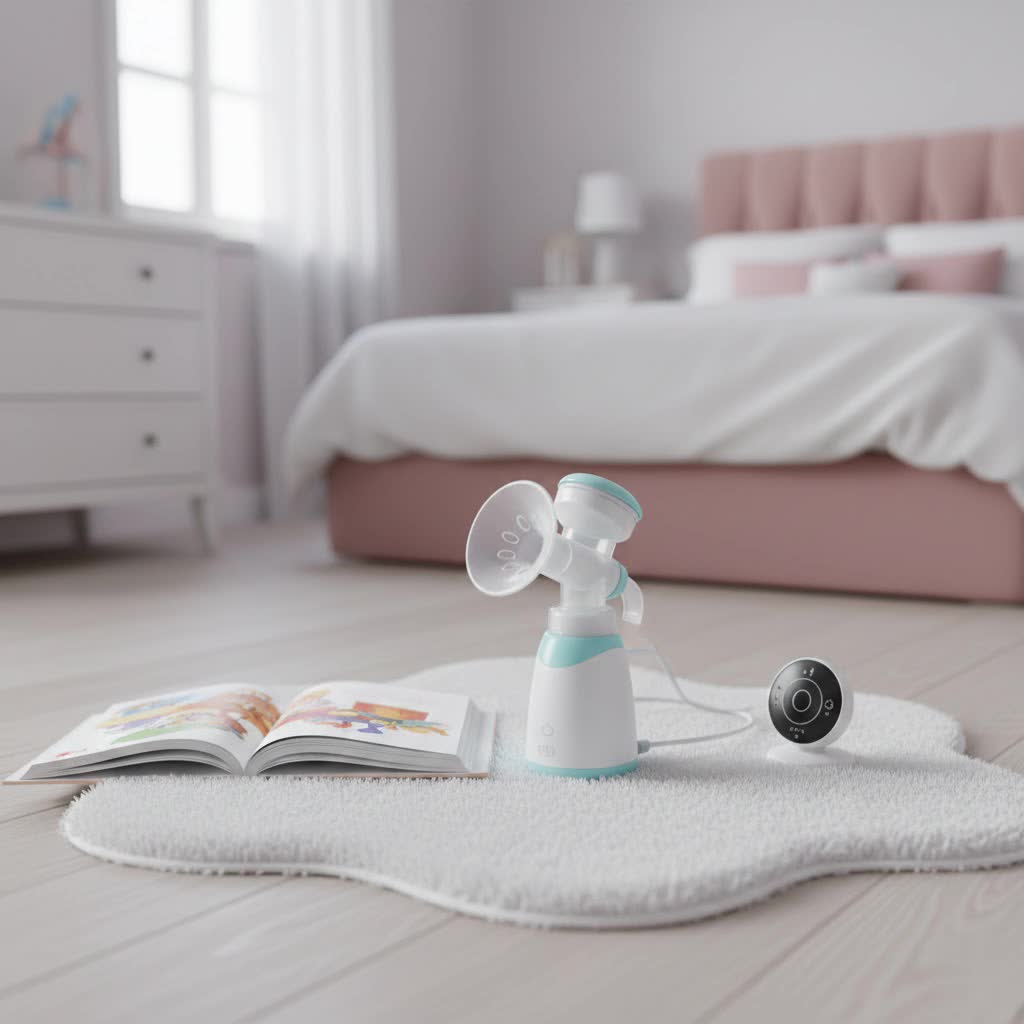
The journey of motherhood is filled with profound moments, and for many, providing breast milk is a cornerstone of this experience. Whether you’re returning to work, managing milk supply, or simply seeking flexibility, a reliable breast pump can be an invaluable companion. Choosing the right breast pump, however, can feel overwhelming with the array of options available. This comprehensive guide will walk you through everything you need to know about selecting, effectively using, and meticulously caring for your breast pump, ensuring a smoother and more confident breastfeeding journey.
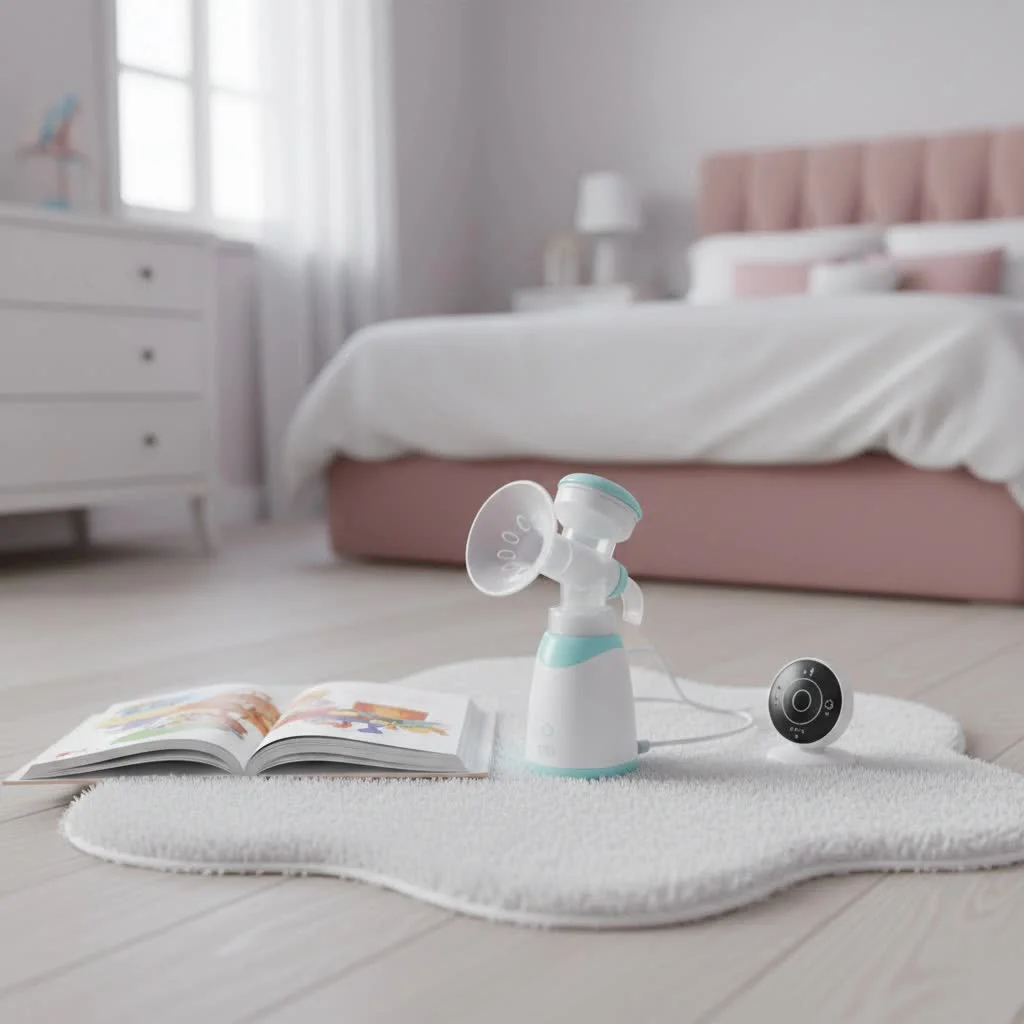
Common Types of Breast Pumps
Navigating the world of breast pumps begins with understanding the fundamental types available. Each offers distinct advantages tailored to various lifestyles and pumping needs.
- Manual Breast Pumps: These hand-operated devices are characterized by their affordability, portability, and quiet operation. Ideal for occasional pumping sessions, relieving engorgement, or as a convenient backup, manual pumps allow you to control the suction strength and rhythm manually. However, they demand more physical effort and may not be as efficient for frequent, high-volume expression.
- Electric Breast Pumps: Powered by electricity or batteries, electric pumps are a popular choice for regular and frequent use due to their efficiency.
- Single Electric Pumps allow you to pump from one breast at a time, offering focused expression.
- Double Electric Pumps enable simultaneous pumping from both breasts, significantly reducing pumping time and often promoting a better milk supply. Many electric models come with adjustable suction levels and speed settings, mimicking a baby’s natural feeding patterns.
- Wearable/Hands-Free Breast Pumps: Designed for discretion and mobility, these innovative pumps fit directly inside your bra, allowing you to pump on the go or while multitasking. Wearable pumps vary in design, with some being all-in-one units and others featuring a small external motor connected by tubing. They offer unparalleled convenience for busy parents but can sometimes offer less powerful suction compared to traditional electric pumps, making them often better suited as a secondary pump for occasional use.
- Hospital-Grade Breast Pumps: These are the most powerful and durable pumps, often rented from hospitals or medical supply stores. They are designed for heavy, multi-user use (with individual accessory kits) and are highly effective for establishing and maintaining milk supply, particularly for mothers of premature babies or those facing specific medical challenges. While incredibly efficient, they are typically larger, less portable, and more expensive than personal-use pumps.
Detailed Comparison of Breast Pump Types
Understanding the nuances between different breast pump types is crucial for making an informed decision. Here’s a comparative overview:
| Feature | Manual Pump | Electric Single Pump | Electric Double Pump | Wearable/Hands-Free Pump | Hospital-Grade Pump |
|---|---|---|---|---|---|
| Pros | Affordable, portable, quiet, control, good for occasional use/backup. | More efficient than manual, adjustable settings. | Highly efficient, time-saving, good for regular use. | Discreet, portable, allows multitasking. | Most powerful, highly efficient, durable for frequent use. |
| Cons | Requires physical effort, less efficient for frequent use. | Slower than double, less time-efficient. | Less portable than manual/wearable (often). | May be less powerful for some, higher cost, can be bulky. | Expensive (often rented), bulky, less portable. |
| Price Range | Low | Medium | Medium to High | High | Very High (often rental) |
| Noise Level | Very Low | Low to Medium | Medium | Low to Medium | Medium to High |
| Portability | Excellent | Good (some battery-operated) | Moderate (some portable models) | Excellent | Poor (large, heavy) |
| Best For | Occasional pumping, travel, backup. | Regular single-breast pumping. | Frequent, regular, efficient pumping. | Pumping on the go, multitasking, discreet use. | Establishing supply, medical needs, exclusive pumpers. |
Guide to Choosing the Right Breast Pump
Selecting the ideal breast pump involves a personalized assessment of your needs and preferences. There isn’t a one-size-fits-all solution, but by considering these factors, you can narrow down your choices.
Assess Your Usage Needs and Lifestyle
|
Our Picks for the Best Breast Pump in 2026
As an Amazon Associate I earn from qualifying purchases.
|
||
| Num | Product | Action |
|---|---|---|
| 1 | Lulia Double Electric Breast Pump, Breastfeeding Pump 4 Modes & 9 Levels, Low Noise, Anti-Backflow & LED Display, BPA Free, Portable Breast Pumps with 24mm Flange |

|
| 2 | NCVI Electric Breast Pump 8782, Portable Hospital-Grade Double Pump with 4 Modes & 9 Levels, Anti-Backflow, Rechargeable Quiet Breastfeeding Pump for Efficient Comfortable Use at Home, Work or Travel |
|
| 3 | Momcozy Wearable Breast Pump, Hands Free Upgraded Mobile Flow - M9, App Discreet Control with Personalized Multi-Modes & 15 Levels, Wearable Breast Pump 24mm, 2 Pack Cozy Red |
|
| 4 | Hands Free Breast Pump Wearable MY-375 - Strong Suction, Low Noise, Wearable Breastfeeding Pump with 4 Mode &12 Levels, Portable Electric Breast Pump 24mm - 19/21/Insert/Flange, 2 Pack (White) |
|
| 5 | Momcozy Breast Pump V1 Pro Hospital-Grade, Hands-Free & Portable Wearable Pump, Upgraded Electric Pump with 3 Fine-Tuned Rhythms-15 Levels, Come with Leak-Proof DoubleFit Flange, Cozy Red. |
|
| 6 | Hands Free Breast Pump, Wearable Breastfeeding Pump with 4 Mode & 9 Level, Strong Suction, Painless, Anti-Backflow, BPA Free, Portable Electric Breast Pumps with 17/19/21/24MM Flanges |
|
| 7 | Paruu Hands Free Breast Pump P16, Wearable Breast Pump Electirc Portable with 4 Modes & 12 Levels, Max 309mmHg Strong Suction 19/21/24mm Flange Inserts Wearable Breastfeeding Pump, 2 Pack(Nude |
|
| 8 | Momcozy M5 Smart APP Controlled Wearable Breast Pump, Hands-Free Wireless Electric Pump, 3 Modes 9 Suction Levels, BPA-Free, Portable Lightweight, 24mm Flange, 2-Pack Cozy Red |
|
| 9 | Momcozy M5 Smart APP Controlled Wearable Breast Pump, Hands-Free Wireless Electric Pump, 3 Modes 9 Suction Levels, BPA-Free, Portable Lightweight, 24mm Flange, 2-Pack Quill Gray |
|
| 10 | Momcozy M5 Lite Hands-Free Wearable Breast Pump, DoubleFit Flange for Baby-Like Comfort, 3 Modes & 9 Suction Levels, No Flange Insert or Hard Carry Case, 24mm, 2-Pack, Cozy Red |
|
Your daily routine and pumping frequency are key determinants.
- Pumping Frequency: If you plan to pump occasionally (a few times a week), a manual pump or a portable single electric might suffice. For mothers returning to work, building a milk stash, or managing supply, a double electric breast pump is generally more efficient and recommended for regular, frequent use. Exclusive pumpers, who rely solely on a pump to feed their baby, often benefit most from a powerful double electric or even a hospital-grade pump to maintain supply.
- Location: Consider where you’ll be pumping. For home use, size and weight might be less critical. For pumping at work or on the go, portability, quiet operation, and battery life become essential features. Wearable pumps excel in discretion and mobility.
Budget and Insurance Coverage
Breast pump prices vary significantly. Manual pumps are the most economical, while advanced electric and wearable models can be a substantial investment. Always check with your health insurance provider, as many plans cover the cost of a breast pump, often providing options for either rental or purchase. Understanding your coverage can significantly influence your choice.
Essential Features to Consider
Beyond the basic type, specific features can enhance your pumping experience.
- Adjustable Settings: Look for pumps with adjustable suction levels and speed cycles. The ability to customize these settings helps mimic your baby’s natural feeding rhythm (a fast, light “stimulation” phase followed by a slower, stronger “expression” phase), which can improve comfort and milk output.
- Flange Size: The breast shield, or flange, is the cone-shaped cup that fits over your nipple and areola. A correct flange fit is paramount for comfort and efficiency. An ill-fitting flange can cause pain, nipple damage, and decrease milk expression. Your nipple should be centered and move freely within the tunnel without rubbing. Many pumps come with standard sizes, but you can often purchase alternative sizes. Consulting a lactation consultant for proper sizing is highly recommended.
- Closed System: A closed-system breast pump has a barrier that prevents milk from flowing back into the pump’s tubing or motor. This design makes the pump more hygienic, easier to clean, and helps prevent contamination. Open-system pumps, while sometimes more affordable, require more diligent cleaning and carry a higher risk of mold or bacteria in the tubing.
- Portability & Power Source: If you need to pump away from home, consider a lightweight model with a rechargeable battery or a reliable car adapter.
- Noise Level: A quieter pump can be a significant advantage if you plan to pump in shared spaces or during the night without disturbing others.
- Additional Features: Some pumps offer backflow protection, memory settings to recall your preferred cycles, built-in timers, night lights, or smart app connectivity for tracking sessions.
Research Reputable Brands and User Reviews
Leading breast pump brands such as Medela, Spectra, Philips Avent, Elvie, and Momcozy consistently receive high praise. Delve into user reviews and testimonials for real-world insights into comfort, durability, and efficiency.
Consult a Lactation Expert
If you’re still unsure, or if you have specific breastfeeding challenges or medical needs, a lactation consultant can provide personalized recommendations and guidance, helping you find the perfect breast pump for your unique situation.
Top Breast Pumps Currently Preferred
The breast pump market is dynamic, with innovations constantly emerging. However, several brands and models consistently rank high among mothers for their performance and reliability.
- Spectra S1/S2 Plus: Widely acclaimed for their quiet operation, hospital-grade strength suction, and comfortable expression, Spectra pumps like the S1 (with a rechargeable battery) and S2 (plug-in) are favorites among exclusive pumpers and those seeking efficient milk expression. They feature customizable settings and a closed system for hygiene.
- Medela Pump in Style with MaxFlow / Medela Freestyle Hands-Free: Medela is a long-standing leader in breastfeeding technology. The Pump in Style with MaxFlow is a popular double electric pump known for its efficiency and Medela’s 2-Phase Expression technology, which mimics a baby’s natural sucking. The Medela Freestyle Hands-Free offers a wearable, double electric option for maximum mobility and discretion. For occasional use, the Medela Harmony Flex manual pump is a highly-rated, budget-friendly choice.
- Elvie Pump / Elvie Stride: Elvie revolutionized the market with its truly silent and discreet wearable pumps. The Elvie Pump is fully wireless and fits into your bra, while the Elvie Stride offers hospital-grade suction in a portable, hands-free design with a small external hub. These are popular for their convenience and ability to pump discreetly anywhere.
- Momcozy Wearable Pumps (e.g., M5, S12 Pro): Momcozy has gained significant popularity for its range of affordable and effective wearable breast pumps. Models like the M5 and S12 Pro are praised for their comfort, decent capacity, and hands-free convenience, making them excellent choices for mothers on the go.
- Motif Luna / Motif Duo: The Motif Luna is a powerful double electric pump known for its efficiency and quiet motor. The Motif Duo offers extreme portability in a compact, lightweight design, making it an excellent option for travel or discreet pumping.
How to Use and Properly Clean a Breast Pump
Proper usage and meticulous cleaning are essential for optimal breast pump performance, milk safety, and your well-being.
Breast Pump Usage
- Read the Manual: Always begin by thoroughly reading your specific breast pump’s instruction manual. Each pump has unique assembly, operation, and troubleshooting guidelines.
- Wash Your Hands: Before handling any pump parts or breast milk, wash your hands thoroughly with soap and water for at least 20 seconds.
- Assemble the Pump: Carefully assemble all clean and dry pump parts according to the manufacturer’s instructions.
- Position the Flange: Place the breast shield (flange) over your breast so that your nipple is centered in the tunnel. The flange should create a comfortable, airtight seal without pinching or causing pain. Adjust if needed; an incorrect flange size is a common cause of discomfort and reduced milk output.
- Start Pumping: For electric pumps, begin with a gentle, faster “stimulation” mode to encourage let-down, mimicking a baby’s initial sucks. Once milk starts flowing, switch to a slower, stronger “expression” mode. Adjust the suction level to what is comfortable and effective for you.
- Pumping Duration: Typically, pump for 10-15 minutes per breast, or until your breasts feel empty and milk flow significantly slows. Double pumping (using a double electric pump) is often more efficient.
- Break the Seal: When finished, gently break the vacuum seal between the flange and your breast with your finger before removing the pump.
- Store Milk: Transfer expressed milk into a sterile storage bottle or bag. Label it with the date and time before refrigerating or freezing.
Cleaning and Sanitizing
Cleaning your breast pump parts immediately after each use is crucial to prevent bacteria buildup and ensure your baby receives safe milk.
-
After Each Use (Basic Cleaning):
- Disassemble: Take apart all pump components that come into contact with breast milk (e.g., flanges, valves, membranes, connectors, bottles).
- Rinse: Rinse each piece under cool, running water as soon as possible to remove milk residue.
- Wash: Wash each piece separately with warm water and a mild dish soap. Use a dedicated brush for pump parts and bottles.
- Rinse Thoroughly: Rinse all parts again under hot, running water for 10-15 seconds.
- Air Dry: Place the clean parts neatly on a clean paper towel or a dedicated drying rack, allowing them to air dry completely. Avoid using cloth towels, which can harbor germs.
- Store: Once thoroughly dry, reassemble the pump or store the dry parts in a clean, covered container.
-
Sanitizing (Daily or Periodically):
Sanitizing provides an extra layer of protection against germs and is particularly important for babies under two months old, those born prematurely, or with compromised immune systems.- Clean First: Always perform basic cleaning (wash and rinse) before sanitizing.
- Boiling: Place disassembled, cleaned parts in a pot of water and bring to a rolling boil for 5 minutes. Remove with clean tongs and allow to air dry completely.
- Steam Sterilizers: Many electric steam sterilizers or microwave steam bags are available for convenient sanitization. Follow the manufacturer’s instructions.
-
Additional Maintenance Tips:
- Replace worn or damaged parts (especially valves and membranes) regularly, as they can impact suction and hygiene.
- Use a dedicated wash basin or bowl for pump parts rather than washing directly in the sink, which can contain germs.
- Avoid touching the inside of clean pump parts or milk collection bottles.
Common Issues and Solutions
Even with the best breast pump, you might encounter minor issues. Knowing how to troubleshoot can save time and frustration.
-
Low or Weak Suction: This is a common concern.
- Check Assembly: Ensure all pump parts, especially valves and membranes, are correctly and securely assembled according to your manual. A small tear or improper placement can drastically affect suction.
- Inspect Parts for Wear: Valves and membranes are delicate and can wear out over time. Replace them regularly (often every 2-3 months for frequent pumpers) if they appear stretched, torn, or thin.
- Ensure Proper Seal: Make sure the breast shield creates a tight, comfortable seal against your breast. Any air leaks will reduce suction.
- Power Source: For electric pumps, check that the unit is fully charged or properly plugged into a functioning power outlet.
-
Pain During Pumping: Pumping should not be painful.
- Incorrect Flange Size: The most frequent cause of pain. Your nipple should move freely within the flange tunnel without rubbing or feeling compressed. If it feels pinched, chafed, or only part of your nipple is drawn in, you likely need a different size. Consult a lactation expert for precise measurement and recommendations.
- High Suction Level: Gradually increase the suction to a comfortable level. Starting with the highest setting can be uncomfortable.
- Engorgement or Clogged Ducts: Apply warm compresses or gently massage your breast before and during pumping to help milk flow and alleviate discomfort.
-
Milk Leakage:
- Improper Flange Fit or Seal: Ensure the flange is creating a firm, comfortable seal against your breast and that it’s the correct size.
- Loose Connections: Check that all collection bottles or bags are securely attached to the pump parts.
- Worn Parts: Damaged valves or membranes can sometimes lead to milk leakage.
-
Pump Not Turning On:
- Power Supply: Verify that the pump is properly plugged into a working outlet or that the battery is sufficiently charged.
- Connections: Ensure all electrical connections are secure.
- Reset: Some pumps have a reset button or require a brief unplugging to reset.
Where to Buy Breast Pumps
Once you’ve determined the best breast pump for your needs, knowing where to purchase it is the next step.
- Maternity and Baby Stores: Local and national baby retailers often have a selection of breast pumps, allowing you to see models in person and receive advice from sales associates.
- E-commerce Platforms: Online giants like Amazon, as well as specialized online retailers such as Aeroflow Breastpumps, offer a vast selection of breast pumps from various brands, often with competitive pricing and detailed customer reviews.
- Official Brand Retailers: Purchasing directly from the manufacturer’s website (e.g., Medela, Spectra, Elvie) ensures you receive an authentic product, access to full warranties, and direct customer support.
- Through Health Insurance: In many countries, health insurance plans cover breast pumps. Contact your insurance provider to understand your benefits, including whether you can rent or purchase a pump, which models are covered, and any necessary documentation like a prescription from your healthcare provider.
Conclusion
The journey of providing breast milk is a testament to a mother’s dedication, and a reliable breast pump serves as a crucial ally. From understanding the diverse types available to meticulously selecting one that aligns with your lifestyle, and from mastering proper usage to ensuring rigorous hygiene, every step contributes to a successful and comfortable experience. Prioritizing comfort, efficiency, and safety will empower you to make an informed decision, fostering a positive and enriching pumping journey for both you and your baby.
Which breast pump features matter most to you in your unique motherhood journey?
Get our weekly buyer guide
Practical specs, not advice. Unsubscribe anytime.

As a first-time mom, I had no idea where to start with breast pumps. The breakdown of different types, especially the part about hospital-grade pumps for establishing supply, was incredibly informative. I rented one for the first few weeks, and it made such a difference in getting my milk production up. This guide really covered all the bases.
I appreciate the detailed info, especially about cleaning and care. I’ve been having some issues with my pump losing suction, and the tips on checking the membranes were useful. However, I wish there was a bit more specific advice on troubleshooting common problems like low output, beyond just general maintenance. Still, a good starting point.
I was so overwhelmed trying to figure out which pump to get before my baby arrived. This guide really helped me understand the differences between manual and electric pumps. I ended up going with a Spectra S1 based on the recommendations for working moms, and it’s been a lifesaver for maintaining my supply while I’m at the office. Definitely recommend doing your research!
This was super helpful for a second-time mom like me! I used a Medela with my first, but I was curious about the newer wearable options. The section on hands-free pumping really convinced me to try one out for more flexibility. It’s made such a difference for getting things done around the house while still pumping.