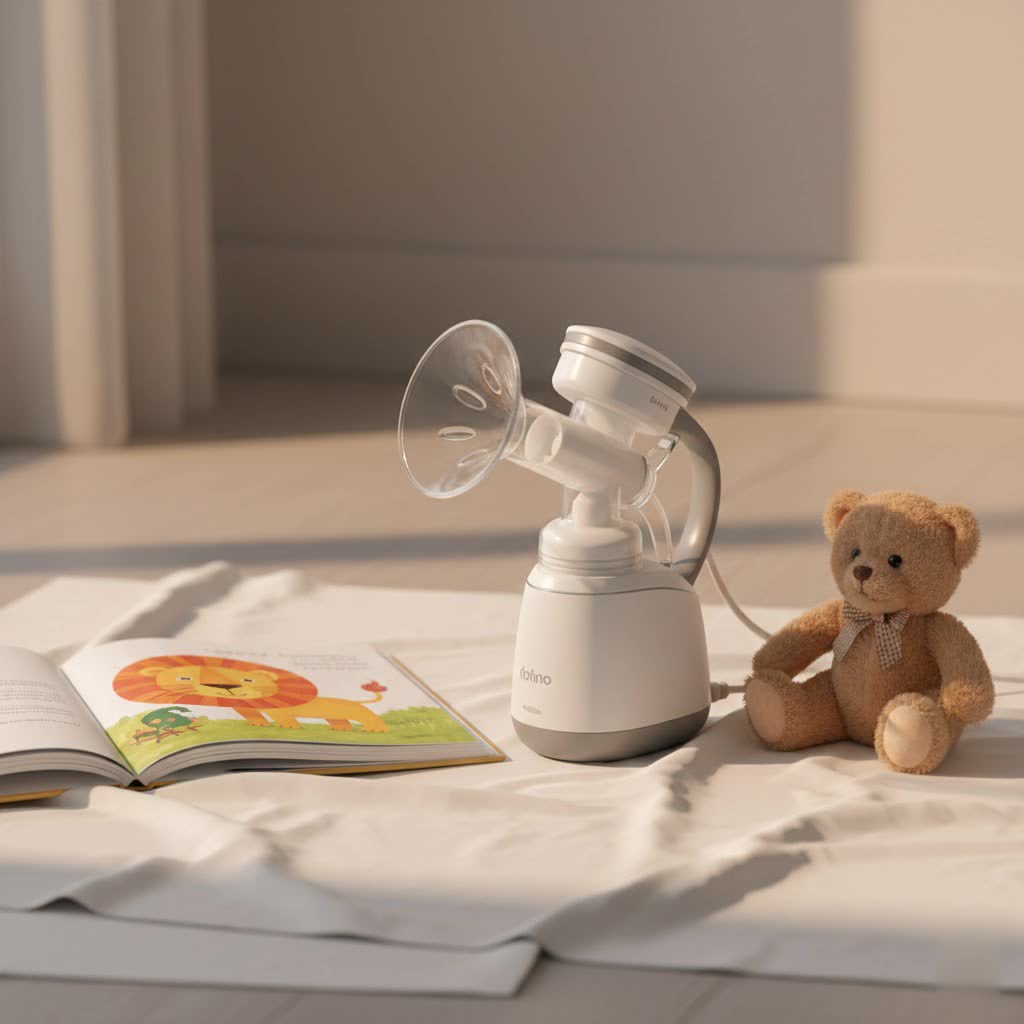
Bringing a new baby into the world is an exhilarating journey, yet it often comes with a many new responsibilities and, for many, financial considerations. For new and expectant mothers, ensuring the best start for their little one often includes breastfeeding, and a reliable breast pump can be an invaluable tool in this process. Fortunately, Medicaid offers vital support, frequently covering the cost of a breast pump, thereby removing a significant financial burden. Understanding how to access this benefit can empower you to focus on nurturing your baby without added stress.
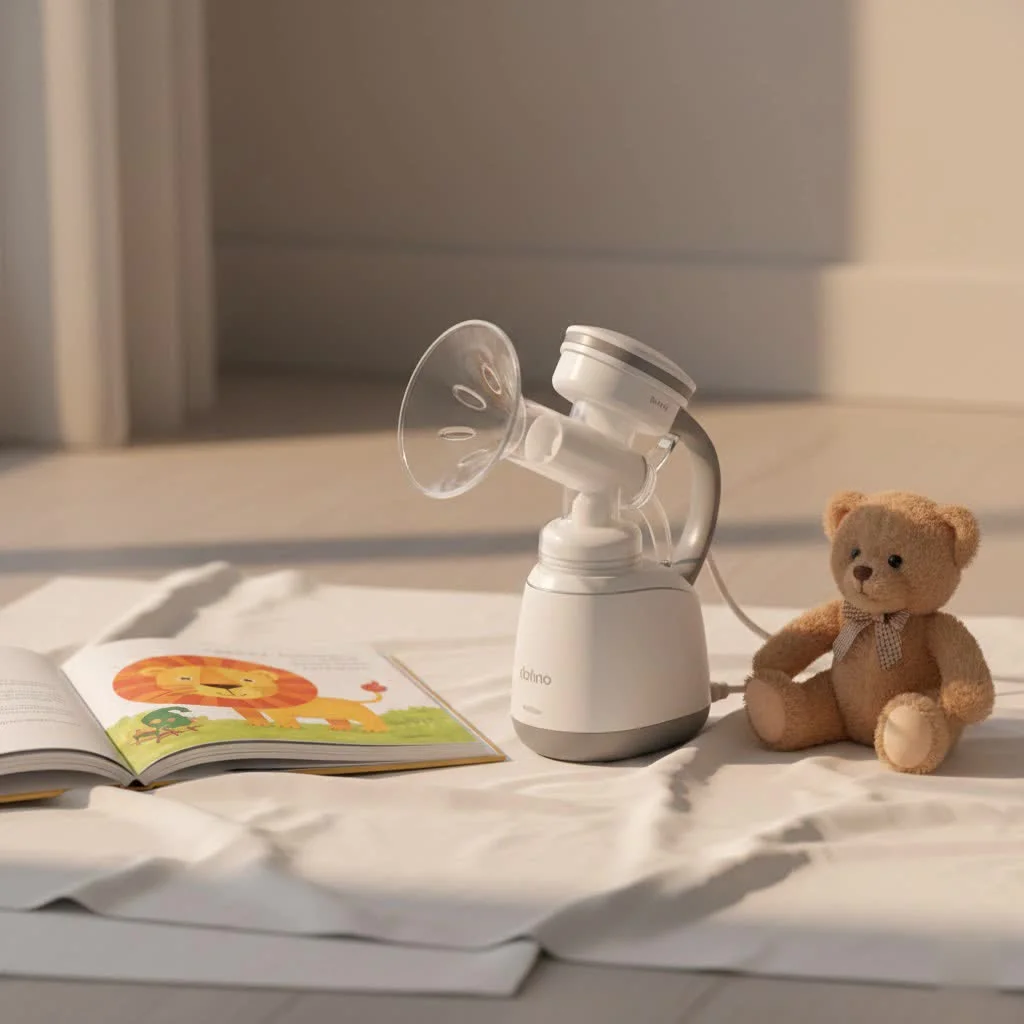
Understanding Medicaid and Breast Pump Coverage
Medicaid, a joint federal and state program, provides health coverage to millions of Americans, including pregnant individuals and new mothers. Recognizing the profound health benefits of breastfeeding for both parent and child, most state Medicaid programs include breast pump coverage. While the Affordable Care Act (ACA) generally mandates that most insurance plans cover breastfeeding supplies, including breast pumps, Medicaid’s specific benefits can vary significantly from state to state and even among different managed care organizations (MCOs) within a state. Despite these variations, the overarching goal remains to support maternal health by making essential tools like breast pumps accessible. For shop curated breast pump on this site.
Types of Breast Pumps Often Covered by Medicaid
When it comes to choosing a breast pump through Medicaid, you’ll find several types generally covered, each designed to meet different needs and lifestyles.
- Manual Breast Pumps: These pumps operate by hand, offering discreet and quiet expression. They are often chosen for occasional pumping or for mothers who prefer a more controlled suction. While less efficient for regular, high-volume pumping, their portability and simplicity make them a good backup option.
- Electric Single Breast Pumps: These powered pumps offer convenience over manual options, but they only express from one breast at a time. They are suitable for mothers who need to pump periodically but do not require high frequency or maximum efficiency.
- Electric Double Breast Pumps: The most commonly covered type, double electric pumps allow you to express milk from both breasts simultaneously, significantly reducing pumping time and often helping to establish and maintain a robust milk supply. These are ideal for mothers returning to work or those needing to pump frequently.
- Hands-Free/Wearable Breast Pumps: Increasingly popular for their discretion and mobility, some hands-free and wearable pumps may also be covered by Medicaid plans, depending on the state and specific plan benefits. These pumps fit directly into your bra, allowing you to pump while multitasking. Brands like Momcozy, Willow, and Elvie offer models that might be eligible.
- Hospital-Grade Breast Pumps: These powerful, multi-user pumps are designed for situations requiring maximum milk expression and supply building, such as for premature babies or infants with feeding difficulties. While Medicaid typically does not cover the purchase of personal hospital-grade pumps, it may cover their rental for a specified period if deemed medically necessary by a healthcare provider.
Eligibility and Requirements for Medicaid Breast Pump Coverage
Navigating the specifics of Medicaid breast pump coverage involves understanding a few key eligibility requirements that can vary by state and individual plan.
First and foremost, a prescription from a healthcare provider is almost always essential. This could be your OB/GYN, pediatrician, or family doctor. The prescription serves as documentation of medical necessity, ensuring you receive the appropriate type of pump for your circumstances. Be sure to discuss your specific needs with your doctor so they can write a prescription that aligns with your plan’s requirements.
Secondly, the timing of acquisition is important. Most Medicaid policies require new parents to wait until after their baby is born to obtain a breast pump. However, some plans may allow you to order the pump closer to your anticipated due date, often within 14 to 60 days prior to delivery. If you find yourself needing a pump immediately after birth and haven’t received yours yet, many hospitals can provide a temporary pump during your stay.
Lastly, state-specific rules play a significant role. While many states generally cover one personal-use breast pump per pregnancy, the exact terms can differ. For instance, some plans might cover a replacement pump if your current one is more than three years old and its manufacturer’s warranty has expired. It’s also if you have already received a breast pump through a program like WIC (Women, Infants, and Children), you might not be eligible to receive another through Medicaid for the same pregnancy.
How to Get Your Breast Pump Through Medicaid: A Step-by-Step Guide
Securing a breast pump through Medicaid can seem daunting, but by following a clear process, you can easily access this valuable benefit.
Step 1: Verify Your Medicaid Benefits
|
Our Picks for the Best Breast Pump in 2026
As an Amazon Associate I earn from qualifying purchases.
|
||
| Num | Product | Action |
|---|---|---|
| 1 | Momcozy M5 Lite Hands-Free Wearable Breast Pump, DoubleFit Flange for Baby-Like Comfort, 3 Modes & 9 Suction Levels, No Flange Insert or Hard Carry Case, 24mm, 2-Pack, Cozy Red |

|
| 2 | Paruu Hands Free Breast Pump P16, Wearable Breast Pump Electirc Portable with 4 Modes & 12 Levels, Max 309mmHg Strong Suction 19/21/24mm Flange Inserts Wearable Breastfeeding Pump, 2 Pack(Nude |
|
| 3 | Momcozy Breast Pump V1 Pro Hospital-Grade, Hands-Free & Portable Wearable Pump, Upgraded Electric Pump with 3 Fine-Tuned Rhythms-15 Levels, Come with Leak-Proof DoubleFit Flange, Cozy Red. |
|
| 4 | Hands Free Breast Pump, Wearable Breastfeeding Pump with 4 Mode & 9 Level, Strong Suction, Painless, Anti-Backflow, BPA Free, Portable Electric Breast Pumps with 17/19/21/24MM Flanges |
|
| 5 | NCVI Electric Breast Pump 8782, Portable Hospital-Grade Double Pump with 4 Modes & 9 Levels, Anti-Backflow, Rechargeable Quiet Breastfeeding Pump for Efficient Comfortable Use at Home, Work or Travel |
|
| 6 | Hands Free Breast Pump Wearable MY-375 - Strong Suction, Low Noise, Wearable Breastfeeding Pump with 4 Mode &12 Levels, Portable Electric Breast Pump 24mm - 19/21/Insert/Flange, 2 Pack (White) |
|
| 7 | Momcozy M5 Smart APP Controlled Wearable Breast Pump, Hands-Free Wireless Electric Pump, 3 Modes 9 Suction Levels, BPA-Free, Portable Lightweight, 24mm Flange, 2-Pack Quill Gray |
|
| 8 | Momcozy Wearable Breast Pump, Hands Free Upgraded Mobile Flow - M9, App Discreet Control with Personalized Multi-Modes & 15 Levels, Wearable Breast Pump 24mm, 2 Pack Cozy Red |
|
| 9 | Lulia Double Electric Breast Pump, Breastfeeding Pump 4 Modes & 9 Levels, Low Noise, Anti-Backflow & LED Display, BPA Free, Portable Breast Pumps with 24mm Flange |
|
| 10 | Momcozy M5 Smart APP Controlled Wearable Breast Pump, Hands-Free Wireless Electric Pump, 3 Modes 9 Suction Levels, BPA-Free, Portable Lightweight, 24mm Flange, 2-Pack Cozy Red |
|
Your first action should be to contact your specific Medicaid plan or Managed Care Organization (MCO) directly. Benefit coverage can vary by state and plan, so confirming your eligibility and understanding what types of pumps are covered is crucial. Ask about the specific brands and models available to you.
Step 2: Obtain a Prescription
Next, you’ll need a prescription from your healthcare provider. This vital document confirms the medical necessity of a breast pump. Your OB/GYN, pediatrician, or family doctor can write this prescription. It’s advisable to request this as early as possible during your pregnancy or shortly after giving birth to ensure everything is in place when you’re ready to pump.
Step 3: Connect with a Durable Medical Equipment (DME) Supplier
Many companies specialize in providing breast pumps through insurance, known as Durable Medical Equipment (DME) suppliers. These suppliers work directly with Medicaid and often streamline the process. They can verify your coverage, handle the necessary paperwork, and help you select a pump that meets your needs and is covered by your plan. Reputable DME partners often include Aeroflow Breastpumps, 1 Natural Way, The Breastfeeding Shop, and Babylist Health.
Step 4: Choose Your Breast Pump
Once your coverage is verified and your prescription is on hand, the DME supplier will present you with the breast pump options available through your specific Medicaid plan. You can then choose the model that best suits your lifestyle and pumping needs.
Step 5: Delivery and Support
After your selection, the DME supplier will typically ship the breast pump directly to your home, often at no cost. Many suppliers also offer ongoing support, including assistance with replacement parts and troubleshooting.
If, for any reason, your Medicaid plan does not cover a breast pump, that programs like WIC often provide breast pumps and breastfeeding support, offering another avenue for assistance.
Choosing the Right Breast Pump for Your Journey
Selecting the ideal breast pump involves considering several factors tailored to your unique circumstances. There isn’t a one-size-fits-all solution, so reflecting on your lifestyle and feeding goals is key.
Your lifestyle plays a significant role. Are you a full-time working parent who needs to pump regularly away from home, or will you be primarily at home, occasionally pumping to build a stash? This will influence whether a portable, efficient double electric pump or a simpler manual pump is best.
Pumping frequency is another critical element. If you plan to pump daily to maintain your milk supply or provide all your baby’s nutrition via pumped milk, a robust double electric pump will be more suitable. For occasional use, such as relieving engorgement or building a small freezer stash, a manual or single electric pump might suffice.
Consider comfort and efficiency. Features like adjustable suction levels, various flange sizes, and quiet operation can significantly enhance your pumping experience. Many DMEs and lactation consultants can help you find the correct flange size, which is crucial for comfort and effective milk expression.
Portability is also a factor. Do you need a pump that runs on batteries or is rechargeable for on-the-go pumping, or will you mostly pump at home where a corded option is fine? Hands-free and wearable pumps offer unparalleled mobility for busy parents. While many Medicaid plans cover standard options, some high-end, feature-rich pumps might fall into an “upgrade” category, potentially requiring an out-of-pocket contribution. Always confirm these details with your DME supplier.
Finally, consulting a lactation consultant can provide personalized advice on pump selection, usage techniques, and maximizing your milk supply, ensuring you choose a pump that truly supports your breastfeeding journey.
Popular Breast Pump Brands Often Covered by Medicaid
Many reputable breast pump brands offer models that are frequently covered by Medicaid plans, providing quality options for mothers. Some of the most common brands you might encounter include:
- Medela: Renowned for its hospital-grade technology and reliable personal-use pumps like the Medela Pump In Style with MaxFlow.
- Spectra: Popular for its quiet operation and comfortable suction, with models like the Spectra S1 Plus and S2 Plus being highly favored.
- Philips Avent: Offers a range of pumps known for their gentle stimulation and user-friendly designs.
- Lansinoh: Provides efficient and comfortable pumping solutions, often including accessories with their pumps.
- Evenflo: Known for its accessible and effective breast pumps that cater to various needs.
- Motif: Offers pumps designed for comfort and efficiency, often featuring massage modes.
- Ameda: Provides customizable pump settings to help mothers find their most comfortable and efficient expression.
- Wearable Brands: Depending on your state and DME supplier, innovative wearable pumps from brands like Momcozy, Willow, or Elvie might also be available, offering discreet and convenient pumping options.
Always that coverage for specific brands and models can vary. Your DME supplier will be able to confirm which options are available through your particular Medicaid plan.
Maximizing Your Pumping Experience: Usage and Maintenance Tips
Once you’ve secured your breast pump, knowing how to use and maintain it properly is essential for an effective and hygienic pumping experience.
Proper Assembly and Use: Always refer to your pump’s instruction manual for specific assembly guidelines. Ensure all parts are correctly connected to prevent loss of suction. The right flange size is critical for comfort and milk output; an improperly sized flange can lead to pain and reduced milk expression. Many DMEs or lactation consultants can help you determine your ideal flange size. Start with a gentle suction level and gradually increase it to a comfortable maximum, avoiding any setting that causes pain.
Establishing and Maintaining Supply: For mothers needing to establish a milk supply, frequent pumping (8-12 times in 24 hours) in the early weeks postpartum is often recommended. If you’re separated from your baby, aiming for a pumping schedule that mimics your baby’s feeding patterns can help maintain your supply. Power pumping, which involves short bursts of pumping and resting, can also be beneficial for increasing milk production.
Cleaning and Sterilization: Hygiene is paramount. All pump parts that come into contact with breast milk should be cleaned after each use. Disassemble all removable parts and wash them with warm, soapy water, then rinse thoroughly. Sterilize pump parts regularly, especially in the early months, by boiling, steaming, or using a sterilizer. Always air-dry parts completely on a clean paper towel or drying rack before storing to prevent bacterial growth.
Storage and Troubleshooting: Store clean, dry pump parts in a clean, enclosed container. For breast milk, use sterile storage bags or bottles and follow safe storage guidelines (room temperature for a few hours, refrigerator for a few days, freezer for several months). If you encounter common issues like weak suction, consult your pump’s manual for troubleshooting tips, check for damaged parts, or contact your DME supplier. Pumping should not be painful; if you experience discomfort, re-evaluate your flange size or seek advice from a lactation consultant.
Where to Find Reliable Support
Your breastfeeding and pumping journey doesn’t have to be navigated alone. Numerous resources are available to provide support and guidance.
Lactation consultants are invaluable experts who can offer personalized advice on latch, milk supply, pump usage, and addressing any challenges you might face. Many are covered by insurance, including some Medicaid plans.
Your Medicaid customer service line is your direct link for specific questions regarding your coverage, approved suppliers, and any unique state requirements. They can clarify the nuances of your plan’s benefits.
Durable Medical Equipment (DME) suppliers are not just providers of pumps; they often have staff knowledgeable about insurance processes and pump operation. Don’t hesitate to reach out to them with questions about your device or coverage.
Finally, online communities and local support groups connect you with other parents who can share experiences, offer encouragement, and provide practical tips. Organizations like La Leche League International also offer free support and resources for breastfeeding parents.
Conclusion
Accessing a breast pump through Medicaid is a fantastic benefit that can significantly ease the financial burden on new mothers, allowing them to fully embrace their breastfeeding journey. By understanding the coverage details, securing a prescription, and working with a qualified DME supplier, you can easily obtain the necessary equipment. that specific requirements vary by state and plan, so proactive verification is always a wise first step. With the right pump and support, you’re well-equipped to provide the best for your baby. What steps will you take today to secure your breast pump and embark on a confident breastfeeding journey?
Frequently Asked Questions
Does Medicaid cover breast pump accessories?
Yes, many Medicaid plans often cover essential breast pump accessories, such as milk storage bags, replacement parts, and sometimes even maternity compression stockings. It’s always best to verify specific accessory coverage directly with your Medicaid provider or DME supplier.
Can I get a hospital-grade breast pump through Medicaid?
Generally, Medicaid does not cover the purchase of hospital-grade breast pumps for personal use. However, these powerful pumps may be available for rental if deemed medically necessary by your healthcare provider, particularly for specific medical conditions or to establish milk supply for a premature infant.
When should I apply for my breast pump through Medicaid?
Most Medicaid policies require you to wait until after your baby is born to obtain a breast pump. Some plans might allow you to order it within a certain window before your due date, often around 14 to 60 days. Consult your plan for exact timing.
What if my state Medicaid doesn’t cover breast pumps?
If your state’s Medicaid plan does not cover a breast pump, you may still have options. The Women, Infants, and Children (WIC) program often provides breast pumps and breastfeeding support services to eligible participants. Contact your local WIC office for details.
Do I need a prescription for a Medicaid breast pump?
Yes, in almost all cases, you will need a prescription from a healthcare provider, such as your OB/GYN, pediatrician, or family doctor, to get a breast pump covered by Medicaid. This prescription typically serves as proof of medical necessity.
Can I get a breast pump for each pregnancy?
Generally, yes, Medicaid typically covers one breast pump per pregnancy. If you have another pregnancy, you will likely be eligible for a new pump, especially since breast pumps are considered single-user devices.
Can I get a wearable breast pump through Medicaid?
Coverage for wearable breast pumps can vary. While traditional electric double pumps are most common, some state Medicaid plans and DME suppliers now offer wearable options from brands like Momcozy, Willow, or Elvie. Check with your specific plan and DME provider to see if these are covered.
Get our weekly buyer guide
Practical specs, not advice. Unsubscribe anytime.

While I appreciate that Medicaid covers breast pumps, I found the selection of pumps available through my specific plan to be a bit limited. I was hoping for a specific brand that wasn’t offered, which was a little disappointing. However, I did get a functional pump, and it was free, so I can’t complain too much.
Getting my breast pump through Medicaid was a lifesaver. I had no idea it was even an option until I read about it. The process was a little confusing at first, but knowing that most state Medicaid programs include breast pump coverage gave me the confidence to keep pushing through the paperwork. Definitely worth it!
This information was exactly what I needed! I was feeling overwhelmed by all the financial considerations that come with a new baby, and the idea of adding a breast pump to that list was stressing me out. Learning about how to access this benefit through Medicaid has really put my mind at ease. Thank you!
I was so relieved to find out about Medicaid covering breast pumps. I was really worried about the cost of a good quality pump, especially with all the other baby expenses. This guide really helped me understand the process and what to expect. It’s such a huge help for new moms like me.