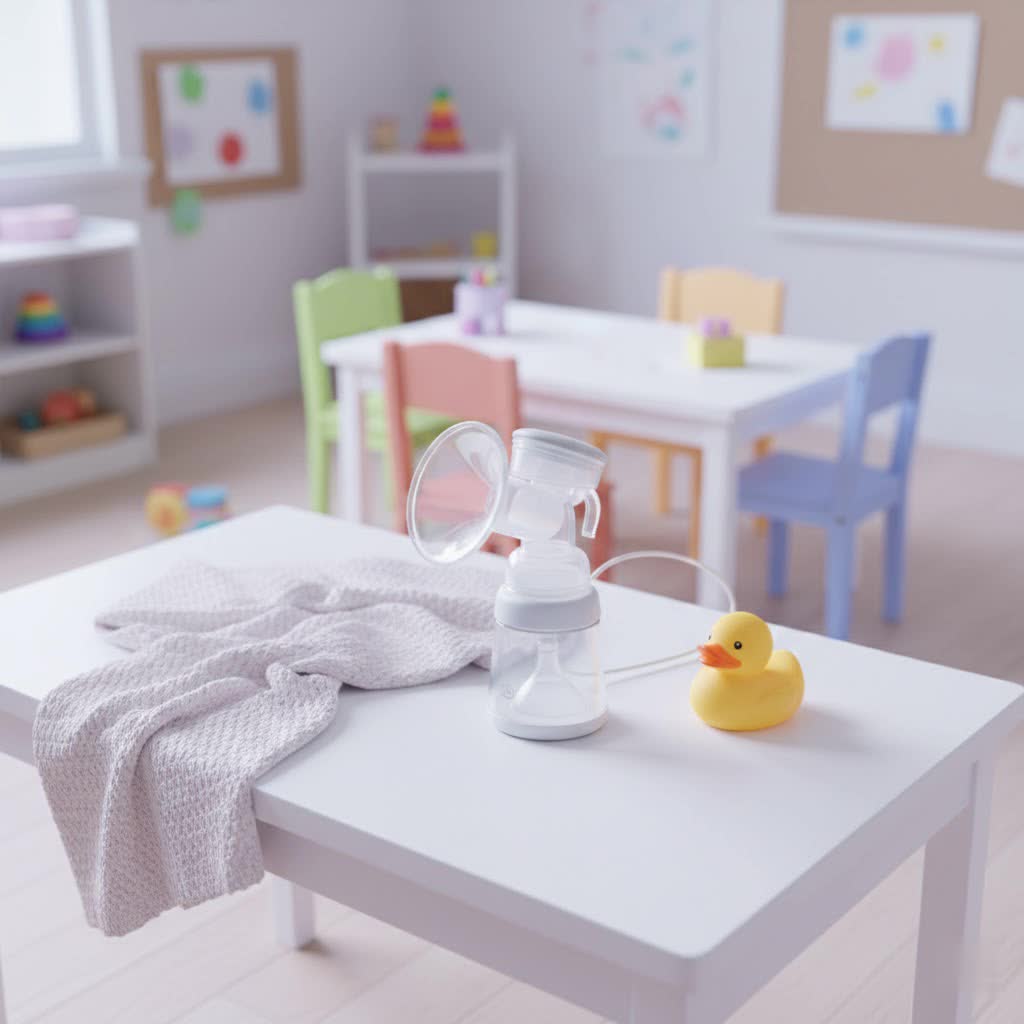
The Medela Harmony Manual Breast Pump is an excellent choice for mothers seeking a portable, discreet, and cost-effective solution for occasional milk expression. Weighing only 105 grams, it features innovative 2-Phase Expression Technology and the PersonalFit Flex breast shield, mimicking a baby’s natural nursing pattern for efficient and comfortable pumping sessions without needing a power source.
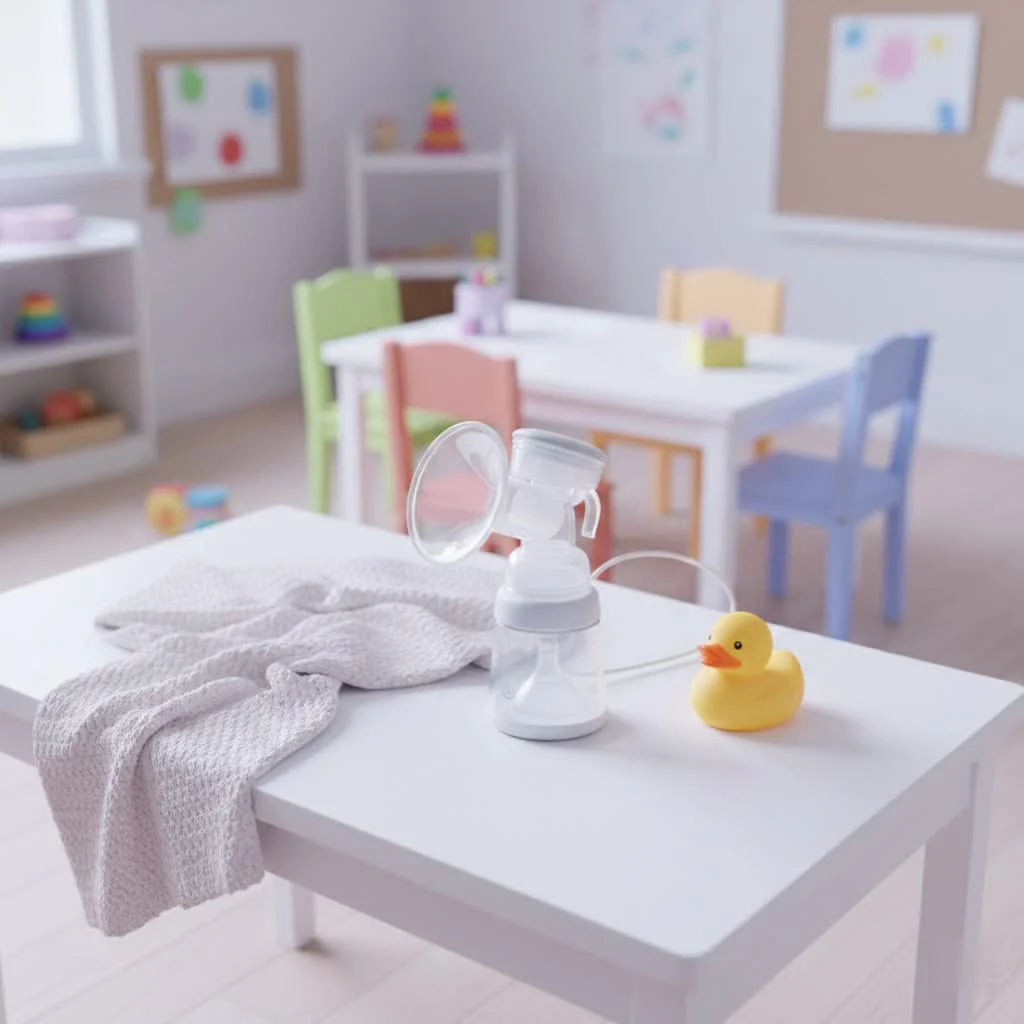
This guide will cover the Medela Harmony’s features, benefits, and how it compares to electric models, helping you make an informed decision for your breastfeeding journey.
Understanding Breast Pumps: A Quick Overview
Breast pumps vary in design to meet diverse needs. Electric pumps, available as single or double models, offer speed and automation, making them ideal for frequent or exclusive pumping. Hands-free pumps provide discretion and mobility. Manual breast pumps, such as the Medela Harmony, are compact, require no power, and give mothers precise control over pumping rhythm. They are perfect for occasional use, travel, or as a reliable backup to an electric pump.
Medela Harmony Manual Breast Pump: Features That Stand Out
The Medela Harmony is highly regarded for its smart design and user-centric features.
2-Phase Expression Technology Explained
A key differentiator for the Medela Harmony is its innovative 2-Phase Expression Technology, which mimics a baby’s natural nursing pattern:
- Stimulation Phase: A baby initially uses short, fast sucks to stimulate milk let-down. The Harmony replicates this with the shorter side of its ergonomic handle, designed for quicker, lighter squeezes.
- Expression Phase: Once milk flows, the baby transitions to slower, deeper sucks for efficient milk intake. The longer side of the Harmony’s handle allows for slower, more sustained pumps, optimizing milk expression.
This intuitive design helps achieve more milk in less time, making pumping sessions more efficient and comfortable.
PersonalFit Flex Breast Shield Benefits
Modern Medela Harmony pumps often include the PersonalFit Flex breast shield, designed for superior comfort and milk yield. Unlike traditional round shields, the PersonalFit Flex features:
- A 105-degree opening angle: This wider angle is clinically proven to reduce pressure on milk ducts, promoting better milk flow.
- Soft, flexible rim: Conforms gently to the breast shape, enhancing comfort during pumping.
- Oval shape with 360-degree rotation: Allows mothers to easily adjust the shield for a personalized and effective fit, reducing discomfort and increasing efficiency.
These improvements contribute to more milk expressed and a more comfortable experience.
Compact, Portable, and Discreet Design
Weighing only 105 grams, the Harmony is incredibly lightweight and compact, making it an ideal companion for mothers on the go. Its small size fits easily into a purse or diaper bag, and with no need for batteries or power outlets, you can pump anywhere, anytime. Its quiet operation further enhances discretion, allowing confident pumping in public or at work.
Ease of Use and Cleaning
|
Our Picks for the Best Breast Pump in 2026
As an Amazon Associate I earn from qualifying purchases.
|
||
| Num | Product | Action |
|---|---|---|
| 1 | Lulia Double Electric Breast Pump, Breastfeeding Pump 4 Modes & 9 Levels, Low Noise, Anti-Backflow & LED Display, BPA Free, Portable Breast Pumps with 24mm Flange |

|
| 2 | Hands Free Breast Pump, Wearable Breastfeeding Pump with 4 Mode & 9 Level, Strong Suction, Painless, Anti-Backflow, BPA Free, Portable Electric Breast Pumps with 17/19/21/24MM Flanges |
|
| 3 | Momcozy M5 Smart APP Controlled Wearable Breast Pump, Hands-Free Wireless Electric Pump, 3 Modes 9 Suction Levels, BPA-Free, Portable Lightweight, 24mm Flange, 2-Pack Cozy Red |
|
| 4 | Momcozy Breast Pump V1 Pro Hospital-Grade, Hands-Free & Portable Wearable Pump, Upgraded Electric Pump with 3 Fine-Tuned Rhythms-15 Levels, Come with Leak-Proof DoubleFit Flange, Cozy Red. |
|
| 5 | Paruu Hands Free Breast Pump P16, Wearable Breast Pump Electirc Portable with 4 Modes & 12 Levels, Max 309mmHg Strong Suction 19/21/24mm Flange Inserts Wearable Breastfeeding Pump, 2 Pack(Nude |
|
| 6 | Hands Free Breast Pump Wearable MY-375 - Strong Suction, Low Noise, Wearable Breastfeeding Pump with 4 Mode &12 Levels, Portable Electric Breast Pump 24mm - 19/21/Insert/Flange, 2 Pack (White) |
|
| 7 | Momcozy Wearable Breast Pump, Hands Free Upgraded Mobile Flow - M9, App Discreet Control with Personalized Multi-Modes & 15 Levels, Wearable Breast Pump 24mm, 2 Pack Cozy Red |
|
| 8 | Momcozy M5 Smart APP Controlled Wearable Breast Pump, Hands-Free Wireless Electric Pump, 3 Modes 9 Suction Levels, BPA-Free, Portable Lightweight, 24mm Flange, 2-Pack Quill Gray |
|
| 9 | NCVI Electric Breast Pump 8782, Portable Hospital-Grade Double Pump with 4 Modes & 9 Levels, Anti-Backflow, Rechargeable Quiet Breastfeeding Pump for Efficient Comfortable Use at Home, Work or Travel |
|
| 10 | Momcozy M5 Lite Hands-Free Wearable Breast Pump, DoubleFit Flange for Baby-Like Comfort, 3 Modes & 9 Suction Levels, No Flange Insert or Hard Carry Case, 24mm, 2-Pack, Cozy Red |
|
The Medela Harmony features a straightforward design with fewer parts than most electric pumps, leading to quick and easy assembly, use, and disassembly. Cleaning is simple: all parts that contact breast milk can be easily washed, rinsed, and sterilized, ensuring optimal hygiene. It boasts a closed system, preventing milk spills and keeping it safe and clean.
Affordability and Value
Compared to many electric breast pumps, the Medela Harmony is significantly more affordable, offering excellent value. Its durability and readily available replacement parts also make it a cost-effective long-term solution for mothers needing reliable occasional pumping.
Is the Medela Harmony Right for You? Pros and Cons
Deciding if the Medela Harmony is the right choice involves weighing its advantages against its limitations.
Advantages:
- Exceptional Portability: Perfect for travel, work, or emergencies where power isn’t available.
- Quiet and Discreet: Allows for private pumping sessions in almost any setting.
- Cost-Effective: An economical option for both initial purchase and long-term maintenance.
- Gentle and Controlled: Mothers can precisely control suction strength and rhythm, often leading to a more comfortable experience and helping to prevent nipple soreness.
- Reliable Backup: An excellent choice to have on hand if your electric pump fails or during a power outage.
- Fewer Parts to Clean: Simplifies the post-pumping cleanup routine.
Disadvantages:
- Manual Effort Required: Pumping requires sustained hand action, which can be tiring for some mothers, especially during longer sessions or if they have wrist discomfort.
- Single-Sided Pumping: As a single pump, it takes twice as long to empty both breasts compared to a double electric pump, which can be a time constraint for busy mothers.
- Not Ideal for Exclusive Pumping: While efficient for occasional use, it’s generally not recommended as a primary pump for mothers who need to express milk frequently or exclusively maintain their supply.
- Individual Response Varies: While many find it effective, some mothers may not respond as well to manual pumping or may require specific flange sizes to achieve optimal milk output.
Comparing Medela Harmony to Electric Breast Pumps
The choice between a manual and an electric pump often depends on a mother’s lifestyle and pumping frequency.
When to Choose Manual Over Electric:
- Occasional Pumping: If you primarily breastfeed and only need to pump once in a while to build a small stash or relieve engorgement.
- Travel and On-the-Go: When you need a lightweight, quiet, and power-independent solution for pumping away from home.
- Backup Option: As a reliable emergency pump or a supplement to your main electric pump.
- Cost-Conscious: If budget is a primary concern.
When an Electric Pump is Better:
- Frequent or Exclusive Pumping: Electric pumps, especially double models, are designed for efficiency and speed when regular milk expression is needed to maintain supply or feed your baby.
- Time Savings: Double electric pumps allow you to express from both breasts simultaneously, significantly cutting down pumping time.
- Hands-Free Options: Many electric pumps offer hands-free pumping with compatible bras, providing more freedom during sessions.
Harmony as a Complementary Tool
Many mothers find the Medela Harmony to be an excellent companion to their electric pump. It serves as the perfect grab-and-go option for short outings, a quick pump to relieve fullness, or a dependable device when an electrical outlet isn’t available. It fills the gaps where a bulkier electric pump might be inconvenient.
Mastering Your Medela Harmony: Usage Tips for Optimal Expression
To get the most out of your Medela Harmony, proper technique is key.
Assembling the Pump
The Harmony is designed for easy assembly. Simply connect the handle to the diaphragm, attach the stem with the O-ring to the diaphragm, and then screw the breast shield connector onto the bottle. Finally, attach the PersonalFit Flex breast shield to the connector. Always ensure all parts are clean and dry before assembly.
Utilizing 2-Phase Expression Effectively
Start by positioning the shorter side of the handle against the breast shield connector. Use quick, shallow presses to mimic the stimulation phase and encourage let-down. Once you see milk flow, rotate the handle so the longer side is used. Then, apply slower, deeper presses to activate the expression phase, maximizing milk collection. Adjust the rhythm and suction based on your comfort and milk flow.
Finding the Right Flange Size
A correctly sized breast shield is paramount for comfortable and efficient pumping. The Medela Harmony typically comes with a 24mm PersonalFit Flex breast shield, but Medela offers various PersonalFit Flex sizes (from 21mm to 36mm). If the standard size causes discomfort or you notice low milk output, consult Medela’s sizing guide or a lactation consultant. You can also find third-party inserts to further customize the fit.
“Achieving the correct flange fit is the single most important factor for comfortable and effective pumping. It’s not one-size-fits-all, and a proper fit can dramatically improve your milk output and prevent pain.” – Sarah Johnson, IBCLC Certified Lactation Consultant
Maintaining a Comfortable Rhythm
Listen to your body. Pumping should not be painful. If you experience discomfort, adjust the suction strength or rhythm. Many mothers find a gentle massage before or during pumping can help with let-down and milk flow.
Cleaning and Maintaining Your Medela Harmony
Proper hygiene is vital for your baby’s health and the longevity of your pump.
Step-by-Step Cleaning Guide
- Disassemble: Take apart all components that come into contact with breast milk.
- Rinse: Immediately rinse all parts under cold running water to remove milk residue.
- Wash: Wash with warm, soapy water using a dedicated brush for pump parts. Ensure all crevices are thoroughly cleaned.
- Rinse Again: Rinse thoroughly under clear running water to remove all soap.
- Air Dry: Place parts on a clean paper towel or a dedicated drying rack, allowing them to air dry completely. Avoid using cloth towels, which can transfer germs.
Sterilization Best Practices
For daily use, washing and air drying is often sufficient. However, it’s recommended to sterilize pump parts regularly (e.g., once a day or as recommended by your healthcare provider), especially for newborns or immunocompromised babies. Methods include boiling water for 5-10 minutes, using a steam sterilizer, or microwave steam bags.
Storage Tips
Once completely dry, store the pump parts in a clean, covered container or a dedicated clean space to protect them from dust and contaminants until the next use.
Troubleshooting Common Issues with Your Manual Pump
Even with a reliable pump like the Harmony, you might encounter minor issues.
Low Milk Output
- Check Flange Size: An incorrect flange size is a common culprit. Ensure it’s not too small or too large.
- Review Technique: Are you effectively using the 2-Phase Expression? Are your hands tired?
- Hydration & Nutrition: Ensure you are well-hydrated and nourished.
- Timing: Pump when your breasts feel full, or around when your baby would typically feed.
Discomfort During Pumping
- Flange Fit: Again, check your flange size. It should be comfortable, not pinching or rubbing.
- Suction Level: You control the suction; if it hurts, ease up on the squeeze.
- Nipple Condition: Inspect your nipples for any signs of damage or irritation.
Suction Problems
- Assembly: Ensure all parts are correctly assembled and tightly fitted. A loose connection can break the vacuum.
- Diaphragm: Check the diaphragm for any tears or damage. A compromised diaphragm will affect suction.
- Valve: Ensure the white membrane valve is clean, flat, and securely attached. A torn or improperly seated valve can cause suction loss.
Finding Replacement Parts
Medela Harmony replacement parts (like diaphragms, valves, and breast shields) are widely available through Medela’s official website, baby specialty stores, and major online retailers. Having spare parts on hand can prevent interruptions in your pumping routine.
Where to Purchase Your Medela Harmony Manual Breast Pump
The Medela Harmony Manual Breast Pump is readily available through several reputable channels. You can find it at:
- Major Baby & Retail Stores: Large retailers that carry baby products often stock Medela pumps.
- Online Marketplaces: Websites like Amazon, Walmart, and Target carry the Harmony, often with competitive pricing.
- Specialized Breastfeeding Stores: These stores often have staff who can help with flange sizing and provide expert advice.
- Medela’s Official Website: Purchasing directly from Medela ensures authenticity and access to their customer support and warranty.
Always buy from authorized sellers to ensure you receive a genuine product with warranty support.
Conclusion
The Medela Harmony Manual Breast Pump is an outstanding tool for mothers seeking flexibility, efficiency, and comfort in their milk expression journey. Its innovative 2-Phase Expression Technology and the ergonomic PersonalFit Flex breast shield offer a pumping experience that rivals some electric models for occasional use. Whether you need a portable solution for travel, a discreet pump for work, or a reliable backup, the Harmony provides an affordable and user-friendly option. By understanding its features, mastering proper usage, and maintaining it well, you can make the Medela Harmony an invaluable part of your breastfeeding toolkit, empowering you to provide the best for your baby wherever life takes you.
What’s your experience with manual breast pumps, and what features do you value most in a portable pumping solution?
Frequently Asked Questions
Is the Medela Harmony Manual Breast Pump good for increasing milk supply?
The Medela Harmony is primarily designed for occasional use and efficient expression rather than for establishing or significantly increasing milk supply. For supply building, a hospital-grade or double electric pump used frequently is generally more effective due to its consistent and simultaneous stimulation.
How often should I replace the parts of my Medela Harmony pump?
It’s recommended to inspect parts like the diaphragm and white membrane valve regularly. If you notice reduced suction or visible wear, it’s time to replace them. Generally, these small parts might need replacing every few months, depending on your frequency of use, to maintain optimal performance.
Can I use Medela Harmony with other brands’ bottles or flanges?
While the Medela Harmony is designed to work seamlessly with Medela PersonalFit breast shields and bottles, some mothers successfully use third-party flange inserts to customize their fit. It’s generally best to stick to Medela bottles or ensure any other brand’s bottles are compatible with the pump’s threading to prevent leaks.
What makes the Medela Harmony’s 2-Phase Expression Technology unique?
The 2-Phase Expression Technology in the Medela Harmony mimics a baby’s natural feeding pattern, starting with a stimulation phase (short, fast sucks) and transitioning to an expression phase (slower, deeper sucks). This design helps to achieve more milk in less time and enhances comfort during pumping.
How does the PersonalFit Flex breast shield improve pumping?
The PersonalFit Flex breast shield features a 105-degree opening angle, a soft flexible rim, and an oval shape with 360-degree rotation. These design elements reduce pressure on milk ducts, conform gently to the breast, and allow for a personalized fit, leading to increased comfort and milk yield.
Is the Medela Harmony suitable for mothers who pump exclusively?
No, the Medela Harmony is generally not recommended as a primary pump for mothers who need to express milk frequently or exclusively maintain their supply. Its manual effort and single-sided pumping can be tiring and less time-efficient compared to double electric pumps designed for exclusive pumping.
Frequently Asked Questions
Is the Medela Harmony Manual Breast Pump good for increasing milk supply?
The Medela Harmony is primarily designed for occasional use and efficient expression, not for establishing or significantly increasing milk supply. For supply building, a hospital-grade or double electric pump used frequently is generally more effective due to its consistent and simultaneous stimulation.
How often should I replace the parts of my Medela Harmony pump?
It's recommended to inspect parts like the diaphragm and white membrane valve regularly. If you notice reduced suction or visible wear, it's time to replace them. Generally, these small parts might need replacing every few months, depending on your frequency of use, to maintain optimal performance.
Can I use Medela Harmony with other brands' bottles or flanges?
While the Medela Harmony is designed to work seamlessly with Medela PersonalFit breast shields and bottles, some mothers successfully use third-party flange inserts to customize their fit. It's generally best to stick to Medela bottles or ensure any other brand's bottles are compatible with the pump's threading to prevent leaks.
What makes the Medela Harmony's 2-Phase Expression Technology unique?
The 2-Phase Expression Technology in the Medela Harmony mimics a baby's natural feeding pattern, starting with a stimulation phase (short, fast sucks) and transitioning to an expression phase (slower, deeper sucks). This design helps to achieve more milk in less time and enhances comfort during pumping.
How does the PersonalFit Flex breast shield improve pumping?
The PersonalFit Flex breast shield features a 105-degree opening angle, a soft flexible rim, and an oval shape with 360-degree rotation. These design elements reduce pressure on milk ducts, conform gently to the breast, and allow for a personalized fit, leading to increased comfort and milk yield.
Is the Medela Harmony suitable for mothers who pump exclusively?
No, the Medela Harmony is generally not recommended as a primary pump for mothers who need to express milk frequently or exclusively maintain their supply. Its manual effort and single-sided pumping can be tiring and less time-efficient compared to double electric pumps designed for exclusive pumping.
Mastering Your Medela Harmony Manual Breast Pump
Learn how to properly assemble, use, and maintain your Medela Harmony Manual Breast Pump for optimal milk expression and comfort.
Connect the handle to the diaphragm, attach the stem with the O-ring, and screw the breast shield connector onto the bottle. Finally, attach the PersonalFit Flex breast shield. Ensure all parts are clean and dry before assembly to maintain hygiene and proper function.
Start with the shorter handle side for quick, shallow presses to mimic the stimulation phase and encourage let-down. Once milk flows, rotate to the longer handle side for slower, deeper presses to activate the expression phase. Adjust rhythm and suction for comfort and maximum milk collection.
A correctly sized breast shield is crucial for comfort and efficiency. The Medela Harmony typically includes a 24mm PersonalFit Flex shield, but other sizes (21mm to 36mm) are available. Consult Medela's sizing guide or a lactation consultant if you experience discomfort or low milk output.
Disassemble all parts that contact breast milk, rinse immediately under cold water, then wash with warm, soapy water using a dedicated brush. Rinse thoroughly and air dry completely on a clean paper towel or drying rack. Sterilize regularly by boiling for 5-10 minutes or using a steam sterilizer, especially for newborns.
Get our weekly buyer guide
Practical specs, not advice. Unsubscribe anytime.

I got the Medela Harmony because I heard it was a good cost-effective option. It works okay for quick sessions, but I found myself wishing I had just invested in an electric model for more consistent pumping. It definitely requires more effort than I anticipated, and my hand gets tired after a while. It’s fine for emergencies, but not my go-to.
The portability of this pump is unmatched! I travel a lot for work, and not having to worry about finding an outlet or carrying a bulky electric pump has been a game-changer. It’s so small and discreet, I can literally pump anywhere. Highly recommend for any mom on the go who needs a reliable manual option.
I absolutely love my Medela Harmony! It’s been a lifesaver for those times I need to pump quickly at work or in the car. The 2-Phase Expression Technology really does make a difference; it feels so much more natural and efficient than other manual pumps I’ve tried. Plus, it’s incredibly lightweight, which is perfect for tossing in my bag.
This manual pump is great for occasional use, just like it says. I mostly use an electric pump, but having the Medela Harmony for when I’m out and about or if I just need to relieve some engorgement is super convenient. The PersonalFit Flex shield is a nice touch too, much more comfortable than the old rigid ones. My only minor complaint is that sometimes it can be a little noisy if you’re trying to be super discreet.