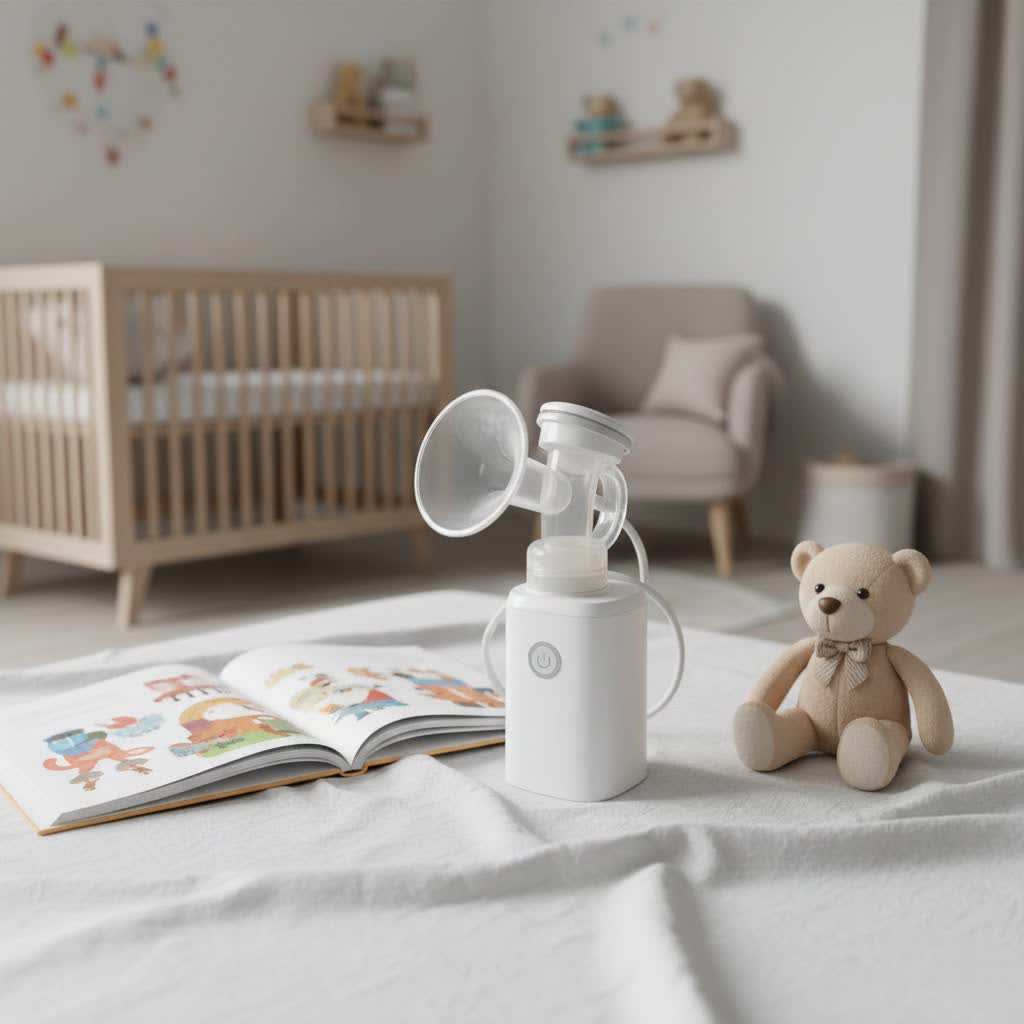
For many expectant and new parents, the journey of breastfeeding is deeply rewarding but can also come with its own set of challenges. One significant hurdle can be the financial investment in a quality breast pump, an indispensable tool for maintaining milk supply, managing feeding schedules, and supporting a return to work or other commitments. Fortunately, understanding your health insurance coverage can transform this potential burden into a smooth, cost-effective process, making essential breastfeeding equipment accessible.
This guide will demystify breast pump insurance coverage, outlining the types of pumps available, a step-by-step process for obtaining one, highlighting popular brands, and addressing common questions to empower you on your breastfeeding journey. For explore our breast pump reviews on this site.
Understanding Your Breast Pump Insurance Coverage
The good news for most parents is that health insurance plans are generally required to cover breast pumps. This vital benefit stems from the Affordable Care Act (ACA), a landmark piece of legislation designed to make healthcare more accessible.
The Affordable Care Act (ACA) Mandate
Under the ACA, most health insurance plans must provide breastfeeding support, counseling, and equipment for the duration of breastfeeding, whether before or after birth. This provision ensures that many new parents can obtain a breast pump, often at no out-of-pocket cost. The coverage typically includes both the purchase of a new pump and, in some cases, the rental of a hospital-grade pump.
“Grandfathered” Plans and Exceptions
While the ACA significantly expanded coverage, there are exceptions. Plans that existed before the ACA was enacted in March 2010, known as “grandfathered” plans, are not always required to comply with these lactation care provisions. If your plan falls into this category, you might find that breast pump coverage is limited or not offered. It’s always best to check with your insurance provider directly to understand the specifics of your plan.
How Coverage Varies: Plan Specifics
Even with the ACA mandate, the exact coverage can vary widely depending on your specific insurance plan. Factors that influence coverage include:
- Type of Pump: Some plans might cover any type of breast pump, while others may specify a particular model or category (e.g., only standard electric pumps).
- Brand Limitations: Your insurer might have a list of approved brands or models from which you can choose.
- Reimbursement Limits: There could be a cap on the amount your insurance will cover, meaning you might pay an upgrade fee for certain models.
- Timing Restrictions: Some plans dictate when you can obtain your pump, such as only after the baby’s birth or within a certain number of months postpartum.
Understanding these nuances early can help you navigate the process without surprises.
Types of Breast Pumps Covered by Insurance
Breast pumps come in various forms, each designed to meet different needs and lifestyles. Knowing the differences can help you make an informed choice based on what your insurance covers and what best suits you.
Manual Breast Pumps
|
Our Picks for the Best Breast Pump in 2026
As an Amazon Associate I earn from qualifying purchases.
|
||
| Num | Product | Action |
|---|---|---|
| 1 | Momcozy M5 Lite Hands-Free Wearable Breast Pump, DoubleFit Flange for Baby-Like Comfort, 3 Modes & 9 Suction Levels, No Flange Insert or Hard Carry Case, 24mm, 2-Pack, Cozy Red |

|
| 2 | Momcozy M5 Smart APP Controlled Wearable Breast Pump, Hands-Free Wireless Electric Pump, 3 Modes 9 Suction Levels, BPA-Free, Portable Lightweight, 24mm Flange, 2-Pack Quill Gray |
|
| 3 | NCVI Electric Breast Pump 8782, Portable Hospital-Grade Double Pump with 4 Modes & 9 Levels, Anti-Backflow, Rechargeable Quiet Breastfeeding Pump for Efficient Comfortable Use at Home, Work or Travel |
|
| 4 | Hands Free Breast Pump, Wearable Breastfeeding Pump with 4 Mode & 9 Level, Strong Suction, Painless, Anti-Backflow, BPA Free, Portable Electric Breast Pumps with 17/19/21/24MM Flanges |
|
| 5 | Lulia Double Electric Breast Pump, Breastfeeding Pump 4 Modes & 9 Levels, Low Noise, Anti-Backflow & LED Display, BPA Free, Portable Breast Pumps with 24mm Flange |
|
| 6 | Momcozy Wearable Breast Pump, Hands Free Upgraded Mobile Flow - M9, App Discreet Control with Personalized Multi-Modes & 15 Levels, Wearable Breast Pump 24mm, 2 Pack Cozy Red |
|
| 7 | Hands Free Breast Pump Wearable MY-375 - Strong Suction, Low Noise, Wearable Breastfeeding Pump with 4 Mode &12 Levels, Portable Electric Breast Pump 24mm - 19/21/Insert/Flange, 2 Pack (White) |
|
| 8 | Momcozy M5 Smart APP Controlled Wearable Breast Pump, Hands-Free Wireless Electric Pump, 3 Modes 9 Suction Levels, BPA-Free, Portable Lightweight, 24mm Flange, 2-Pack Cozy Red |
|
| 9 | Paruu Hands Free Breast Pump P16, Wearable Breast Pump Electirc Portable with 4 Modes & 12 Levels, Max 309mmHg Strong Suction 19/21/24mm Flange Inserts Wearable Breastfeeding Pump, 2 Pack(Nude |
|
| 10 | Momcozy Breast Pump V1 Pro Hospital-Grade, Hands-Free & Portable Wearable Pump, Upgraded Electric Pump with 3 Fine-Tuned Rhythms-15 Levels, Come with Leak-Proof DoubleFit Flange, Cozy Red. |
|
These hand-operated pumps are compact, portable, and typically the most affordable option. They are excellent for occasional pumping or relieving engorgement, offering quiet operation and no need for electricity. While some insurance plans may cover manual pumps, they often don’t provide the efficiency required for frequent or exclusive pumping.
Electric Breast Pumps (Single vs. Double)
Electric breast pumps use a motor to create suction, making them more efficient than manual models.
- Single electric pumps allow you to pump from one breast at a time.
- Double electric pumps are designed to express milk from both breasts simultaneously, significantly reducing pumping time and often helping to stimulate milk production more effectively. Most insurance plans prioritize coverage for double electric breast pumps, as they are considered essential for mothers needing to pump regularly, especially if returning to work.
Wearable and Hands-Free Pumps
These innovative pumps offer unparalleled discretion and mobility, fitting inside your bra and allowing you to pump while moving around or performing other tasks. Brands like Elvie and Willow are at the forefront of this technology. While some insurance plans now offer coverage for these advanced options, they may come with an upgrade fee or be partially covered. Their convenience makes them a popular choice for busy parents.
Hospital-Grade Pumps (Rentals)
Hospital-grade breast pumps are powerful, multi-user pumps designed for medical settings. They are often recommended for mothers with specific medical needs, such as establishing milk supply for premature babies or infants with feeding difficulties. Insurance plans typically cover these as rentals for a limited period, rather than for purchase, due to their high cost and specialized application.
Step-by-Step Guide to Getting Your Insurance-Covered Breast Pump
The process of obtaining an insurance-covered breast pump might seem daunting, but it’s straightforward with the right approach.
Step 1: Verify Your Insurance Benefits
The first and most crucial step is to contact your health insurance provider. Look for the member services phone number on your insurance ID card. When you call, ask the following questions:
- Do they cover the cost of a personal-use breast pump?
- Are there any specific types or brands of pumps covered?
- Do they require a doctor’s prescription? If so, what information must it include?
- Do I need to use a specific Durable Medical Equipment (DME) supplier, or can I choose any provider?
- Are there any co-pays, deductibles, or out-of-pocket costs associated with the pump?
- When can I order the pump (before or after delivery)?
Many DME suppliers also offer online tools where you can input your insurance details to check eligibility quickly.
Step 2: Obtain a Doctor’s Prescription (if needed)
Many insurance companies require a prescription from your doctor, midwife, or a lactation consultant. This prescription typically needs to state that a breast pump is medically necessary. It might also specify the type of pump (e.g., “E0603 for standard electric breast pump”) or include a medical diagnosis, especially if you need a hospital-grade rental. Ensure your provider includes all necessary details to avoid delays.
Step 3: Choose an In-Network Durable Medical Equipment (DME) Supplier
Most insurance plans mandate that you obtain your breast pump through an in-network Durable Medical Equipment (DME) supplier. These specialized suppliers work directly with insurance companies, handling the paperwork and billing on your behalf. They streamline the process, verify your coverage, and often ship the pump directly to you. Purchasing a breast pump from a retail store generally will not be reimbursed by your insurance.
Step 4: Select Your Breast Pump and Complete the Order
Once your coverage is verified and you have your prescription (if needed), your chosen DME supplier will present you with a selection of pumps covered by your plan. You can then choose the one that best fits your needs. If you opt for an upgraded model that incurs an additional fee, the supplier will inform you of the cost. After making your selection, complete the order form, and the supplier will typically handle the rest, from processing the claim to shipping your pump.
Understanding Timelines and Restrictions
Be mindful of your plan’s specific timelines. Some insurers allow you to get a pump up to 30 days before your due date, while others require you to wait until after the baby is born. Planning ahead is crucial to ensure you have your pump when you need it. Also, most insurance plans cover only one breast pump per pregnancy, so choose wisely.
Top Breast Pump Brands Often Covered by Insurance
Several reputable breast pump brands are frequently covered by insurance, offering a range of features and benefits.
- Spectra: Highly popular among parents and lactation consultants, Spectra pumps like the S1 Plus (rechargeable, portable) and S2 Plus (plug-in) are known for their quiet operation, hospital-grade suction, and customizable settings. The Spectra Gold offers dual motors for independent breast control. Many find them efficient and comfortable.
- Medela: A long-standing leader in breastfeeding, Medela offers models like the Pump In Style, which has been a staple for many parents. They are known for reliable performance.
- Philips Avent: This brand provides comfortable and effective electric breast pumps designed with gentle stimulation and expression in mind.
- Elvie and Willow: These brands specialize in hands-free, wearable breast pumps, offering freedom and discretion. Their pumps are increasingly covered by insurance, often with an upgrade fee, and are valued for their innovative design.
- Ameda, Motif, and Lansinoh: These brands also offer a variety of electric and manual pumps that are commonly covered, providing reliable options for different needs.
- Zomee: Gaining popularity, Zomee offers wearable and traditional electric pumps, with some models being fully covered by insurance.
“Choosing the right breast pump through your insurance isn’t just about saving money; it’s about investing in your long-term breastfeeding success and well-being. A pump that aligns with your lifestyle can make all the difference.” – Dr. Sarah Chen, IBCLC, Pediatric Health Specialist
Beyond the Pump: Other Covered Breastfeeding Supplies
Breast pump coverage often extends beyond just the pump itself, encompassing other essential supplies that support your breastfeeding journey.
Milk Storage Bags
Many insurance plans will also cover a certain quantity of milk storage bags, which are crucial for safely storing expressed breast milk in the refrigerator or freezer. Inquire with your DME supplier or insurance provider about a potential resupply program for these items.
Replacement Parts
Over time, breast pump parts like flanges, tubing, and valves can wear out or lose efficiency. Some insurance plans cover replacement parts, ensuring your pump continues to function optimally and safely. Checking this benefit can save you money and maintain your pumping effectiveness.
Lactation Counseling
Beyond equipment, comprehensive breastfeeding support often includes professional guidance. Most UnitedHealthcare plans and many other benefit plans include coverage for lactation counseling with an in-network provider. These sessions can address challenges like latching difficulties, pain, or low milk production, and are invaluable for successful breastfeeding.
Common Challenges and How to Overcome Them
Navigating insurance can sometimes present hurdles. Here’s how to address common issues:
- Limited Pump Options: If your plan offers a limited selection, consider if a basic covered pump meets your primary needs, or if paying an upgrade fee for a preferred model is worthwhile for long-term comfort and efficiency.
- Unexpected Costs (Co-pays, Deductibles, Upgrades): Always clarify any potential out-of-pocket expenses upfront with your insurer and DME supplier. Budget for these if you choose a premium pump or if your plan requires cost-sharing.
- Denied Claims: If your claim is denied, ask your insurance provider for a clear explanation. It might be due to a missing prescription, an out-of-network supplier, or a timing issue. Rectify the problem and resubmit if possible.
- Dealing with “Grandfathered” Plans: If your plan offers no coverage, explore alternative options such as the Special Supplemental Nutrition Program for Women, Infants, and Children (WIC), which provides breastfeeding support and pumps to eligible families. You can also look for programs offered by local hospitals or non-profits.
Conclusion
Securing an insurance-covered breast pump is a critical step in supporting your breastfeeding goals. Thanks to the Affordable Care Act, most parents have access to this essential equipment, often at no cost. By proactively understanding your insurance benefits, obtaining any necessary documentation, and working with approved suppliers, you can simplify the process and equip yourself with the tools needed to nourish your baby. Remember, every drop of milk is precious, and having the right support system, including your breast pump, can make a significant difference.
Are you ready to explore your insurance benefits and find the perfect breast pump for your needs?
Frequently Asked Questions
Do all insurance plans cover breast pumps?
No, not all plans. While most plans that started after August 1, 2012, are required to cover breast pumps under the Affordable Care Act, “grandfathered” plans (those existing before March 2010) may be exempt. It’s essential to check with your specific insurance provider.
When is the best time to order a breast pump?
It’s generally recommended to order your breast pump well before your baby’s arrival, typically in your third trimester. Some insurance plans allow ordering up to 30 days before your due date, while others might require you to wait until after birth. Verify your plan’s specific timeline.
Can I get a hospital-grade pump through insurance?
Yes, hospital-grade breast pumps are typically covered by insurance as rentals, especially if there’s a medical necessity, such as a premature baby or an infant with feeding difficulties. They are usually not covered for purchase due to their high cost and specialized use.
What if my insurance plan only covers a manual pump?
If your plan only covers a manual pump and you require a more efficient electric one, you might have options. You could inquire about paying an upgrade fee for an electric model, or explore programs like WIC if you meet eligibility requirements, or look into purchasing a pump yourself.
Can I get a second breast pump through insurance for the same pregnancy?
Most insurance plans cover only one breast pump per pregnancy. If you order multiple pumps through different suppliers, you may be responsible for the cost of any additional pumps. It’s crucial to confirm this with your insurer.
What information do I need to provide to get my pump?
Typically, you’ll need your insurance card details (member ID, group number), your doctor’s name and contact information, and your baby’s due date or date of birth. A doctor’s prescription stating medical necessity is also often required.
Get our weekly buyer guide
Practical specs, not advice. Unsubscribe anytime.
