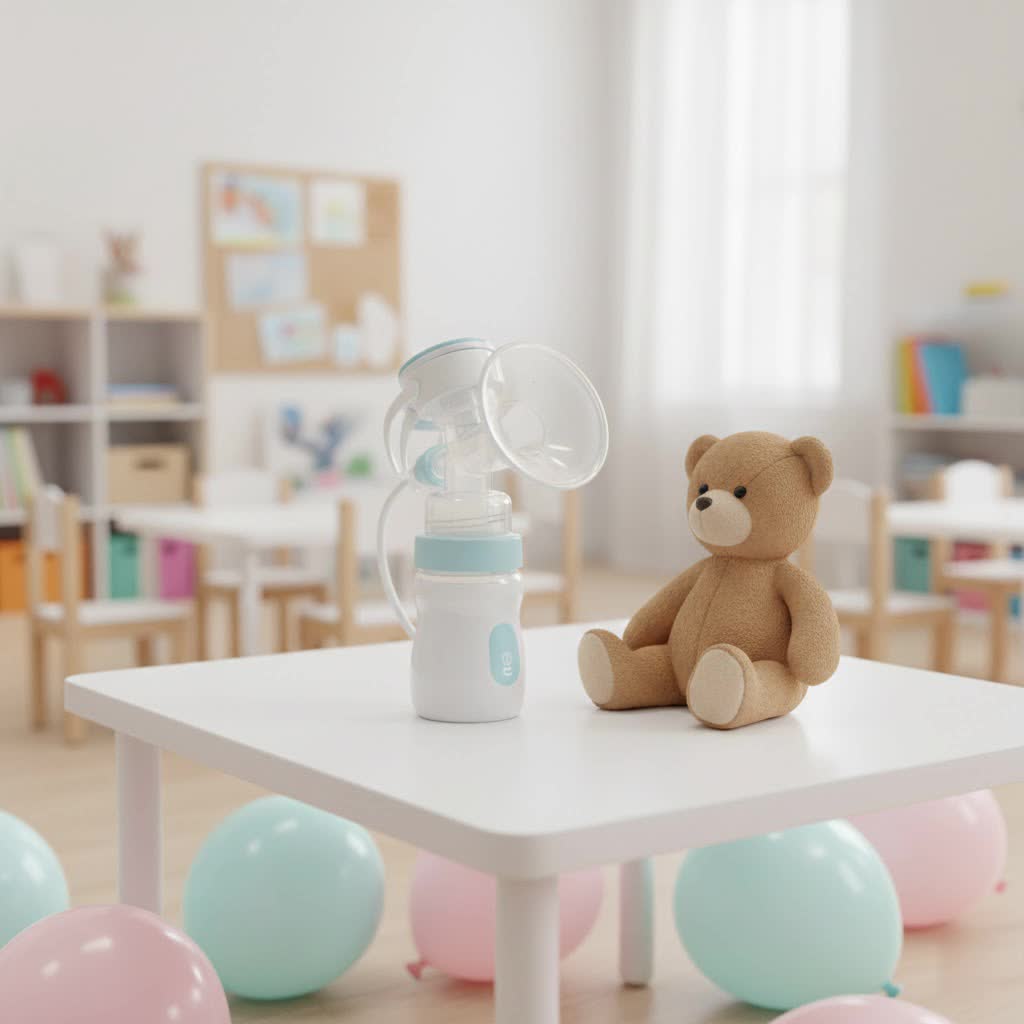
Bringing a new baby into the world is a joyful, albeit often overwhelming, experience. For many new and expectant mothers, breastfeeding is a priority, offering incredible health benefits for both mom and baby. However, the cost of a quality breast pump, an essential tool for many breastfeeding journeys, can be a significant barrier. The good news is that obtaining a free breast pump through Medicaid is a real possibility, helping to alleviate financial stress and support your choice to provide breast milk. This guide will walk you through everything you need to know about navigating Medicaid coverage for breast pumps, from understanding your eligibility to choosing the right device and getting it delivered to your door.
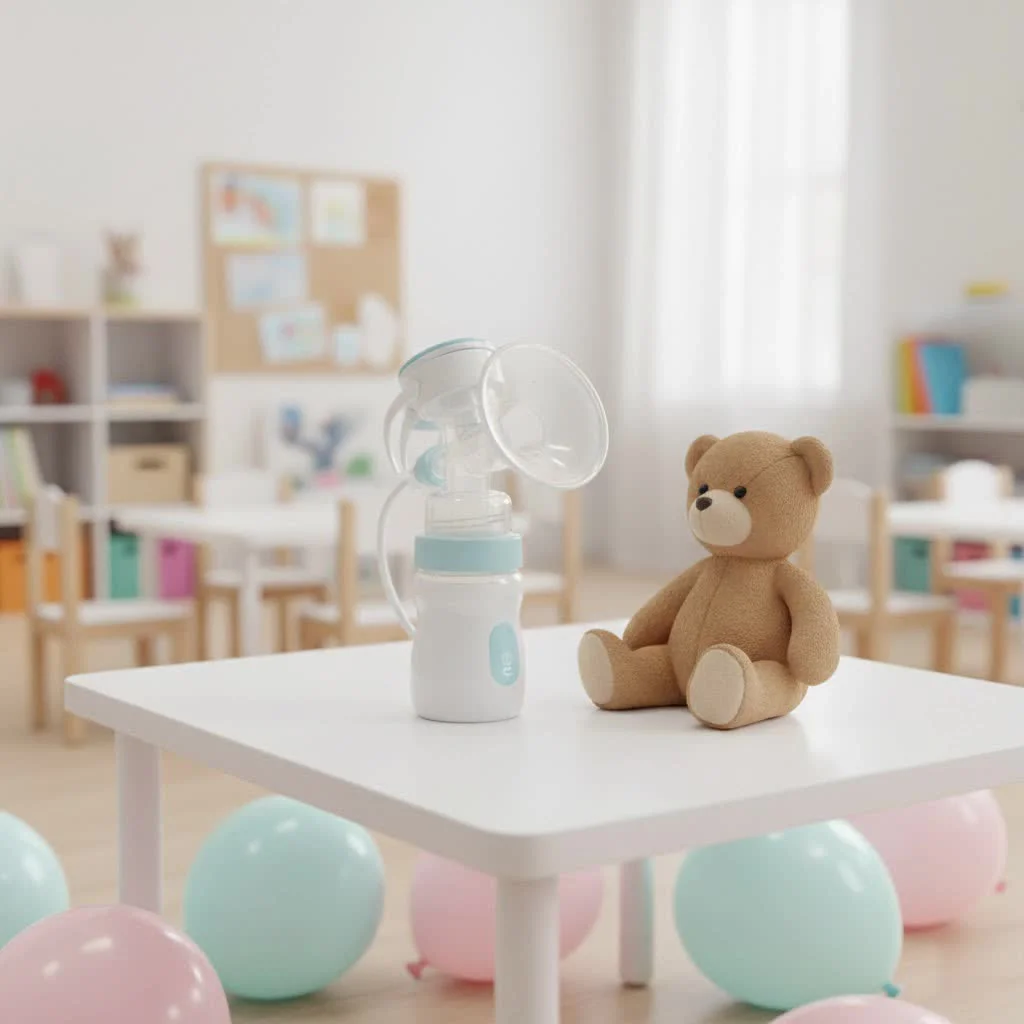
Understanding Medicaid Coverage for Breast Pumps
The ability to access a breast pump without out-of-pocket costs is largely due to federal mandates. For breast pump buying guides on this site.
The Affordable Care Act (ACA) and Breast Pump Coverage
Thanks to the Affordable Care Act, most health insurance plans, including Medicaid, are required to cover the cost of a breast pump. This critical legislation recognizes breastfeeding as a vital preventive health service for mothers and infants, making essential tools like breast pumps more accessible. This means many expectant and new mothers are eligible to receive a breast pump at no cost, supporting their decision to breastfeed.
State-Specific Variations in Medicaid Plans
While the ACA provides a federal framework, Medicaid programs are administered at the state level. This means that specific coverage details, including the types of pumps available, documentation required, and the process for obtaining one, can vary significantly from state to state. What might be fully covered in one state could have slightly different stipulations in another. It’s always crucial to check your specific state’s Medicaid guidelines or contact your plan directly for the most accurate information.
Eligibility Requirements
Generally, pregnant women, new mothers, and babies who meet specific income and household size requirements can qualify for Medicaid. If you are already enrolled in Medicaid, you are likely eligible for breast pump coverage. Eligibility is typically based on factors such as your income, household size, and specific state regulations. You can visit your state’s Medicaid website or contact a representative to confirm your eligibility.
Types of Breast Pumps Typically Covered by Medicaid
Medicaid plans generally cover various types of breast pumps to accommodate different needs and lifestyles. Understanding the distinctions can help you choose the best option for your unique situation.
Manual Breast Pumps
Manual breast pumps are hand-operated devices that use a lever mechanism to create suction. They are compact, quiet, and do not require electricity, making them excellent for occasional use, travel, or as a backup. While less efficient for regular, high-volume pumping compared to electric models, they are often a covered option for those who need a simple, portable solution.
Electric Breast Pumps (Single and Double)
Electric breast pumps are powered by a motor and are designed for more frequent and efficient milk expression.
- Single Electric Pumps: These allow you to pump from one breast at a time. They are often lighter and more portable than double pumps, suitable for mothers who pump occasionally or need to relieve engorgement.
- Double Electric Pumps: These allow simultaneous pumping from both breasts, significantly reducing pumping time and often helping to stimulate milk production more effectively. They are ideal for mothers who pump regularly, such as those returning to work or building a substantial milk stash. Most Medicaid plans will cover a personal use double electric breast pump.
Hospital-Grade Breast Pumps
Hospital-grade breast pumps are multi-user pumps designed for durability, strength, and efficacy, particularly for mothers with specific medical needs, such as preterm infants, low milk supply, or other breastfeeding challenges. These pumps offer stronger suction and more advanced features. While not always covered for purchase, Medicaid may cover the rental of a hospital-grade pump if deemed medically necessary by your healthcare provider, often for a limited period.
Step-by-Step Guide to Getting Your Free Breast Pump Through Medicaid
|
Our Picks for the Best Breast Pump in 2026
As an Amazon Associate I earn from qualifying purchases.
|
||
| Num | Product | Action |
|---|---|---|
| 1 | Momcozy M5 Smart APP Controlled Wearable Breast Pump, Hands-Free Wireless Electric Pump, 3 Modes 9 Suction Levels, BPA-Free, Portable Lightweight, 24mm Flange, 2-Pack Quill Gray |

|
| 2 | Momcozy M5 Lite Hands-Free Wearable Breast Pump, DoubleFit Flange for Baby-Like Comfort, 3 Modes & 9 Suction Levels, No Flange Insert or Hard Carry Case, 24mm, 2-Pack, Cozy Red |
|
| 3 | Momcozy Breast Pump V1 Pro Hospital-Grade, Hands-Free & Portable Wearable Pump, Upgraded Electric Pump with 3 Fine-Tuned Rhythms-15 Levels, Come with Leak-Proof DoubleFit Flange, Cozy Red. |
|
| 4 | Hands Free Breast Pump Wearable MY-375 - Strong Suction, Low Noise, Wearable Breastfeeding Pump with 4 Mode &12 Levels, Portable Electric Breast Pump 24mm - 19/21/Insert/Flange, 2 Pack (White) |
|
| 5 | Momcozy Wearable Breast Pump, Hands Free Upgraded Mobile Flow - M9, App Discreet Control with Personalized Multi-Modes & 15 Levels, Wearable Breast Pump 24mm, 2 Pack Cozy Red |
|
| 6 | Paruu Hands Free Breast Pump P16, Wearable Breast Pump Electirc Portable with 4 Modes & 12 Levels, Max 309mmHg Strong Suction 19/21/24mm Flange Inserts Wearable Breastfeeding Pump, 2 Pack(Nude |
|
| 7 | NCVI Electric Breast Pump 8782, Portable Hospital-Grade Double Pump with 4 Modes & 9 Levels, Anti-Backflow, Rechargeable Quiet Breastfeeding Pump for Efficient Comfortable Use at Home, Work or Travel |
|
| 8 | Lulia Double Electric Breast Pump, Breastfeeding Pump 4 Modes & 9 Levels, Low Noise, Anti-Backflow & LED Display, BPA Free, Portable Breast Pumps with 24mm Flange |
|
| 9 | Momcozy M5 Smart APP Controlled Wearable Breast Pump, Hands-Free Wireless Electric Pump, 3 Modes 9 Suction Levels, BPA-Free, Portable Lightweight, 24mm Flange, 2-Pack Cozy Red |
|
| 10 | Hands Free Breast Pump, Wearable Breastfeeding Pump with 4 Mode & 9 Level, Strong Suction, Painless, Anti-Backflow, BPA Free, Portable Electric Breast Pumps with 17/19/21/24MM Flanges |
|
The process of obtaining your free breast pump through Medicaid is straightforward once you know the steps.
- Verify Your Medicaid Coverage: Your first step is to confirm the specifics of your Medicaid plan. Since coverage can vary by state and plan, it’s essential to understand what your particular policy entails. Contact your Medicaid provider directly or visit their website to inquire about breast pump benefits, including the types of pumps covered, any required documentation, and the timing for ordering.
- Obtain a Prescription from Your Healthcare Provider: In most cases, you will need a prescription or order from your healthcare provider. This is a crucial step as it verifies the medical necessity of the breast pump. Your doctor can help determine the most suitable type of pump for your needs and write a prescription specifying it. Be sure to discuss any particular concerns or preferences you have with your provider.
- Choose a Breast Pump Supplier: Once you have your prescription and understand your coverage, you’ll need to work with a Durable Medical Equipment (DME) supplier, pharmacy, or an online breast pump provider that works with Medicaid. Many specialized online companies can help you navigate the process, verify your benefits, obtain the prescription if needed, and ship the pump directly to you. They often have experts who are familiar with state-specific Medicaid requirements.
- Select Your Breast Pump: With your coverage verified and a supplier chosen, you can select a breast pump from the models and brands your Medicaid plan covers. Suppliers typically offer a range of popular electric and manual pumps from reputable brands. Don’t hesitate to ask questions about features, comfort, and suitability for your lifestyle.
- Understand Timing for Delivery: While some plans allow you to order your pump before your baby’s arrival (sometimes within a certain window, like 14 days before your due date), many Medicaid policies require that you wait until after you’ve given birth. If you need a pump sooner, some hospitals offer rental pumps that can bridge the gap until your personal pump arrives. Always confirm the specific timing rules with your Medicaid provider or chosen supplier.
Popular Breast Pump Brands Covered by Medicaid
Many reputable breast pump brands are frequently covered by Medicaid plans, offering mothers a variety of high-quality options. Some of the most commonly covered brands include:
- Medela: Known for their reliable and efficient pumps, Medela offers a range of double electric pumps that are popular among breastfeeding mothers.
- Spectra: Spectra pumps are often praised for their quiet operation, comfort, and hospital-grade technology in personal-use models.
- Lansinoh: Offering both manual and electric pumps, Lansinoh is a well-regarded brand focusing on comfort and ease of use.
- Motif: Motif breast pumps often feature customizable settings and ergonomic designs, catering to a personalized pumping experience.
- Ameda: Ameda provides innovative pumping solutions, including multi-user and personal electric pumps, with a focus on hygiene and effectiveness.
- Evenflo: Evenflo offers accessible and user-friendly breast pump options for various pumping needs.
- Baby Buddha: Known for its strong suction and compact, portable design, often suitable for on-the-go mothers.
- Zomee: Zomee pumps offer modern designs and features aimed at comfort and efficiency.
Your specific plan and chosen supplier will determine which brands and models are available to you.
What if My Medicaid Plan Doesn’t Cover It or I Don’t Qualify?
Even if your initial attempts to secure a breast pump through Medicaid don’t pan out, or if you don’t qualify for Medicaid, you still have viable options to access this essential equipment.
The WIC Program
The Women, Infants, and Children (WIC) program is a federal assistance program providing food, healthcare referrals, and nutrition education for low-income pregnant women, breastfeeding mothers, and children under five. WIC strongly supports breastfeeding and often provides breast pumps to eligible participants. Contact your local WIC office to inquire about their breast pump program and eligibility requirements, as they may offer manual or electric pumps depending on availability.
Hospital Rentals and Community Resources
Many hospitals offer breast pump rental programs, particularly for hospital-grade pumps, which can be invaluable for mothers facing specific challenges or needing a temporary solution. Inquire with your local hospital’s lactation department. Additionally, community health centers or local maternal support groups sometimes have programs to provide pumps or guide you to other resources.
Non-Profit Organizations
Various non-profit organizations are dedicated to supporting new mothers with breastfeeding needs. Groups like La Leche League International offer invaluable guidance, support, and sometimes even lend breast pumps to mothers in need. Local charities and community groups may also provide free or low-cost breast pumps or connect you with resources in your area.
Using and Maintaining Your Medicaid-Covered Breast Pump
Receiving your free breast pump is just the beginning. Proper use and maintenance are key to ensuring its longevity and effectiveness, contributing to a successful breastfeeding journey.
- Lắp Ráp Máy Hút Sữa (Assembling Your Breast Pump): Always refer to your pump’s instruction manual for specific assembly directions. Generally, components like flanges, connectors, valves, and bottles fit together intuitively. Ensure all parts are securely connected to maintain optimal suction.
- Điều Chỉnh Lực Hút (Adjusting Suction Power): Start with a low suction level and gradually increase it until you find a comfortable yet effective setting. Pumping should never be painful. Most electric pumps offer multiple suction levels and cycle speeds to mimic a baby’s natural nursing rhythm.
- Vệ Sinh và Tiệt Trùng Các Bộ Phận (Cleaning and Sterilizing Parts): After each use, disassemble all parts that come into contact with breast milk. Wash them immediately with warm, soapy water and a dedicated brush, then rinse thoroughly. Sterilize pump parts daily or as recommended by the manufacturer, using methods like boiling, steam sterilization, or a dishwasher with a hot wash cycle. Always allow parts to air dry completely on a clean rack before storing to prevent bacterial growth.
- Bảo Quản Máy Hút Sữa (Storing Your Breast Pump): Store the pump motor and clean, dry parts in a clean, dry place, away from direct sunlight or extreme temperatures. Keeping the original packaging can help protect it during storage or travel.
Common Issues and How to Address Them
Even with the best equipment, you might encounter minor hurdles. Here’s how to troubleshoot some common breast pump issues:
- Máy Hút Sữa Không Hút Hoặc Hút Yếu (Pump Not Suctioning or Weak Suction):
- Check Assembly: Ensure all parts are correctly and securely assembled, especially valves and membranes, as a loose connection can cause suction loss.
- Inspect Parts: Look for cracks, tears, or wear in valves, membranes, or tubing. Replace worn parts promptly.
- Tubing Issues: Ensure tubing is not kinked, pinched, or has condensation. If tubing is wet, disconnect from the pump and air dry.
- Power Source: For electric pumps, ensure it’s properly plugged in or batteries are charged.
- Máy Hút Sữa Gây Đau (Pump Causing Pain):
- Flange Size: The most common cause of pain is an incorrect flange size. Your nipple should move freely within the tunnel, but not too much of the areola should be pulled in. Consult a lactation consultant to find your correct size.
- Suction Level: Reduce the suction level. Pumping should feel strong but never painful.
- Nipple Alignment: Ensure your nipple is centered in the flange tunnel.
- Máy Hút Sữa Bị Rò Rỉ (Pump Leaking):
- Tighten Connections: Ensure bottles or milk collection containers are tightly screwed onto the pump flanges.
- Positioning: Maintain an upright position while pumping.
- Flange Fit: An ill-fitting flange can sometimes contribute to leakage.
Where to Purchase a Breast Pump (If Not Through Medicaid)
While this guide focuses on obtaining a free breast pump through Medicaid, if for some reason you choose to purchase one or need accessories not covered, here are typical reliable sources:
- Các Cửa Hàng Mẹ và Bé (Baby Stores): Major retailers specializing in baby products often carry a wide selection of breast pumps and accessories.
- Các Trang Thương Mại Điện Tử (E-commerce Websites): Online platforms offer convenience and a vast array of choices, often with competitive pricing and customer reviews.
- Các Đại Lý Chính Hãng (Authorized Dealers): Purchasing directly from authorized dealers or the brand’s official website ensures authenticity and warranty support.
Conclusion
Navigating the journey of motherhood comes with its unique set of challenges and joys. Access to a free breast pump through Medicaid can be a game-changer, empowering you to breastfeed your baby with greater ease and confidence. Remember that the Affordable Care Act supports your right to a breast pump, and while state-specific variations exist, resources are available to help you. By understanding the process, verifying your coverage, and seeking guidance from healthcare providers and specialized suppliers, you can secure this invaluable tool. Take the proactive step today to explore your options and ensure you have the support you need for a successful and fulfilling breastfeeding experience. What steps will you take this week to secure your free breast pump?
Get our weekly buyer guide
Practical specs, not advice. Unsubscribe anytime.
