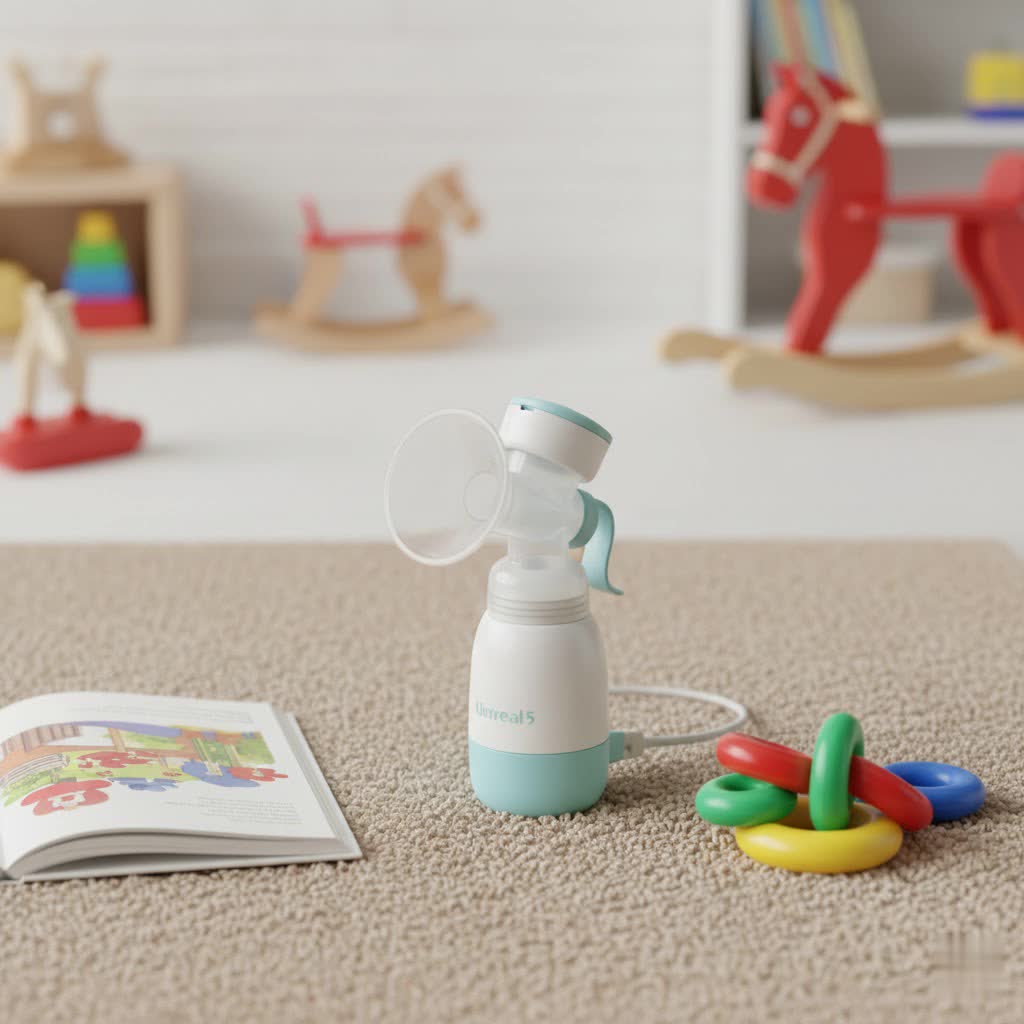
Parenthood often feels like a beautiful whirlwind, leaving little time for stillness. For breastfeeding parents, the traditional breast pump, while effective, can tether you to an outlet or a specific spot, making multitasking a juggling act. But what if you could express milk while tackling chores, working, or simply enjoying time with your little one, all without being plugged in or holding bottles? Enter the wearable breast pump, a revolutionary device designed to offer unparalleled freedom and discretion. This guide will delve into everything you need to know about these innovative pumps, helping you find the perfect fit for your dynamic life.
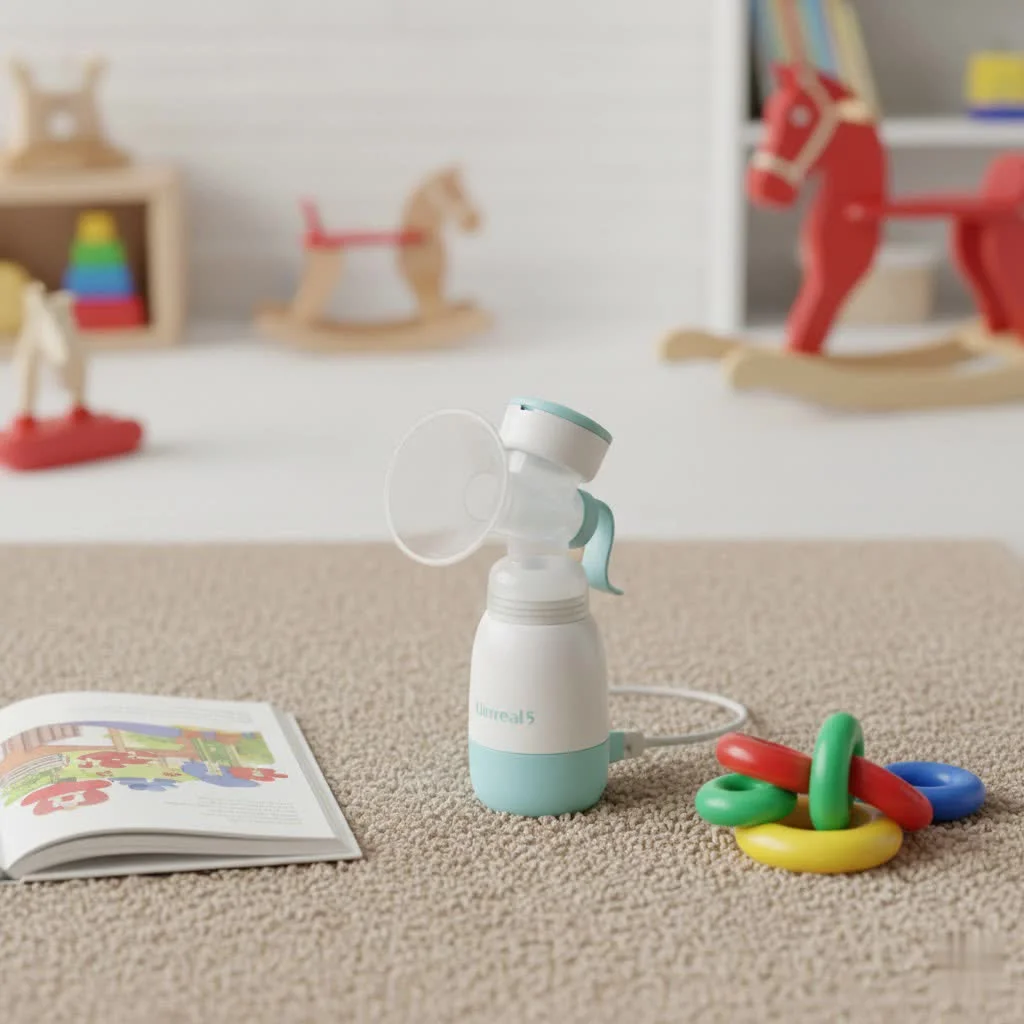
What is a Wearable Breast Pump and Why Choose One?
A wearable breast pump is an all-in-one device that fits directly inside your bra. Unlike traditional pumps with external motors and tubing, wearable pumps integrate the motor, flange, and milk collection container into a single, compact unit. This hands-free design means no bottles dangling, no wires to trip over, and no need for a special pumping bra. For more breast pump guides on this site.
The primary allure of wearable breast pumps lies in their incredible convenience. They allow you to reclaim precious time and maintain your routine, whether you’re working from home, running errands, or simply needing to move around freely. Their discreet nature means you can pump virtually anywhere, offering privacy and peace of mind. For many, the ability to pump without stress can even lead to improved milk supply.
Exploring the World of Wearable Breast Pumps
While all wearable pumps share the common goal of hands-free pumping, they vary significantly in design, features, and performance. Understanding these differences is key to making an informed choice.
Common Design Variations:
- Motor Placement: Some pumps have motors positioned on top of the collection cup (e.g., Imani), others integrate them into the back (e.g., Willow Go), while some have smaller motors on top with a collection chamber below (e.g., Elvie).
- Collection Cup Style: Capacities typically range from 4oz to 7oz per side. Some are clear for easy milk monitoring, while others are opaque for maximum discretion.
- Flange Material: Silicone flanges are often preferred for their comfort, especially for sensitive nipples, compared to hard plastic.
Key Features to Consider:
- Suction Strength and Modes: Pumps offer varying levels of suction (measured in mmHg) and different modes (stimulation, expression, mixed) to mimic a baby’s natural nursing rhythm. While some claim “hospital-grade” suction, it’s important to understand that true hospital-grade pumps are typically much stronger.
- Noise Level: Most wearable pumps are designed to be quiet, allowing for discreet pumping in various environments.
- App Connectivity: Some advanced models include companion apps for tracking pumping sessions, controlling settings, and monitoring battery life.
- Specialized Functions: Features like a gentle warming function (e.g., Eufy S1 Pro) can enhance comfort and stimulate milk flow.
Comparing Popular Wearable Breast Pump Models
|
Our Picks for the Best Breast Pump in 2026
As an Amazon Associate I earn from qualifying purchases.
|
||
| Num | Product | Action |
|---|---|---|
| 1 | Momcozy Wearable Breast Pump, Hands Free Upgraded Mobile Flow - M9, App Discreet Control with Personalized Multi-Modes & 15 Levels, Wearable Breast Pump 24mm, 2 Pack Cozy Red |

|
| 2 | Momcozy M5 Smart APP Controlled Wearable Breast Pump, Hands-Free Wireless Electric Pump, 3 Modes 9 Suction Levels, BPA-Free, Portable Lightweight, 24mm Flange, 2-Pack Cozy Red |
|
| 3 | Hands Free Breast Pump Wearable MY-375 - Strong Suction, Low Noise, Wearable Breastfeeding Pump with 4 Mode &12 Levels, Portable Electric Breast Pump 24mm - 19/21/Insert/Flange, 2 Pack (White) |
|
| 4 | Paruu Hands Free Breast Pump P16, Wearable Breast Pump Electirc Portable with 4 Modes & 12 Levels, Max 309mmHg Strong Suction 19/21/24mm Flange Inserts Wearable Breastfeeding Pump, 2 Pack(Nude |
|
| 5 | Hands Free Breast Pump, Wearable Breastfeeding Pump with 4 Mode & 9 Level, Strong Suction, Painless, Anti-Backflow, BPA Free, Portable Electric Breast Pumps with 17/19/21/24MM Flanges |
|
| 6 | Lulia Double Electric Breast Pump, Breastfeeding Pump 4 Modes & 9 Levels, Low Noise, Anti-Backflow & LED Display, BPA Free, Portable Breast Pumps with 24mm Flange |
|
| 7 | Momcozy M5 Smart APP Controlled Wearable Breast Pump, Hands-Free Wireless Electric Pump, 3 Modes 9 Suction Levels, BPA-Free, Portable Lightweight, 24mm Flange, 2-Pack Quill Gray |
|
| 8 | Momcozy M5 Lite Hands-Free Wearable Breast Pump, DoubleFit Flange for Baby-Like Comfort, 3 Modes & 9 Suction Levels, No Flange Insert or Hard Carry Case, 24mm, 2-Pack, Cozy Red |
|
| 9 | Momcozy Breast Pump V1 Pro Hospital-Grade, Hands-Free & Portable Wearable Pump, Upgraded Electric Pump with 3 Fine-Tuned Rhythms-15 Levels, Come with Leak-Proof DoubleFit Flange, Cozy Red. |
|
| 10 | NCVI Electric Breast Pump 8782, Portable Hospital-Grade Double Pump with 4 Modes & 9 Levels, Anti-Backflow, Rechargeable Quiet Breastfeeding Pump for Efficient Comfortable Use at Home, Work or Travel |
|
Choosing the “best” wearable pump depends entirely on your individual needs and preferences. Here’s a comparison of some highly-regarded models, highlighting their strengths and what makes them unique:
| Model | Suction Strength (approx.) | Discretion / Size | Battery Life (sessions) | Cleaning Ease | Special Features | Price Range |
|---|---|---|---|---|---|---|
| Elvie Pump | ~220mmHg (Gentle) | Thinnest, most discreet | ~3 sessions | Tedious (small parts) | App-controlled, auto-switches modes | $$$ (High) |
| Willow Go | Up to 280mmHg (Decent) | Bulky, heavier | ~3 sessions | Easiest (large parts) | App-controlled, 5oz/7oz cup options | $$ (Mid-High) |
| Imani i2 | Up to 300mmHg (Strong) | Bulky | ~3-4 sessions | Hand wash only, easy pieces | Silicone flanges, comfortable | $ (Affordable) |
| Momcozy S12 Pro | ~280-300mmHg (Strong) | Bulky | ~7-8 sessions | Hand wash only, easy pieces | 3 modes, 9 levels, silicone flanges | $ (Affordable) |
| Eufy Wearable S1 Pro | ~300mmHg (Strong) | Larger than Elvie, smaller than Momcozy | ~4-6 sessions | Dishwasher safe (parts) | Heated function, app, charging case, 4 rhythms | $$ (Mid-High) |
| Motif Aura | ~280mmHg (Gentle) | Very discreet, lightweight | ~2 hours | Hand wash only | Quiet, app-enabled | $ (Affordable) |
| Zomee Fit | ~260mmHg (Decent) | Mid-size | ~2 hours | Dishwasher safe (parts) | Nipple ruler included | $$ (Mid) |
Note: Prices are approximate and can vary. “$”: Affordable, “$$”: Mid-range, “$$$”: High-end.
How to Choose the Right Wearable Breast Pump
Selecting the ideal wearable breast pump involves considering your lifestyle, budget, and body’s unique response to pumping.
-
Assess Your Pumping Needs:
- Frequency: Are you an exclusive pumper, or do you pump occasionally for convenience? If you pump often, you might prioritize a pump with strong suction and good emptying capabilities.
- Mobility: How much movement do you need while pumping? For maximum activity, look for lightweight, truly leak-proof designs.
- Purpose: Is it your primary pump, or a secondary one for on-the-go? Many find wearables excel for convenience but may need a traditional pump for full emptying, especially in the early stages of establishing supply.
-
Consider Comfort and Fit:
- Flange Size: Proper flange fit is crucial for comfort and effective milk expression. Many pumps come with multiple sizes or inserts. Ensure you measure your nipple size accurately.
- Material: Silicone flanges are often softer and more comfortable than hard plastic, particularly for sensitive nipples or those with elastic tissue.
- Suction Sensitivity: If you have sensitive nipples, a pump with gentler suction or customizable settings might be preferable.
-
Evaluate Features and Practicality:
- Battery Life: How many pumping sessions do you need between charges?
- Cleaning: Are the parts easy to disassemble and clean? Is it dishwasher-safe, or does it require hand-washing?
- Discretion: How important is it for the pump to be invisible under clothing?
- Noise Level: Will you be pumping in quiet environments where noise is a concern?
- App Integration: Do you want the convenience of app control and tracking?
-
Set Your Budget: Wearable pumps range widely in price. Remember that while budget-friendly options exist, sometimes investing a bit more can offer better performance, durability, or comfort. Check if your insurance covers breast pumps, as many plans offer coverage for both traditional and some wearable models.
-
Read Reviews and Ask for Experiences: Personal experiences can be invaluable. Look for reviews from users with similar pumping goals and body types.
Tips for Using and Cleaning Your Wearable Breast Pump
To get the most out of your wearable breast pump, proper usage and meticulous cleaning are essential.
Usage Tips:
- Proper Placement: Ensure your nipple is centered in the flange before securing the pump in your bra. A supportive bra is key to keeping the pump flush against your breast for optimal suction and to prevent leaks.
- Check the Seal: Before starting, double-check that all components are correctly assembled and the collection cup is perfectly sealed to the flange. A compromised seal is a common cause of leaks.
- Monitor Output: While some apps track volume, it’s always best to observe your milk output directly. Pay attention to how full your breasts feel after a session; if they still feel full, you might need to adjust settings or pump longer.
- Avoid Overfilling: Be mindful of the collection cup’s capacity. Overfilling can lead to leaks, especially when removing the pump.
Cleaning and Maintenance:
- Disassemble Immediately: After each use, disassemble all parts that come into contact with milk.
- Hand Wash vs. Dishwasher: Always refer to your pump’s manual for specific cleaning instructions. Many manufacturers recommend hand-washing parts in warm, soapy water to prevent warping or damage, while some components might be top-rack dishwasher safe.
- Sterilization: For initial use and periodically thereafter, sterilize parts by boiling or using a sterilizer, following the manufacturer’s guidelines.
- Air Dry Thoroughly: Allow all parts to air dry completely on a clean rack before reassembling or storing to prevent bacterial growth.
- Never Buy Secondhand: For hygiene and safety reasons, it is crucial never to purchase or use a secondhand breast pump.
Common Issues and How to Troubleshoot
While incredibly convenient, wearable breast pumps can sometimes present challenges.
- Incomplete Emptying: Some users find that wearable pumps don’t empty their breasts as thoroughly as traditional pumps. If you consistently feel full after pumping or notice a dip in supply, consider using a traditional pump as your primary and the wearable for occasional use. Experiment with different suction levels and modes, and ensure your flange size is correct.
- Leaking: This is often due to an improper seal, an ill-fitting bra, or excessive movement. Double-check that all parts are securely attached and the flange forms a tight seal against your breast. A more supportive bra can also help.
- Pain or Discomfort: Pain usually indicates an incorrect flange size or suction level that is too high. Re-measure your nipple and try different flange inserts. Adjust the suction gradually to find a comfortable yet effective level.
- Low Output: If your milk output is consistently lower with a wearable, it could be a combination of factors, including incomplete emptying, stress, or your body simply responding better to a different type of stimulation. Ensure you are well-hydrated and relaxed during your pumping sessions.
Where to Purchase Wearable Breast Pumps
Wearable breast pumps are widely available, both online and in physical stores. You can find them at:
- Online Retailers: Major e-commerce platforms (like Amazon) offer a vast selection, often with customer reviews and competitive pricing.
- Baby Specialty Stores: Retailers specializing in baby products often carry a range of wearable pumps and can offer in-person advice.
- Direct from Manufacturers: Purchasing directly from the brand’s website ensures you get authentic products and direct access to warranty and customer support.
Conclusion
Wearable breast pumps have revolutionized the pumping experience, granting parents the freedom to multitask and move unhindered while expressing milk. By understanding the different models, their features, and how to choose one that aligns with your lifestyle, you can find a wearable pump that truly empowers your breastfeeding journey. Remember that while these devices offer incredible convenience, some parents may find a traditional pump complements their routine for optimal milk expression. With the right wearable breast pump, you can truly embrace the joys of parenthood without feeling confined.
What aspect of hands-free pumping are you most excited to experience?
Frequently Asked Questions
Can wearable breast pumps be used for exclusive pumping?
While many parents successfully use wearable pumps for exclusive pumping, some may find they don’t empty the breast as thoroughly as traditional pumps, potentially impacting long-term milk supply. It’s often recommended to monitor your output and breast fullness carefully or use it as a secondary pump if supply is a concern.
How often do I need to clean my wearable breast pump parts?
All parts that come into contact with milk should be disassembled and cleaned immediately after each use to prevent bacterial growth and maintain hygiene. Refer to your pump’s manual for specific cleaning instructions, as some parts may require hand-washing while others are dishwasher safe.
Is a wearable breast pump less effective than a traditional pump?
The effectiveness can vary among individuals and pump models. Some wearable pumps may have less powerful motors or different mechanics than hospital-grade or traditional electric pumps, which might result in slightly lower output or less complete emptying for some women. However, for many, the convenience outweighs these potential differences.
How do I ensure a proper fit with my wearable breast pump?
Proper flange size is critical for comfort and effectiveness. Use a nipple ruler to measure your nipple size and choose the corresponding flange. Ensure your nipple is centered in the flange and the pump is securely sealed against your breast with a supportive bra to prevent leaks and maximize suction.
Get our weekly buyer guide
Practical specs, not advice. Unsubscribe anytime.
