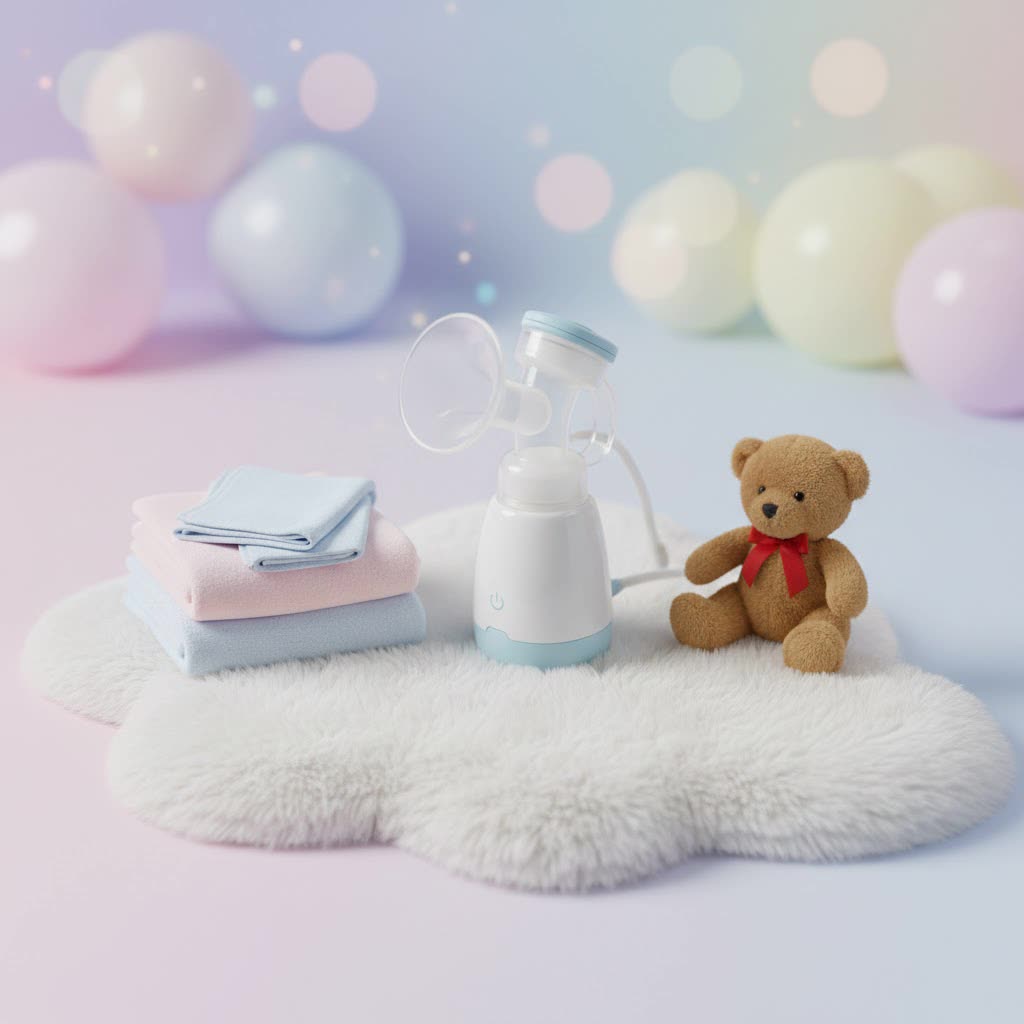
In the dynamic journey of motherhood, balancing personal needs with the demands of a new baby can feel like a constant juggle. For many breastfeeding parents, expressing milk is a vital part of this balance, enabling partners to share feeding duties, maintaining milk supply, or providing milk when away from their little one. Traditional breast pumps, while effective, often tether mothers to an outlet, making mobility a luxury. This is where the portable electric breast pump emerges as a game-changer, offering unmatched flexibility and convenience. These innovative devices empower parents to pump milk discreetly and efficiently, whether at home, at work, or on the go, transforming the pumping experience into a seamless part of daily life.
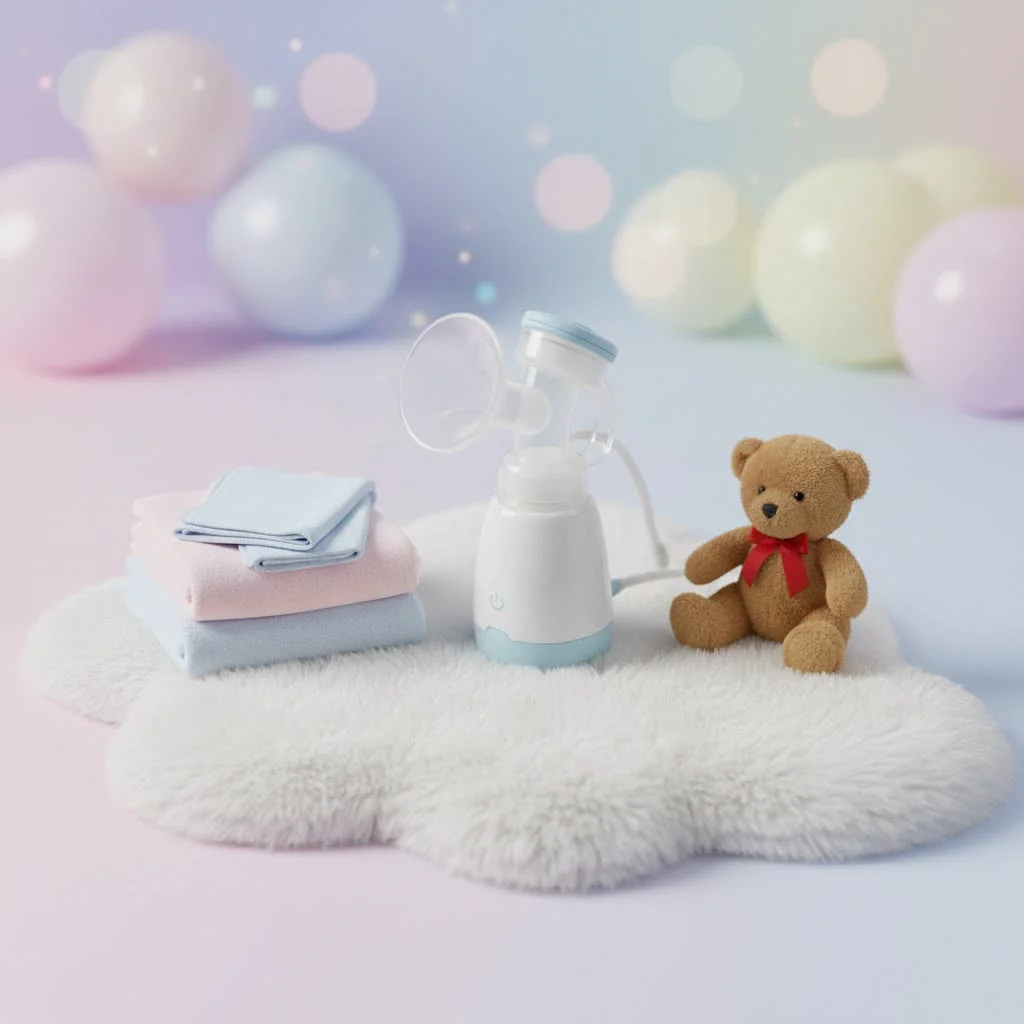
This comprehensive guide delves into everything you need to know about portable electric breast pumps. We will explore the various types available, compare their features, provide expert advice on how to choose the perfect pump for your unique needs, and offer practical tips for use, care, and troubleshooting. Our goal is to equip you with the knowledge to make an informed decision, ensuring your breastfeeding journey is as comfortable and empowered as possible.
Types of Portable Electric Breast Pumps
The world of breast pumps has evolved significantly, offering a range of options to suit diverse lifestyles. When we talk about “portable electric breast pumps,” we are broadly referring to devices designed for mobility, moving beyond the traditional wall-plugged models.
-
Manual Breast Pumps: While not electric, manual pumps are the epitome of portability. Operated by hand, they are compact, quiet, and do not require a power source. They are ideal for occasional pumping, relieving engorgement, or as a backup. However, they demand more physical effort and are not suitable for frequent or exclusive pumping.
-
Single Electric Breast Pumps: These electric pumps express milk from one breast at a time. They are often smaller and lighter than double pumps, offering good portability for those who only need to pump one side or have limited space. However, they take twice as long as double pumps to complete a full session.
-
Double Electric Breast Pumps: The most common type of electric pump, double electric models allow you to express milk from both breasts simultaneously. This significantly reduces pumping time and can be more effective at stimulating milk production. Portable versions of these pumps come with a rechargeable battery, freeing you from wall outlets.
-
Hands-Free Wearable Electric Breast Pumps: These represent the pinnacle of discretion and mobility. Designed to fit directly inside your bra, wearable pumps often have the motor integrated into the collection cup, eliminating external tubing and bulky motors. They allow for complete freedom of movement, making it possible to pump virtually anywhere without anyone noticing. Brands like Elvie and Momcocozy are popular examples. While incredibly convenient, some wearable pumps may have slightly less powerful suction compared to traditional electric models.
-
Hybrid Portable Electric Breast Pumps: Bridging the gap between traditional and wearable, these pumps feature a compact, rechargeable motor that can be clipped to your clothing or worn around your neck, connected to the collection cups by tubing. They offer powerful suction, often comparable to hospital-grade pumps, while still providing significant mobility. The Spectra S1 Plus is a well-known example in this category. They offer a strong balance of power and portability, suitable for regular or exclusive pumpers who need to move around.
Detailed Comparison of Portable Electric Breast Pumps
|
Our Picks for the Best Breast Pump in 2026
As an Amazon Associate I earn from qualifying purchases.
|
||
| Num | Product | Action |
|---|---|---|
| 1 | Momcozy M5 Smart APP Controlled Wearable Breast Pump, Hands-Free Wireless Electric Pump, 3 Modes 9 Suction Levels, BPA-Free, Portable Lightweight, 24mm Flange, 2-Pack Quill Gray |

|
| 2 | Momcozy M5 Smart APP Controlled Wearable Breast Pump, Hands-Free Wireless Electric Pump, 3 Modes 9 Suction Levels, BPA-Free, Portable Lightweight, 24mm Flange, 2-Pack Cozy Red |
|
| 3 | Hands Free Breast Pump, Wearable Breastfeeding Pump with 4 Mode & 9 Level, Strong Suction, Painless, Anti-Backflow, BPA Free, Portable Electric Breast Pumps with 17/19/21/24MM Flanges |
|
| 4 | NCVI Electric Breast Pump 8782, Portable Hospital-Grade Double Pump with 4 Modes & 9 Levels, Anti-Backflow, Rechargeable Quiet Breastfeeding Pump for Efficient Comfortable Use at Home, Work or Travel |
|
| 5 | Momcozy M5 Lite Hands-Free Wearable Breast Pump, DoubleFit Flange for Baby-Like Comfort, 3 Modes & 9 Suction Levels, No Flange Insert or Hard Carry Case, 24mm, 2-Pack, Cozy Red |
|
| 6 | Lulia Double Electric Breast Pump, Breastfeeding Pump 4 Modes & 9 Levels, Low Noise, Anti-Backflow & LED Display, BPA Free, Portable Breast Pumps with 24mm Flange |
|
| 7 | Hands Free Breast Pump Wearable MY-375 - Strong Suction, Low Noise, Wearable Breastfeeding Pump with 4 Mode &12 Levels, Portable Electric Breast Pump 24mm - 19/21/Insert/Flange, 2 Pack (White) |
|
| 8 | Paruu Hands Free Breast Pump P16, Wearable Breast Pump Electirc Portable with 4 Modes & 12 Levels, Max 309mmHg Strong Suction 19/21/24mm Flange Inserts Wearable Breastfeeding Pump, 2 Pack(Nude |
|
| 9 | Momcozy Wearable Breast Pump, Hands Free Upgraded Mobile Flow - M9, App Discreet Control with Personalized Multi-Modes & 15 Levels, Wearable Breast Pump 24mm, 2 Pack Cozy Red |
|
| 10 | Momcozy Breast Pump V1 Pro Hospital-Grade, Hands-Free & Portable Wearable Pump, Upgraded Electric Pump with 3 Fine-Tuned Rhythms-15 Levels, Come with Leak-Proof DoubleFit Flange, Cozy Red. |
|
Choosing the right portable electric breast pump often comes down to balancing various factors. Here’s a comparison to help highlight the key differences:
| Feature | Wearable Electric Pump | Hybrid Portable Electric Pump |
|---|---|---|
| Mobility/Discretion | Highest. Fully in-bra, no visible motor or tubes. | High. Small, clip-on motor, visible tubing. |
| Suction Power | Generally moderate, may be less than hospital-grade. | Often strong, some offer hospital-grade strength. |
| Noise Level | Very quiet, designed for discretion. | Can vary; some are very quiet, others more audible. |
| Ease of Cleaning | Varies by model; typically few parts, but can be intricate. | Usually straightforward, with separate flange and bottle parts. |
| Battery Life | Varies widely (e.g., 2.5 hours to multiple sessions). | Generally good, often designed for extended use. |
| Typical Price Range | Higher end. | Mid to high range. |
| Suitability | Occasional to regular pumping, multitasking, discretion. | Regular to exclusive pumping, strong output, mobility. |
| Visual Monitoring | Challenging to see nipple alignment during pumping. | Easier to monitor milk flow and nipple fit. |
How to Choose the Right Portable Electric Breast Pump
Selecting the ideal portable electric breast pump requires a thoughtful assessment of your personal needs, lifestyle, and pumping goals.
-
Assess Your Lifestyle and Pumping Needs:
- Frequency: How often will you pump? Daily, multiple times a day, or occasionally? Frequent pumpers may need more robust, powerful options.
- Location: Will you primarily pump at home, at work, while commuting, or traveling? This impacts the need for discretion, battery life, and overall size.
- Purpose: Are you building a freezer stash, maintaining supply, relieving engorgement, or exclusively pumping? Exclusive pumpers often require stronger, more efficient pumps.
- Mobility: Do you need to walk around freely, or is being tethered to a small motor acceptable? Fully wearable pumps offer the most freedom.
-
Consider Your Budget: Portable electric breast pumps range significantly in price. Research whether your health insurance covers a breast pump, as many plans offer them at no or low cost. Factor in the cost of replacement parts and accessories.
-
Key Features to Look For:
- Suction Strength and Modes: Look for pumps with adjustable suction levels and multiple modes (stimulation/massage and expression). A strong, yet comfortable, suction is crucial for efficient milk removal. Some pumps even mimic a baby’s natural suckling pattern.
- Battery Life and Charging: A strong battery life is essential for portability. Check how many pumping sessions a full charge lasts and the charging time. USB-C charging is a convenient feature for charging on the go.
- Noise Level: A quiet pump is highly valued for discreet pumping, especially in public or at work. Read reviews for insights into actual noise levels.
- Ease of Cleaning and Assembly: Pumping can be time-consuming; a pump with fewer parts and easy-to-clean components (dishwasher-safe options are a plus) will save you valuable time and reduce frustration.
- Flange Size and Comfort: The correct flange size is paramount for comfort and efficiency. Many mothers do not fit the standard sizes. Ensure the pump offers various flange sizes or compatible options. Pumping should never be painful.
- Milk Collection Capacity and System: Consider the capacity of the collection cups and whether it’s an open or closed system. Closed-system pumps have a barrier to prevent milk from entering the tubing and motor, making them more hygienic and easier to clean.
- Smart Features: Some pumps connect to smartphone apps, allowing you to control settings, track pumping sessions, and monitor milk output. This can be a significant convenience for tech-savvy parents.
- Durability and Warranty: A breast pump is an investment. Look for durable construction and a good warranty to protect against potential issues.
“The best breast pump isn’t necessarily the most expensive or the most feature-rich; it’s the one that seamlessly integrates into your unique life, meets your milk supply needs, and makes your pumping journey comfortable and sustainable.” – ReviewsQuik.com Admin, Breast Pump Expert
Top-Rated Portable Electric Breast Pumps
The market offers a variety of highly regarded portable electric breast pumps from leading brands, each with its unique strengths:
- Spectra: Known for its hospital-grade strength and comfortable suction, the Spectra S1 Plus is a popular hybrid portable pump with a rechargeable battery and quiet operation, making it a favorite for many parents, including exclusive pumpers.
- Medela: A long-standing brand in breastfeeding, Medela offers portable options like the Freestyle Flex and Swing Maxi, which are recognized for their reliability, efficiency, and compact design. The Freestyle Hands-free is also a wearable option that many parents find easy to use.
- Momcozy: This brand has gained significant popularity for its range of affordable and effective wearable pumps, such as the M5, S9 Pro-K, and S12 Pro. These are praised for their hands-free convenience and strong suction among wearable models.
- Elvie: The Elvie Pump and Elvie Stride revolutionized the wearable pump market with their sleek, discreet, and quiet designs. They are excellent for those prioritizing maximum discretion and hands-free mobility.
- Willow: Similar to Elvie, Willow pumps (like the Willow Go) offer fully in-bra, cord-free pumping with smart features, often favored for their leak-proof mobility.
- BabyBuddha: This compact, lightweight pump is revered for its strong suction, often compared to hospital-grade models, in a portable package with tubing. It’s an excellent choice for those who need power on the go.
Proper Use and Care of Your Portable Electric Breast Pump
To ensure effective pumping and maintain hygiene, proper use and care of your breast pump are crucial.
- Assembly: Always follow the manufacturer’s instructions carefully to assemble your pump. Incorrect assembly can lead to loss of suction or leaks.
- Operation:
- Start with the massage or stimulation mode (a faster, lighter suckling) for the first 1-2 minutes to initiate your letdown reflex.
- Once milk begins to flow, switch to the expression mode (a slower, deeper suckling) and adjust the suction level to a comfortable yet effective setting. Pumping should not cause pain.
- Aim for pumping sessions of 15-20 minutes, or until your breasts feel empty.
- Cleaning and Sterilization:
- Immediately after each use: Disassemble all parts that come into contact with milk. Rinse them under cool running water to remove milk residue, then wash thoroughly with warm soapy water using a dedicated brush.
- Air drying: Place cleaned parts on a clean paper towel or drying rack and allow them to air dry completely to prevent bacterial growth.
- Sterilization: While daily sterilization isn’t always necessary for healthy, full-term babies (unless recommended by a healthcare professional), regular sterilization (e.g., once a day or every few days) is good practice. This can be done by boiling parts in water for 5-10 minutes, using a steam sterilizer, or a dishwasher with a sanitizing cycle. Always check manufacturer guidelines for heat-sensitive parts.
- Storage: Store dry pump parts in a clean, covered container. Store expressed breast milk in clean, sealed bottles or milk storage bags in the refrigerator or freezer according to established guidelines.
- Flange Sizing: Re-evaluate your flange size periodically, as nipple size can change over time. An improperly sized flange can lead to discomfort, nipple damage, and reduced milk output. Consult a lactation consultant if you experience pain or persistently low output.
Common Issues and Troubleshooting with Portable Electric Breast Pumps
Even with the best equipment, you might encounter minor issues. Here’s how to troubleshoot common problems:
-
Pump Not Suctioning or Suction is Weak:
- Check Assembly: Ensure all parts are correctly assembled, including flanges, valves, and membranes. Even a tiny gap can affect suction.
- Inspect Parts: Look for cracks, tears, or wear on valves, membranes, or tubing. Replace worn parts regularly.
- Battery Level: Make sure the pump is fully charged. Low battery can reduce suction power.
- Tubing (for hybrid pumps): Check for kinks or damage in the tubing. Ensure it’s securely connected.
-
Pain During Pumping:
- Flange Size: The most common cause of pain. Your flange might be too small or too large. Consult a lactation consultant to ensure a proper fit.
- Suction Level: The suction might be too high. Gradually increase the suction until it’s effective but comfortable, never painful.
- Nipple Alignment: Ensure your nipple is centered in the flange tunnel.
-
Low Milk Output:
- Flange Fit: Incorrect flange size can significantly impact milk removal.
- Pump Settings: Experiment with different suction and cycle settings to find what works best for your body. Sometimes a faster cycle with lighter suction in stimulation mode, followed by a slower cycle with stronger suction in expression mode, is optimal.
- Pumping Frequency/Duration: Ensure you’re pumping often enough and long enough to fully empty your breasts.
- Pump Quality: If output remains consistently low despite troubleshooting, the pump itself might not be strong enough for your needs.
-
Leaks:
- Component Assembly: Double-check that all collection cup components are sealed tightly.
- Positioning: For wearable pumps, ensure the pump is correctly positioned within your bra and remains upright or within its recommended mobility range.
- Damage: Inspect cups for any cracks or damage.
-
Battery Not Holding Charge:
- Charging Cable/Adapter: Ensure you’re using the correct charger and that it’s functioning properly.
- Battery Health: Over time, rechargeable batteries can degrade. If the pump is old, the battery may need replacing or the pump itself may be nearing its end of life.
Where to Buy Reliable Portable Electric Breast Pumps
Purchasing a reliable portable electric breast pump is key to a successful pumping experience. You can find these devices at:
- Specialty Mother and Baby Stores: These stores often have knowledgeable staff who can offer advice and allow you to see and feel different models.
- Major Retailers: Large retail chains and their online platforms carry a wide selection of breast pumps from various brands.
- Online E-commerce Sites: Websites offer competitive pricing and a vast array of choices, often with user reviews to help guide your decision. Always ensure you are buying from an authorized seller to guarantee product authenticity and warranty.
- Direct from Manufacturer Websites: Purchasing directly ensures authenticity and often provides access to the full product range and direct customer support.
- Through Insurance Providers: Many insurance plans cover breast pumps. Contact your provider or use a service that helps you qualify for a pump through insurance.
Always verify the warranty and return policy before making a purchase.
Conclusion
The evolution of portable electric breast pumps has truly transformed the landscape for modern parents, offering unparalleled freedom and efficiency. Whether you’re navigating a busy workday, traveling, or simply seeking more flexibility in your daily routine, these devices empower you to maintain your breastfeeding goals without being tied down. From the discreet, fully wearable models that blend seamlessly into your bra to the powerful hybrid options balancing robust suction with convenient mobility, there’s a portable electric breast pump designed to meet nearly every need.
Remember, the “best” pump is a deeply personal choice, dependent on your individual lifestyle, milk supply, comfort preferences, and budget. Taking the time to research, compare features, and understand your own needs will guide you toward a pump that supports your unique journey. Don’t hesitate to consult with lactation experts for personalized advice on flange sizing and pumping techniques to maximize your comfort and output. Embrace the freedom and confidence that a well-chosen portable electric breast pump can bring, empowering you to nourish your baby while living your life to the fullest.
What aspect of portable electric breast pumping are you most excited to integrate into your daily life?
Frequently Asked Questions
Are wearable breast pumps as effective as traditional ones for milk supply?
Wearable breast pumps offer incredible convenience and discretion, making them excellent for maintaining supply and pumping on the go. While many users achieve great results, some wearable models might have slightly less powerful suction than hospital-grade or robust plug-in pumps. For exclusive pumpers or those struggling with supply, a hybrid portable pump or a traditional pump might be more effective as a primary device.
How often should I clean my portable electric breast pump?
All parts of your portable electric breast pump that come into contact with breast milk should be disassembled and cleaned immediately after each use. This involves rinsing under cool water, washing with warm soapy water, and air drying. Sterilization frequency varies, but it’s generally recommended for at least once a day for the first few months or as advised by your healthcare provider.
Can I use a portable electric breast pump as my primary pump?
Yes, many parents successfully use portable electric breast pumps, especially hybrid models with strong suction or powerful wearable pumps, as their primary pumping solution. It depends on your individual milk supply, comfort, and the pump’s capabilities. If you plan to exclusively pump, ensure the pump offers hospital-grade or comparable suction and reliable battery life for frequent, efficient sessions.
What is the ideal suction level for a portable electric breast pump?
The ideal suction level is one that effectively empties your breasts without causing any pain or discomfort. It’s crucial to start with a lower suction setting and gradually increase it to the highest comfortable level. Most pumps also offer different modes (stimulation/massage and expression) to mimic a baby’s natural feeding pattern, which optimizes milk flow.
How long does the battery typically last on a portable electric breast pump?
Battery life varies significantly by model and brand, but most portable electric breast pumps offer enough charge for 2 to 5 pumping sessions. Some higher-end models can last even longer. Always check the manufacturer’s specifications and consider your typical pumping frequency and duration to ensure the battery life meets your needs throughout the day.
Get our weekly buyer guide
Practical specs, not advice. Unsubscribe anytime.
