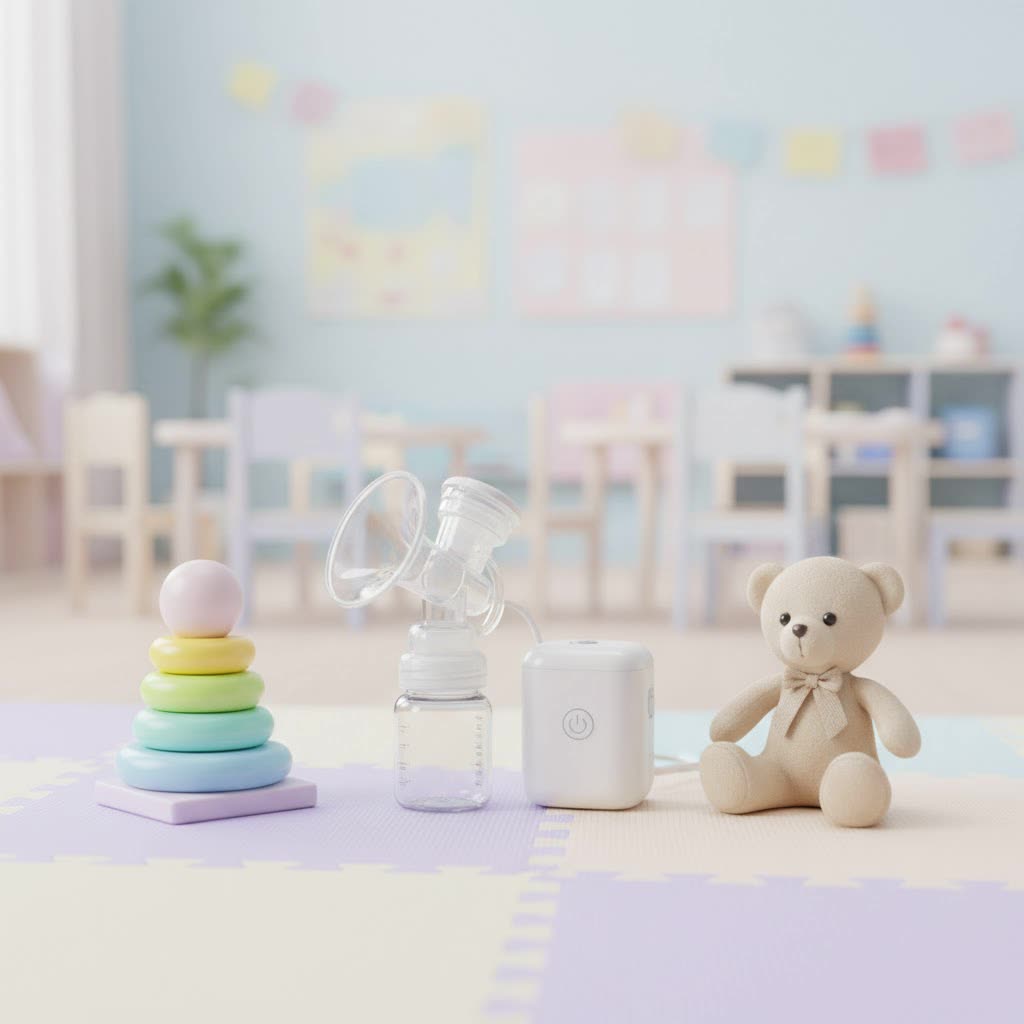
The journey of motherhood is a beautiful, demanding, and often multitasking adventure. For many parents, breast pumping becomes an essential part of providing nourishment for their babies, yet the traditional setup can feel confining. Imagine being able to express milk while working, driving, or caring for another child, all without being tethered to an outlet. This is where the cordless breast pump revolutionizes the experience. As an Admin of ReviewsQuik.com with over a decade of specialized experience in breast pump technology, I’ve witnessed firsthand how these devices offer unparalleled freedom and convenience. This comprehensive guide will walk you through everything you need to know about cordless breast pumps, helping you make an informed choice to seamlessly integrate pumping into your dynamic life.
Types of Cordless Breast Pumps
When we talk about “cordless breast pumps,” we are primarily referring to hands-free and wearable electric pumps designed for maximum mobility. While the core benefit is freedom from cords, these pumps come in a few distinct configurations:
- Truly Wireless Wearable Pumps: These are self-contained units with the motor built directly into the milk collection cups. They fit discreetly inside your bra, offering complete freedom of movement without any external tubes or wires. Brands like Elvie and Willow are pioneers in this category.
- Hands-Free Portable Pumps with External Motors: Some cordless options feature a compact, rechargeable motor that clips onto your waistband or fits into a pocket, connected by thin tubing to collection cups worn inside your bra. While not entirely “wire-free” from the cups, they still provide significant freedom compared to traditional pumps. Examples include certain models from Medela and Spectra when paired with wearable cups.
Understanding these distinctions is crucial, as they influence factors like discreetness, portability, and suction strength.
Detailed Comparison of Cordless Breast Pumps
Choosing a cordless breast pump involves weighing various factors that align with your lifestyle and pumping needs. Here’s a detailed comparison to help you differentiate between the available types and their characteristics:
| Feature | Truly Wireless Wearable Pumps (e.g., Elvie, Willow) | Hands-Free Portable Pumps with External Motors (e.g., Medela Freestyle, Spectra S1/S2 with cups) |
|---|---|---|
| Pros | Extremely discreet, full mobility, no tubes, often quiet, smart features/app control | Often stronger suction (closer to hospital-grade), more versatile with different cup options, reliable for supply building |
| Cons | Can be expensive, suction may be less powerful than traditional, smaller capacity, prone to leaks if bent over, learning curve for optimal fit | Less discreet due to external motor/tubing, still offers hands-free convenience but not entirely “invisible” |
| Price Range | Higher-end ($200 – $550+) | Mid-range to higher-end ($150 – $400+) |
| Noise Level | Generally very quiet, designed for discreet use | Can be louder than truly wireless, though many models are still quieter than traditional plug-in pumps |
| Portability | Ultimate portability, fits entirely in bra | Highly portable, but requires managing external motor and tubing |
| Suitability | Ideal for multitasking, pumping in public, occasional use, maintaining supply | Great for frequent pumping, establishing/maintaining supply, flexibility at home/work |
How to Choose the Right Cordless Breast Pump
|
Our Picks for the Best Breast Pump in 2026
As an Amazon Associate I earn from qualifying purchases.
|
||
| Num | Product | Action |
|---|---|---|
| 1 | Hands Free Breast Pump, Wearable Breastfeeding Pump with 4 Mode & 9 Level, Strong Suction, Painless, Anti-Backflow, BPA Free, Portable Electric Breast Pumps with 17/19/21/24MM Flanges |

|
| 2 | Momcozy Breast Pump V1 Pro Hospital-Grade, Hands-Free & Portable Wearable Pump, Upgraded Electric Pump with 3 Fine-Tuned Rhythms-15 Levels, Come with Leak-Proof DoubleFit Flange, Cozy Red. |
|
| 3 | Momcozy M5 Smart APP Controlled Wearable Breast Pump, Hands-Free Wireless Electric Pump, 3 Modes 9 Suction Levels, BPA-Free, Portable Lightweight, 24mm Flange, 2-Pack Cozy Red |
|
| 4 | NCVI Electric Breast Pump 8782, Portable Hospital-Grade Double Pump with 4 Modes & 9 Levels, Anti-Backflow, Rechargeable Quiet Breastfeeding Pump for Efficient Comfortable Use at Home, Work or Travel |
|
| 5 | Momcozy M5 Smart APP Controlled Wearable Breast Pump, Hands-Free Wireless Electric Pump, 3 Modes 9 Suction Levels, BPA-Free, Portable Lightweight, 24mm Flange, 2-Pack Quill Gray |
|
| 6 | Hands Free Breast Pump Wearable MY-375 - Strong Suction, Low Noise, Wearable Breastfeeding Pump with 4 Mode &12 Levels, Portable Electric Breast Pump 24mm - 19/21/Insert/Flange, 2 Pack (White) |
|
| 7 | Momcozy Wearable Breast Pump, Hands Free Upgraded Mobile Flow - M9, App Discreet Control with Personalized Multi-Modes & 15 Levels, Wearable Breast Pump 24mm, 2 Pack Cozy Red |
|
| 8 | Lulia Double Electric Breast Pump, Breastfeeding Pump 4 Modes & 9 Levels, Low Noise, Anti-Backflow & LED Display, BPA Free, Portable Breast Pumps with 24mm Flange |
|
| 9 | Paruu Hands Free Breast Pump P16, Wearable Breast Pump Electirc Portable with 4 Modes & 12 Levels, Max 309mmHg Strong Suction 19/21/24mm Flange Inserts Wearable Breastfeeding Pump, 2 Pack(Nude |
|
| 10 | Momcozy M5 Lite Hands-Free Wearable Breast Pump, DoubleFit Flange for Baby-Like Comfort, 3 Modes & 9 Suction Levels, No Flange Insert or Hard Carry Case, 24mm, 2-Pack, Cozy Red |
|
Selecting the best cordless breast pump is a personal decision that hinges on your unique circumstances. Consider these factors to find your perfect match:
-
Assess Your Pumping Needs:
- Frequency: Are you an occasional pumper, returning to work part-time, or exclusively pumping? Exclusive pumpers may need a pump with stronger, more consistent suction to establish and maintain supply.
- Location: Will you primarily pump at home, at the office, during commutes, or while traveling? This will dictate the level of discretion and portability you need.
- Purpose: Is it for building a stash, maintaining supply, or providing milk while separated from your baby?
-
Budget and Insurance Coverage: Cordless breast pumps can be a significant investment. Research what your insurance plan covers, as many now offer options for hands-free pumps, sometimes with an upgrade fee. Weigh the upfront cost against the benefits of convenience and long-term use.
-
Essential Features:
- Suction Strength and Modes: Look for adjustable suction levels and multiple modes (stimulation/letdown and expression) to mimic your baby’s natural feeding rhythm. While some wearable pumps have gentler suction, many are powerful enough for efficient milk removal.
- Flange Sizing: This is paramount for comfort and efficiency. Pumps offering a variety of flange sizes or guides for measuring your nipples will ensure a proper, pain-free fit.
- Battery Life: Check the estimated battery life and read reviews for real-world performance, especially on higher suction settings. A pump that lasts for multiple sessions without recharging is ideal for busy parents.
- Noise Level: A quieter pump allows for more discreet pumping in public or shared spaces.
- Portability and Design: Consider the overall size, weight, and how discreetly it fits under clothing.
- Smart Features: Some pumps offer app connectivity for tracking sessions, adjusting settings, and monitoring milk output, adding an extra layer of convenience.
-
Brand Reputation and Reviews: Research reputable brands like Momcozy, Elvie, Willow, Spectra, Medela, and Eufy. Look for consistent positive feedback regarding durability, customer support, and warranty policies. Real-world reviews from other parents offer invaluable insights.
Top Cordless Breast Pumps
The market offers a wide array of excellent cordless breast pumps. Here are some highly-rated options that consistently receive praise for their innovation and performance:
- Momcozy M5 & S12 Pro: Momcozy offers popular, budget-friendly wearable options known for their hands-free convenience, multiple modes, and varying flange sizes. The M5 is lauded for its horizontal pumping angle, mimicking natural feeding, while the S12 Pro is often praised for strong suction and efficiency, making it suitable for regular use.
- Elvie Pump & Elvie Stride 2: The original Elvie Pump is celebrated for its incredibly discreet, truly wireless design, fitting entirely in your bra. The Elvie Stride 2 offers hospital-grade suction with a more compact, connected motor, providing a balance of power and portability.
- Willow Go: This fully in-bra wearable pump uses reusable collection containers and offers robust suction. It’s known for its smart features and effective milk expression, making it a strong contender for those needing flexibility.
- Eufy S1 Pro: An innovative option that includes a warming feature, which can enhance comfort and milk output. It boasts strong suction and a convenient wireless charging case.
- Medela Freestyle Hands-free: Medela’s entry into the wearable market provides comfortable, lightweight cups that connect to a small, external motor. It offers Medela’s trusted pumping technology with added mobility.
- Spectra S1 Plus (Portable with Wearable Cups): While the S1 Plus is a highly-regarded portable pump, it’s not truly wearable on its own. However, when paired with compatible hands-free collection cups (like Legendairy Milk cups), it transforms into a powerful, hands-free solution, offering hospital-grade suction.
Each of these pumps caters to slightly different needs and preferences, so consider their specific features in relation to your own pumping journey.
How to Use and Clean Your Cordless Breast Pump Correctly
Proper usage and meticulous cleaning are crucial for the effectiveness, hygiene, and longevity of your cordless breast pump.
How to Use:
- Proper Assembly: Always refer to your pump’s manual. Ensure all parts are correctly assembled and securely fitted to create an airtight seal. Incorrect assembly is a common cause of poor suction.
- Flange Sizing: The right flange size is critical. An ill-fitting flange can cause pain, damage to the nipple, and inefficient milk removal. Use a nipple ruler or consult a lactation consultant to find the correct size, as it can even vary between breasts.
- Adjusting Suction Settings: Start with a gentle suction level and gradually increase it to a comfortable yet effective setting. The goal is to maximize milk flow without causing pain. Most pumps have different modes (massage/stimulation and expression); use the massage mode first to initiate letdown, then switch to expression.
- Positioning: Ensure the pump cups are positioned correctly and your nipple is centered within the flange tunnel for optimal milk flow and to prevent leaks. Many wearable pumps require you to remain mostly upright to avoid spills.
Cleaning and Sterilization:
Maintaining hygiene is non-negotiable for your baby’s health.
- Clean Immediately After Use: Rinse all parts that come into contact with milk under cold running water to remove residue. This prevents milk from drying and sticking, making subsequent cleaning easier.
- Disassemble Fully: Take apart all detachable components, including flanges, valves, membranes, and collection cups.
- Wash with Warm Soapy Water: Use a clean basin (not directly in the sink to avoid contamination) with warm water and a mild, baby-safe dish soap. Scrub each part thoroughly with a dedicated bottle brush, paying attention to crevices.
- Rinse Thoroughly: Rinse all parts under warm running water to remove all soap residue.
- Sanitize (Sterilize):
- Daily for babies under 3 months or if unwell: Use a steam sterilizer, boiling water (check manufacturer guidelines for how long to boil, typically 5-10 minutes), or a UV sterilizer.
- For older, healthy babies: Daily sanitization may not be strictly necessary if parts are thoroughly washed, but always check local health guidelines and your pump’s manual.
- Air Dry Completely: Place all cleaned and sanitized parts on a clean drying rack or paper towel. Allow them to air dry completely before reassembling or storing. Avoid using cloth towels, which can transfer lint or bacteria.
- Proper Storage: Once dry, store the pump parts in a clean, dry, covered container or bag to protect them from dust and bacteria.
- Replace Worn Parts: Regularly inspect parts like valves and membranes for signs of wear and tear (stretching, tears, discoloration). Worn parts can significantly reduce suction and efficiency. Replace them as recommended by the manufacturer.
Common Issues and How to Fix Them
Even with the best cordless breast pump, you might encounter issues. Here’s how to troubleshoot common problems:
- Pump Not Suctioning or Weak Suction:
- Check Battery: Ensure the pump is fully charged.
- Verify Assembly: Disassemble and reassemble all parts, ensuring a tight seal, especially around flanges and valves.
- Inspect Parts: Look for cracks, tears, or stretching in valves, diaphragms, or tubing. Replace worn components immediately.
- Motor Issue: If the motor itself seems faulty, test it separately if your model allows (e.g., placing thumb over a port to feel suction). Contact customer support if you suspect a motor malfunction.
- Low Milk Output:
- Flange Fit: Re-evaluate your flange size. An incorrect fit is a primary cause of low output and pain.
- Suction Settings: Experiment with different suction levels and modes. What works for one person might not work for another. Ensure you are starting with a letdown phase.
- Hydration & Nutrition: Ensure you are well-hydrated and eating adequately.
- Power Pumping: Incorporate power pumping sessions to help stimulate supply.
- Warm Compresses: Use warm compresses before or during pumping to encourage letdown.
- Pump Causing Pain:
- Flange Size: Most commonly, pain is due to an ill-fitting flange. Re-measure and try different sizes.
- Suction Level: The suction might be too high. Reduce the intensity to a comfortable level. Pumping should not be painful.
- Nipple Trauma: If pain persists, consult a lactation consultant to rule out issues like nipple trauma or vasospasm.
- Pump Leaking:
- Proper Seal: Ensure the pump cups are properly sealed against your breast and your nipple is centered.
- Capacity: Check if the collection cups are overfilled. Many wearable pumps have a maximum capacity (e.g., 4-5 oz per cup); empty them before they overflow.
- Movement: Avoid bending over or sudden movements that might dislodge the pump or cause milk to spill.
- Worn Parts: Inspect seals, diaphragms, and valves for any damage that could compromise the seal.
- Battery Issues:
- Charging Habits: Always use the original charger and cable. Ensure the pump is fully charged before use.
- Background Apps/Bluetooth: If your pump has smart features, ensure unnecessary apps or Bluetooth connections are closed or disconnected when not needed, as they can drain power.
- Power Bank: Carry a portable power bank for on-the-go charging if you anticipate extended use.
Where to Buy Cordless Breast Pumps
Cordless breast pumps are widely available, offering various purchasing avenues to suit your convenience:
- Specialized Baby Stores: Many large baby and maternal care retailers carry a selection of popular cordless breast pump brands. This allows you to see the product in person and often consult with staff.
- Online Retailers: Websites like Amazon, Target, and BuyBuyBaby offer extensive selections, competitive pricing, and user reviews.
- Brand Websites: Purchasing directly from the manufacturer’s website (e.g., Momcozy.com, Elvie.com) often ensures you receive genuine products, access to their full range, and direct customer support.
- Authorized Dealers and Medical Suppliers: These are excellent options, especially if you’re looking to use insurance coverage, as they often handle the paperwork and direct billing.
Conclusion
The evolution of cordless breast pumps has truly transformed the pumping experience, offering mothers unprecedented freedom and flexibility. From discreet designs that allow you to pump anywhere to innovative features that maximize comfort and efficiency, these devices empower you to meet your breastfeeding goals without compromising your busy lifestyle. By carefully considering your individual needs, researching key features like suction strength, battery life, and flange fit, and adhering to proper usage and cleaning routines, you can confidently choose a cordless breast pump that becomes an indispensable companion on your maternal journey. Embrace the freedom to nourish your baby on your terms.
What aspect of cordless breast pumps do you find most appealing for your daily routine?
Frequently Asked Questions
Are wearable breast pumps as effective as traditional electric pumps?
Many wearable breast pumps are designed to be highly effective and can empty breasts efficiently, especially for maintaining milk supply. While some traditional hospital-grade pumps might offer slightly stronger suction, many wearable models provide comparable performance for regular pumping, with the added benefit of mobility.
Can I exclusively pump with a cordless breast pump?
Yes, it is possible to exclusively pump with a cordless breast pump. However, it’s crucial to choose a model known for consistent suction and efficiency to ensure you fully empty your breasts and maintain your milk supply. Some exclusive pumpers find a hospital-grade pump more suitable for establishing supply initially, using a wearable as a convenient secondary option.
How often do I need to clean my cordless breast pump?
All parts of your cordless breast pump that come into contact with breast milk should be disassembled and cleaned immediately after each use. Daily sterilization is recommended for babies under three months old or if your baby is unwell.
What should I do if my cordless breast pump is not suctioning properly?
First, check if the battery is fully charged. Then, disassemble and reassemble all parts, ensuring they are correctly and securely fitted to create an airtight seal. Inspect all silicone components (valves, diaphragms) for any damage or wear. If the problem persists, consult your pump’s troubleshooting guide or contact customer support.
Are all cordless breast pumps quiet?
Most cordless breast pumps are designed with discretion in mind and operate at a significantly lower noise level than older, traditional pumps. However, the exact noise level can vary between brands and models. Reading user reviews can give you a good indication of a pump’s real-world quietness.
Is it normal to get less milk with a wearable pump compared to a plug-in pump?
Some individuals may initially experience slightly less milk output with a wearable pump compared to a powerful plug-in pump. This can often be mitigated by ensuring correct flange sizing, optimizing suction settings, and consistently emptying the breasts. If you find a significant drop in supply, consult a lactation consultant.
Can insurance cover the cost of a cordless breast pump?
Many health insurance plans in various countries now offer coverage for breast pumps, including some cordless or wearable models. Coverage can vary from fully covered to requiring an upgrade fee. It’s best to contact your insurance provider directly or work with an authorized medical supplier to understand your specific benefits.
Get our weekly buyer guide
Practical specs, not advice. Unsubscribe anytime.
