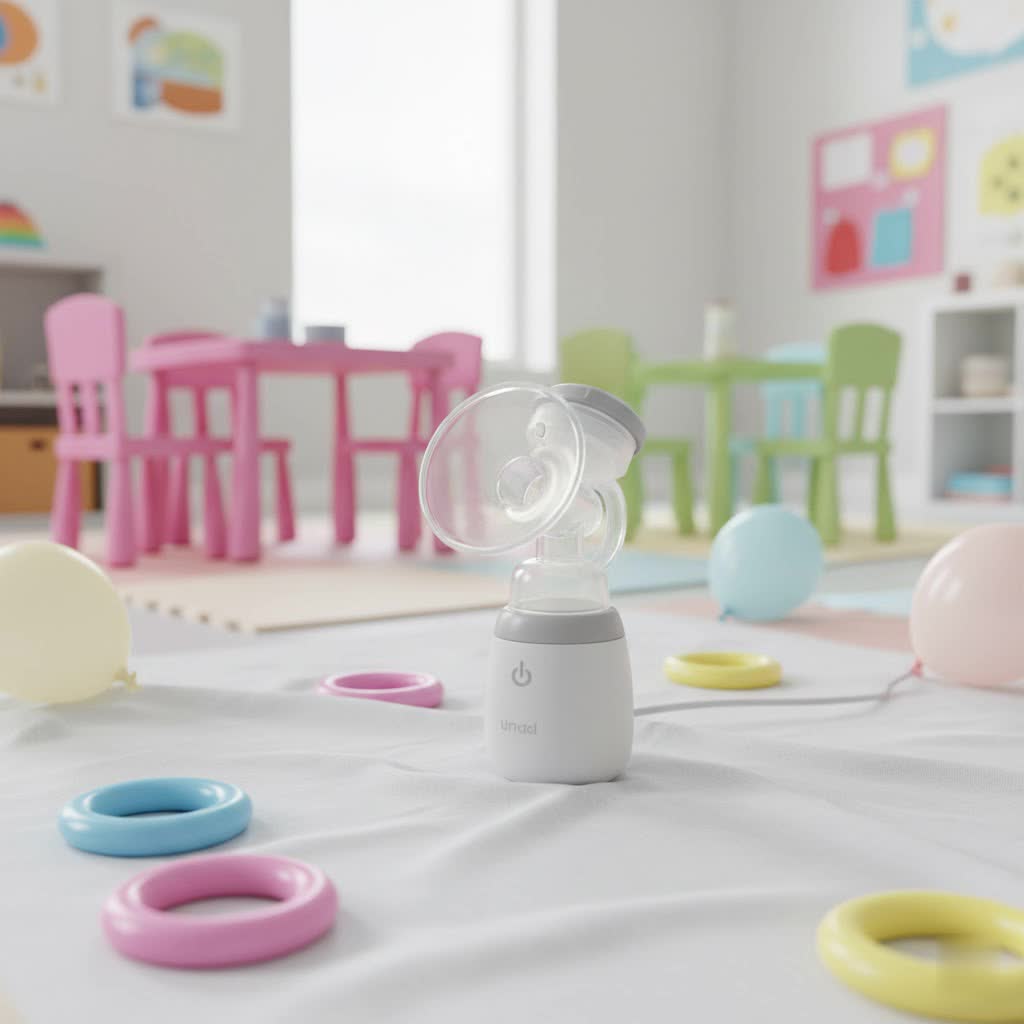
Bringing a new baby into the world is an incredible journey, filled with joy, challenges, and countless decisions. For many mothers, the breast pump becomes an indispensable tool, offering flexibility and ensuring your little one receives precious breast milk even when you can’t be there for every feeding. Whether you’re planning to return to work, building a milk stash, or managing your milk supply, understanding the world of breast pumps is key to a successful and comfortable experience. This comprehensive guide will walk you through everything you need to know, from different types of pumps to choosing the right one for your unique lifestyle and troubleshooting common issues.
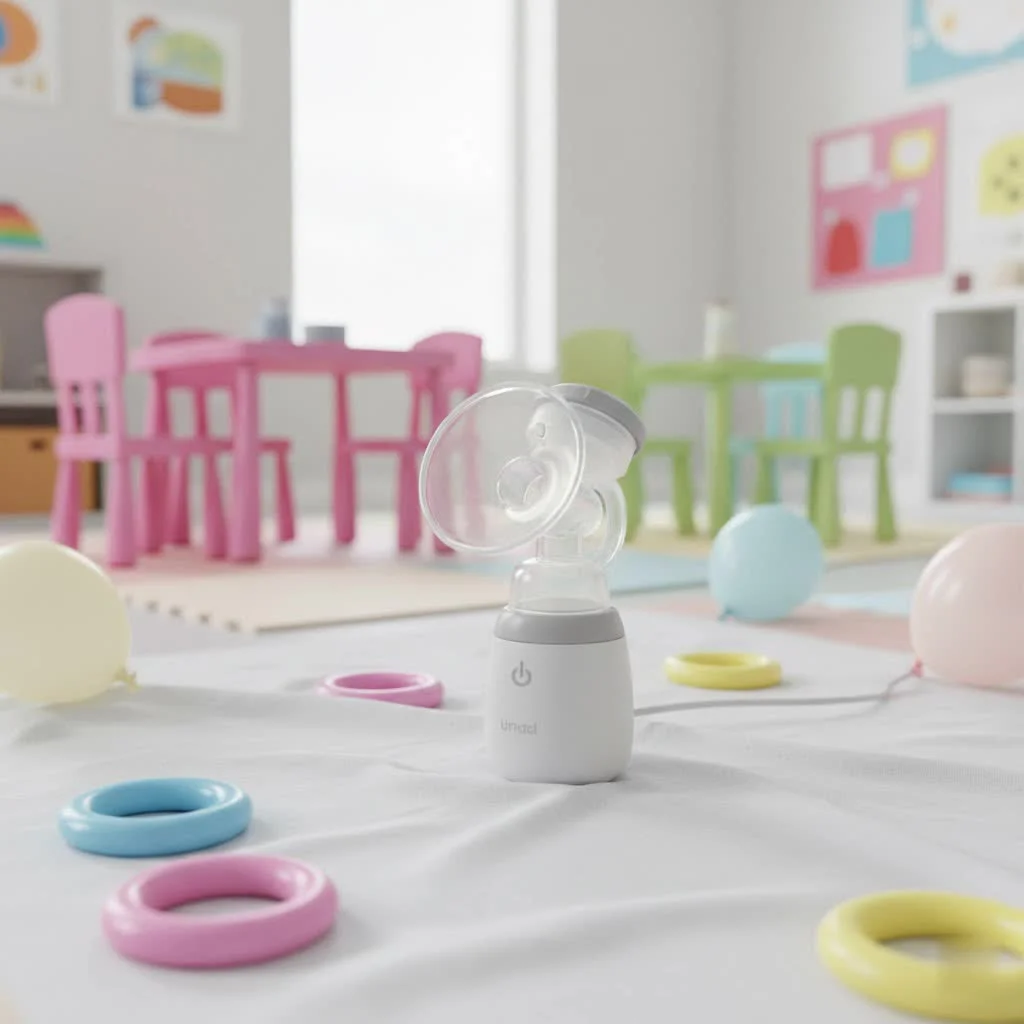
Understanding the Different Types of Breast Pumps
The market offers a diverse range of breast pumps, each designed to meet specific needs and lifestyles. Knowing the characteristics of each type is the first step in finding your perfect match. For expert breast pump reviews on this site.
Manual Breast Pumps
Manual pumps are hand-operated devices, requiring you to physically squeeze a handle to create suction and express milk.
- Best for: Occasional pumping, relieving engorgement, or as a backup.
- Key features: Lightweight, portable, quiet, and typically the most affordable option.
- Considerations: Can be tiring for frequent use and may not be as efficient for establishing a full milk supply.
Electric Breast Pumps
Electric pumps use a motor to create suction, automating the pumping process. They are broadly categorized into single and double pumps.
-
Single Electric Pumps: Express milk from one breast at a time.
- Best for: Occasional pumping, mothers who primarily breastfeed, or those with limited time for pumping sessions.
- Key features: More efficient than manual pumps, usually quieter and more comfortable for longer sessions.
- Considerations: Takes longer to pump both breasts, which might be a drawback for busy moms.
-
Double Electric Pumps: Allow you to pump from both breasts simultaneously.
- Best for: Regular, frequent pumping, exclusive pumpers, mothers returning to work, or those looking to boost milk supply.
- Key features: Highly efficient, reduces pumping time, and can help maintain a strong milk supply. Many come with adjustable suction and speed settings.
- Considerations: Generally more expensive and might be less portable due to the motor size.
Wearable Breast Pumps
These innovative pumps are designed to be worn discreetly inside your bra, offering ultimate hands-free convenience.
- Best for: Busy, on-the-go mothers who need to pump discreetly at work, during meetings, or while caring for other children.
- Key features: Cordless, tubing-free, quiet operation, and often app-controlled for tracking sessions.
- Considerations: Can sometimes be less powerful than traditional electric pumps and might yield slightly less milk, and typically come at a higher price point.
Hospital-Grade Breast Pumps
|
Our Picks for the Best Breast Pump in 2026
As an Amazon Associate I earn from qualifying purchases.
|
||
| Num | Product | Action |
|---|---|---|
| 1 | Momcozy M5 Smart APP Controlled Wearable Breast Pump, Hands-Free Wireless Electric Pump, 3 Modes 9 Suction Levels, BPA-Free, Portable Lightweight, 24mm Flange, 2-Pack Cozy Red |

|
| 2 | Hands Free Breast Pump, Wearable Breastfeeding Pump with 4 Mode & 9 Level, Strong Suction, Painless, Anti-Backflow, BPA Free, Portable Electric Breast Pumps with 17/19/21/24MM Flanges |
|
| 3 | Hands Free Breast Pump Wearable MY-375 - Strong Suction, Low Noise, Wearable Breastfeeding Pump with 4 Mode &12 Levels, Portable Electric Breast Pump 24mm - 19/21/Insert/Flange, 2 Pack (White) |
|
| 4 | NCVI Electric Breast Pump 8782, Portable Hospital-Grade Double Pump with 4 Modes & 9 Levels, Anti-Backflow, Rechargeable Quiet Breastfeeding Pump for Efficient Comfortable Use at Home, Work or Travel |
|
| 5 | Momcozy M5 Smart APP Controlled Wearable Breast Pump, Hands-Free Wireless Electric Pump, 3 Modes 9 Suction Levels, BPA-Free, Portable Lightweight, 24mm Flange, 2-Pack Quill Gray |
|
| 6 | Momcozy Wearable Breast Pump, Hands Free Upgraded Mobile Flow - M9, App Discreet Control with Personalized Multi-Modes & 15 Levels, Wearable Breast Pump 24mm, 2 Pack Cozy Red |
|
| 7 | Momcozy Breast Pump V1 Pro Hospital-Grade, Hands-Free & Portable Wearable Pump, Upgraded Electric Pump with 3 Fine-Tuned Rhythms-15 Levels, Come with Leak-Proof DoubleFit Flange, Cozy Red. |
|
| 8 | Lulia Double Electric Breast Pump, Breastfeeding Pump 4 Modes & 9 Levels, Low Noise, Anti-Backflow & LED Display, BPA Free, Portable Breast Pumps with 24mm Flange |
|
| 9 | Momcozy M5 Lite Hands-Free Wearable Breast Pump, DoubleFit Flange for Baby-Like Comfort, 3 Modes & 9 Suction Levels, No Flange Insert or Hard Carry Case, 24mm, 2-Pack, Cozy Red |
|
| 10 | Paruu Hands Free Breast Pump P16, Wearable Breast Pump Electirc Portable with 4 Modes & 12 Levels, Max 309mmHg Strong Suction 19/21/24mm Flange Inserts Wearable Breastfeeding Pump, 2 Pack(Nude |
|
These are multi-user pumps with powerful, durable motors designed for initiating and building milk supply, especially in challenging situations.
- Best for: Mothers of premature or special-needs babies, those with milk supply issues, or for short-term rental in a hospital setting.
- Key features: Strong, consistent suction, closed-system technology to prevent cross-contamination, and built for heavy-duty, frequent use.
- Considerations: Often available for rent rather than purchase, due to their specialized nature and higher cost.
Detailed Comparison of Breast Pump Types
Choosing a breast pump can feel overwhelming, but a side-by-side comparison of their key attributes can help clarify which best aligns with your needs.
| Feature | Manual Pump | Single Electric Pump | Double Electric Pump | Wearable Pump | Hospital-Grade Pump |
|---|---|---|---|---|---|
| Pros | Affordable, portable, quiet | Efficient, comfortable | Fastest, boosts supply | Discreet, hands-free | Strongest, highly effective |
| Cons | Tiring for frequent use | Slower than double pumps | Less portable, louder | Higher cost, sometimes less output | Rental, bulky, expensive |
| Price Range | $20 – $50 | $50 – $150 | $100 – $300 | $200 – $500+ | Rental fees (high daily rate) |
| Noise Level | Very quiet | Moderate | Moderate to loud | Very quiet | Moderate |
| Portability | Excellent | Good (some are compact) | Moderate (often comes with tote) | Excellent | Low (typically for home/hospital) |
| Best For | Occasional use, backup | Part-time pumping | Full-time pumping, boosting supply | On-the-go, work, discretion | Initiating/establishing supply, medical needs |
How to Choose the Right Breast Pump for You
Finding the ideal breast pump is a highly personal decision. What works perfectly for one mother might not suit another. Consider these factors to guide your choice:
-
Assess Your Pumping Needs:
- Frequency: How often do you plan to pump? If it’s more than once a day, an electric pump is usually more practical. For exclusive pumping, a double electric pump is almost essential.
- Location: Will you mostly pump at home, at work, or on the go? Portability and discretion become vital for outside-the-home pumping.
- Purpose: Are you building a freezer stash, maintaining supply while away from your baby, or primarily hand-expressing and only needing a pump for occasional relief?
-
Consider Your Budget:
Breast pumps vary significantly in price. Manual pumps are the most budget-friendly, while high-end wearable or hospital-grade models can be a significant investment. that many insurance plans cover breast pumps, so explore this option first. -
Essential Features to Look For:
- Suction Strength and Speed Settings: Look for a pump that offers adjustable settings. You’ll want to find a “maximum comfortable vacuum” that is effective without causing pain. Some pumps offer a “letdown mode” (faster, lighter suction) to stimulate milk flow, followed by an “expression mode” (slower, stronger suction) to mimic a baby’s natural feeding pattern.
- Flange Size: The breast shield, or flange, is crucial for comfort and efficiency. An incorrectly sized flange can lead to pain and reduced milk output. Many pumps come with a standard size, but ensure you can purchase different sizes if needed. Your nipple should be centered comfortably in the tunnel and move freely.
- Closed System vs. Open System: A closed-system pump has a barrier that prevents milk from entering the tubing and motor, making it more hygienic and easier to clean, and reducing the risk of contamination. Open systems lack this barrier, requiring more diligent cleaning.
- Portability and Power: If you need to pump on the go, a rechargeable battery or a lightweight design is critical. Consider if you’ll always have access to a wall outlet or if battery power is a must.
- Noise Level: A quiet pump can be a huge benefit, especially for nighttime pumping or pumping in shared spaces.
-
Reputable Brands and User Reviews:
Brands like Medela, Spectra, Philips Avent, Elvie, and Momcozy are well-known and generally trusted in the breast pump market. Reading reviews from other mothers can provide invaluable insights into real-world performance, comfort, and durability.
Top Breast Pumps Loved by Mothers Today
While personal preference varies, certain breast pumps consistently receive high praise for their performance and features:
- Spectra S1/S2 Plus: Often recommended for its hospital-strength suction, quiet operation, and customizable settings, making it a favorite for exclusive pumpers and those wanting to boost supply. The S1 includes a rechargeable battery for added portability.
- Medela Pump In Style with MaxFlow: A long-standing popular choice, known for its efficiency and ability to mimic a baby’s natural sucking pattern through its 2-Phase Expression technology.
- Elvie Pump / Elvie Stride: Revolutionized wearable pumping with its discreet, hands-free design. The Elvie Stride offers hospital-grade suction in a more compact, wearable form, controlled via a convenient app.
- Momcozy Wearable Pumps: Gain popularity for their affordability and discretion, making them a good entry point into wearable pumping for many mothers.
- Lansinoh Manual Breast Pump: A top pick for manual pumps, offering effective milk expression with comfort and ease of use for occasional needs.
“Finding a breast pump that harmonizes with your body’s rhythm is more important than chasing the strongest suction. Comfort and consistent milk removal are your best indicators of a good fit.”
Using and Cleaning Your Breast Pump Correctly
Proper use and meticulous cleaning are essential for both your health and the longevity of your breast pump.
Proper Usage
- Assembly: Always refer to your pump’s instruction manual for correct assembly. Ensure all parts are securely fitted to maintain optimal suction.
- Flange Fit: Before each session, ensure your flange size is correct and your nipple is centered. Pumping should never be painful.
- Adjusting Settings: Start with a gentle suction and a faster speed to stimulate let-down, then adjust to a slower, stronger suction once milk begins to flow. Find what feels comfortable and effective for your body.
- Pumping Duration: Typically, 15-20 minutes per breast or until your breasts feel empty, especially for double pumping.
Essential Cleaning Steps
Cleaning your breast pump parts after every use is crucial to prevent bacteria growth and ensure the safety of your baby’s milk.
- Disassemble: Take apart all pump components that come into contact with breast milk. (Do NOT wash the tubing unless specifically instructed by the manufacturer, as water can get trapped and cause mold.)
- Rinse: Rinse each part under cool running water immediately after use to remove milk residue. Avoid hot water initially, as it can cause milk proteins to stick.
- Wash: Wash each piece separately in a clean basin (not directly in the sink) with warm, soapy water and a dedicated brush. Scrub all surfaces, especially crevices.
- Rinse Thoroughly: Rinse all parts thoroughly under warm running water to remove all soap residue.
- Air Dry: Place all parts on a clean paper towel or a dedicated drying rack. Allow them to air dry completely. Avoid using cloth towels, which can harbor germs.
- Sanitize (Optional, but Recommended for Certain Situations): For babies under three months, premature, or with weakened immune systems, daily sanitization is recommended. This can be done by boiling parts for 5-10 minutes, using a steam sterilizer, or a sanitizing dishwasher cycle. Always check manufacturer guidelines.
- Storage: Once completely dry, reassemble your pump or store parts in a clean, covered container until the next use.
Common Breast Pump Problems and How to Fix Them
Even with the best pump, challenges can arise. Here are some common issues and practical solutions:
- Low Milk Output:
- Solution: Recheck your flange size; an ill-fitting flange is a common culprit. Try power pumping (pumping for 10 minutes on, 10 minutes off, for an hour) to simulate cluster feeding and boost supply. Ensure you’re emptying your breasts fully.
- Nipple Pain:
- Solution: This is often due to incorrect flange size or suction settings that are too high. Measure your nipples post-pumping and adjust flange size if necessary. Always start with low suction and gradually increase to your comfortable maximum. Ensure your nipple is centered.
- Weak or Inconsistent Suction:
- Solution: Inspect all pump parts—valves, membranes, diaphragms, and tubing—for wear, tears, or blockages. Replace worn parts regularly (every 3-6 months for silicone parts). Ensure all connections are secure and there’s no condensation in the backflow protector.
- Milk Leaks:
- Solution: Ensure a good seal between the flange and your breast. Your nipple should be centered, and the pump parts properly assembled. Check for any cracks or damage in collection bottles or bags.
- Clogged Ducts or Mastitis:
- Solution: Ensure you’re fully draining your breasts at each pumping session. Use warm compresses and gently massage the affected area while pumping. Pump frequently and consistently. If symptoms persist or worsen, consult a healthcare provider.
- Power Issues:
- Solution: For battery-operated pumps, ensure the battery is fully charged. Use the original charger and consider carrying a backup power bank for portable models. Turn off Bluetooth or app connections if not needed, as they can drain power.
Where to Buy a Breast Pump
When you’re ready to purchase, you have several reliable options:
- Insurance Providers: Thanks to the Affordable Care Act, many new mothers are eligible for a free breast pump through their insurance. Contact your insurance provider or a medical supply company specializing in breast pumps to learn about your coverage options.
- Online Retailers: Websites like Amazon, Target, and specialty baby stores offer a vast selection of breast pumps from various brands, often with competitive prices and user reviews.
- Baby Specialty Stores: Local or national baby stores often carry a range of pumps, and staff may be available to offer advice and demonstrate different models.
- Direct from Manufacturers: Brands like Medela, Spectra, and Elvie often sell directly from their websites, providing full warranty support and access to replacement parts.
Choosing the right breast pump can significantly impact your breastfeeding journey, offering freedom, comfort, and peace of mind. By considering your personal needs, researching the types and features available, and committing to proper use and maintenance, you’ll be well-equipped to make an informed decision that supports you and your baby. every mother’s experience is unique, so embrace the process and don’t hesitate to seek advice from lactation consultants or healthcare professionals for personalized support.
Frequently Asked Questions
How do I know if my breast pump flange size is correct?
Your nipple should be centered in the flange tunnel and move freely without rubbing or excessive pulling of the areola. If you experience pain, rubbing, or if too much or too little of your nipple/areola enters the tunnel, you likely need a different size. Measure your nipple diameter after a pumping session to help determine the correct fit.
Can a breast pump increase my milk supply?
Yes, a breast pump can effectively stimulate and increase milk supply. Frequent and consistent pumping, especially double pumping, signals your body to produce more milk, mimicking a baby’s demand. Power pumping sessions can also be particularly effective for boosting supply.
Get our weekly buyer guide
Practical specs, not advice. Unsubscribe anytime.
