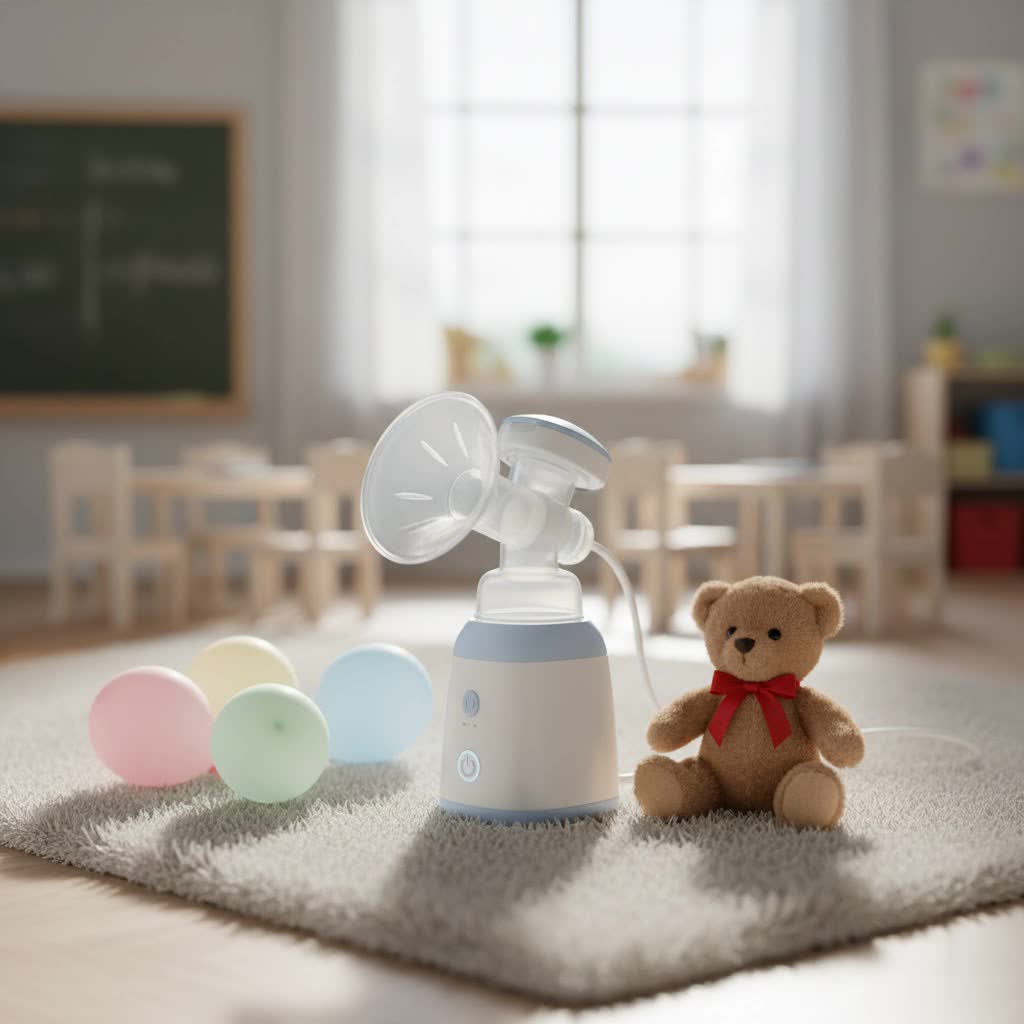
Many individuals dream of achieving fuller, more voluminous breasts without undergoing invasive surgery. This desire has led to the emergence and popularity of various non-surgical methods, including breast enhancement pumps. These devices promise a natural way to increase breast size, but the scientific community often raises questions about their efficacy and safety. Let’s delve into what breast enhancement pumps are, how they claim to work, and what the evidence truly suggests.
Understanding Breast Enhancement Pumps
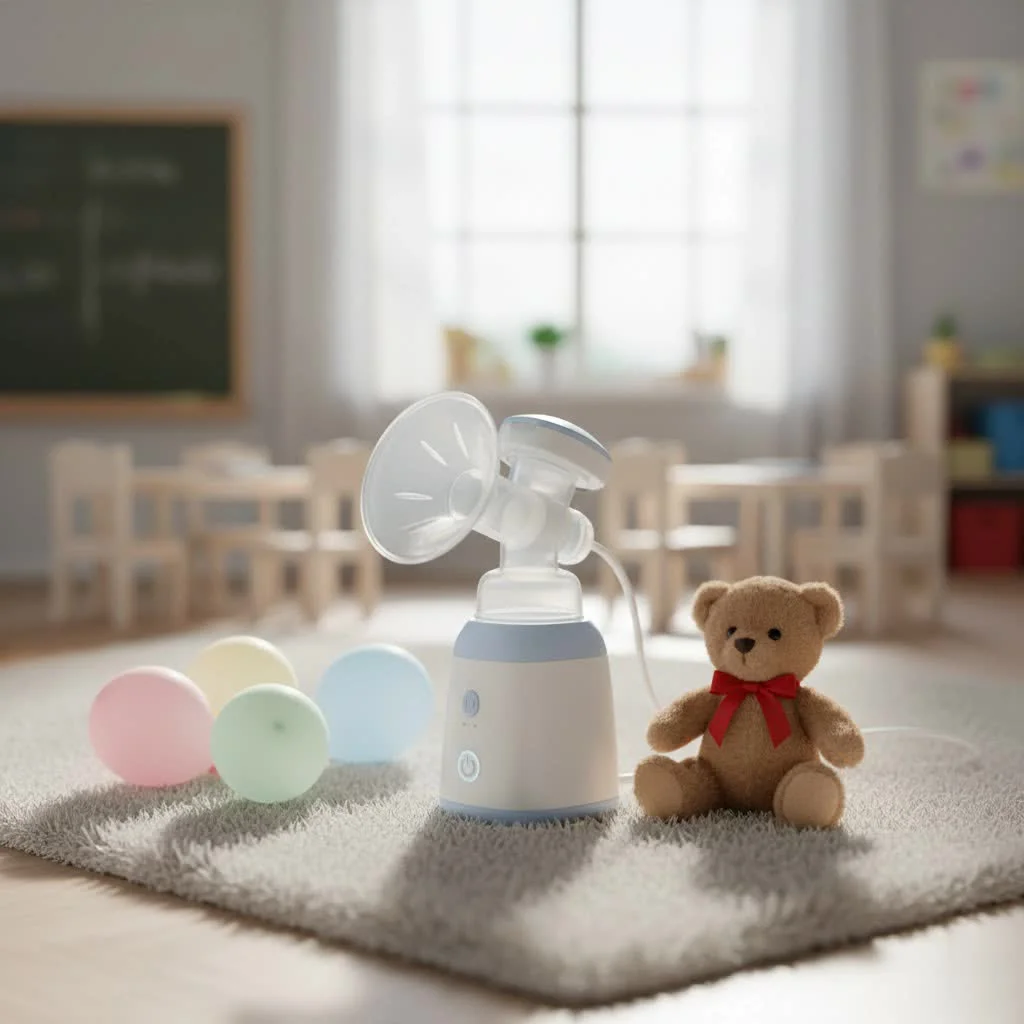
Breast enhancement pumps are devices designed to create suction around the breasts. Typically, they consist of dome-shaped cups that are placed over the breasts, connected to a manual or electric pump that generates negative pressure. The underlying theory behind these pumps is that the continuous application of suction will gently stretch the breast tissue, stimulate blood flow, and encourage the growth of new cells, leading to a permanent increase in breast size over time.
This mechanism is often compared to medical tissue expansion used in reconstructive surgery. However, it’s crucial to distinguish between these two: medical tissue expansion is a controlled, gradual process conducted under strict medical supervision for therapeutic purposes, while consumer breast enhancement pumps operate without such oversight.
The Science Behind Breast Enhancement: Fact vs. Fiction
When considering the effectiveness of breast enhancement pumps, it’s essential to separate anecdotal claims from scientific understanding. Medical professionals generally agree that mechanical suction from these devices does not lead to permanent breast enlargement. The breast consists primarily of glandular tissue and fat, neither of which responds to vacuum pressure with sustained, irreversible growth.
While users may experience a temporary increase in breast size immediately after using a pump, this effect is typically due to fluid retention and tissue swelling caused by increased blood flow to the area. Once the suction is removed, this temporary swelling subsides, and the breasts usually return to their original size within a few hours or days. This temporary change is often mistaken for actual tissue growth.
Some manufacturers, such as EVEBRA, claim their devices promote natural enhancement by stimulating fat deposition through tension-induced tissue growth, a process they describe as leveraging chronic edema to generate fat. However, this specific claim stands against the broader medical consensus that such devices do not offer lasting structural changes. Research examining the long-term effectiveness of breast enlargement pumps remains extremely limited and largely unsupportive of permanent results.
Potential Benefits: Temporary Changes and User Experiences
Despite the lack of scientific backing for permanent growth, some individuals report positive, albeit temporary, experiences with breast enhancement pumps. Users often describe a fuller, firmer appearance immediately after use, which can last for a short period. This temporary enhancement might be appealing for special occasions or personal confidence boosts.
Anecdotal reports also suggest that consistent and prolonged use may lead to a slight, more sustained increase in size for some individuals. However, these are personal accounts and not backed by rigorous scientific studies. The perceived “results” often come with the caveat of continuous commitment to the pumping regimen.
Risks, Side Effects, and Safety Concerns
|
Our Picks for the Best Breast Pump in 2026
As an Amazon Associate I earn from qualifying purchases.
|
||
| Num | Product | Action |
|---|---|---|
| 1 | Paruu Hands Free Breast Pump P16, Wearable Breast Pump Electirc Portable with 4 Modes & 12 Levels, Max 309mmHg Strong Suction 19/21/24mm Flange Inserts Wearable Breastfeeding Pump, 2 Pack(Nude |

|
| 2 | NCVI Electric Breast Pump 8782, Portable Hospital-Grade Double Pump with 4 Modes & 9 Levels, Anti-Backflow, Rechargeable Quiet Breastfeeding Pump for Efficient Comfortable Use at Home, Work or Travel |
|
| 3 | Hands Free Breast Pump Wearable MY-375 - Strong Suction, Low Noise, Wearable Breastfeeding Pump with 4 Mode &12 Levels, Portable Electric Breast Pump 24mm - 19/21/Insert/Flange, 2 Pack (White) |
|
| 4 | Lulia Double Electric Breast Pump, Breastfeeding Pump 4 Modes & 9 Levels, Low Noise, Anti-Backflow & LED Display, BPA Free, Portable Breast Pumps with 24mm Flange |
|
| 5 | Hands Free Breast Pump, Wearable Breastfeeding Pump with 4 Mode & 9 Level, Strong Suction, Painless, Anti-Backflow, BPA Free, Portable Electric Breast Pumps with 17/19/21/24MM Flanges |
|
| 6 | Momcozy Breast Pump V1 Pro Hospital-Grade, Hands-Free & Portable Wearable Pump, Upgraded Electric Pump with 3 Fine-Tuned Rhythms-15 Levels, Come with Leak-Proof DoubleFit Flange, Cozy Red. |
|
| 7 | Momcozy Wearable Breast Pump, Hands Free Upgraded Mobile Flow - M9, App Discreet Control with Personalized Multi-Modes & 15 Levels, Wearable Breast Pump 24mm, 2 Pack Cozy Red |
|
| 8 | Momcozy M5 Smart APP Controlled Wearable Breast Pump, Hands-Free Wireless Electric Pump, 3 Modes 9 Suction Levels, BPA-Free, Portable Lightweight, 24mm Flange, 2-Pack Cozy Red |
|
| 9 | Momcozy M5 Lite Hands-Free Wearable Breast Pump, DoubleFit Flange for Baby-Like Comfort, 3 Modes & 9 Suction Levels, No Flange Insert or Hard Carry Case, 24mm, 2-Pack, Cozy Red |
|
| 10 | Momcozy M5 Smart APP Controlled Wearable Breast Pump, Hands-Free Wireless Electric Pump, 3 Modes 9 Suction Levels, BPA-Free, Portable Lightweight, 24mm Flange, 2-Pack Quill Gray |
|
Using breast enhancement pumps is not without potential risks and side effects, particularly if the devices are used improperly or excessively. The delicate nature of breast tissue makes it susceptible to damage from prolonged or overly aggressive suction.
Common side effects include:
- Skin irritation and bruising: The vacuum pressure can cause broken capillaries, leading to visible bruising that may take weeks to fade. Repeated use can also increase the risk of permanent skin discoloration or spider veins.
- Pain and discomfort: Excessive suction can lead to significant pain during and after use, and some users report lasting breast tenderness.
- Tissue damage: Improper or prolonged use has the potential to cause damage to breast tissue, connective tissues, and even milk ducts, though the latter is more of a concern with lactation pumps used incorrectly, the principle of tissue trauma applies.
- Unrealistic expectations: Perhaps one of the most significant risks is the emotional and psychological toll of not achieving desired permanent results, leading to disappointment and frustration.
It is crucial to follow manufacturer guidelines diligently and avoid applying excessive suction to minimize these risks. Any signs of severe discomfort, persistent pain, or unusual skin changes should prompt immediate cessation of use and consultation with a healthcare professional.
What to Consider Before Using a Breast Enhancement Pump
Given the scientific skepticism and potential risks, it is vital to approach breast enhancement pumps with caution and informed awareness.
- Consult a professional: Before trying any method of breast enhancement, including pumps, speak with a doctor or a qualified healthcare provider. They can offer personalized advice, discuss realistic expectations, and inform you about safer, more effective alternatives.
- Understand the limitations: Acknowledge that while temporary changes might occur, permanent and significant breast enlargement through these devices is not scientifically supported.
- Prioritize safety: Be aware of the risks involved and ensure you understand proper usage to prevent harm to your breast tissue.
- Evaluate alternatives: Explore other options, both surgical and non-surgical, that have more established safety profiles and proven effectiveness.
Alternatives to Breast Enhancement Pumps
For those seeking lasting changes in breast size or shape, several alternatives offer more predictable and medically supported outcomes:
- Breast Augmentation Surgery: This is a highly common cosmetic procedure involving the placement of saline or silicone implants to increase breast volume and enhance shape. It has well-established safety profiles and high patient satisfaction rates.
- Autologous Fat Grafting (Fat Transfer): This procedure involves taking fat from another part of your body (e.g., abdomen, thighs) through liposuction and injecting it into the breasts. It offers a natural feel and can increase breast size by one or two cup sizes.
- Padded Bras and Clothing: For a non-invasive, immediate, and temporary enhancement, specially designed bras can create the appearance of larger breasts.
- Lifestyle Factors: Maintaining a healthy weight, regular exercise, and a balanced diet can contribute to overall body shape and appearance, though they do not specifically target breast enlargement.
Conclusion
The appeal of a non-surgical solution for breast enhancement is undeniable, and breast enhancement pumps have gained attention as one such option. While these devices create suction that can lead to temporary swelling and a perceived increase in breast size due to fluid retention and increased blood flow, medical evidence does not support claims of permanent breast enlargement. The underlying breast tissue, composed of fat and glandular tissue, does not respond to mechanical vacuum pressure with sustained growth.
Furthermore, improper or excessive use of these pumps carries significant risks, including bruising, pain, skin discoloration, and potential tissue damage. For individuals considering breast enhancement, it is paramount to consult with a qualified healthcare professional to discuss safe, effective, and scientifically supported options, ensuring that any decision prioritizes long-term health and realistic outcomes. Always remember that well-being and informed choices should guide your journey towards achieving your desired body image.
Get our weekly buyer guide
Practical specs, not advice. Unsubscribe anytime.
