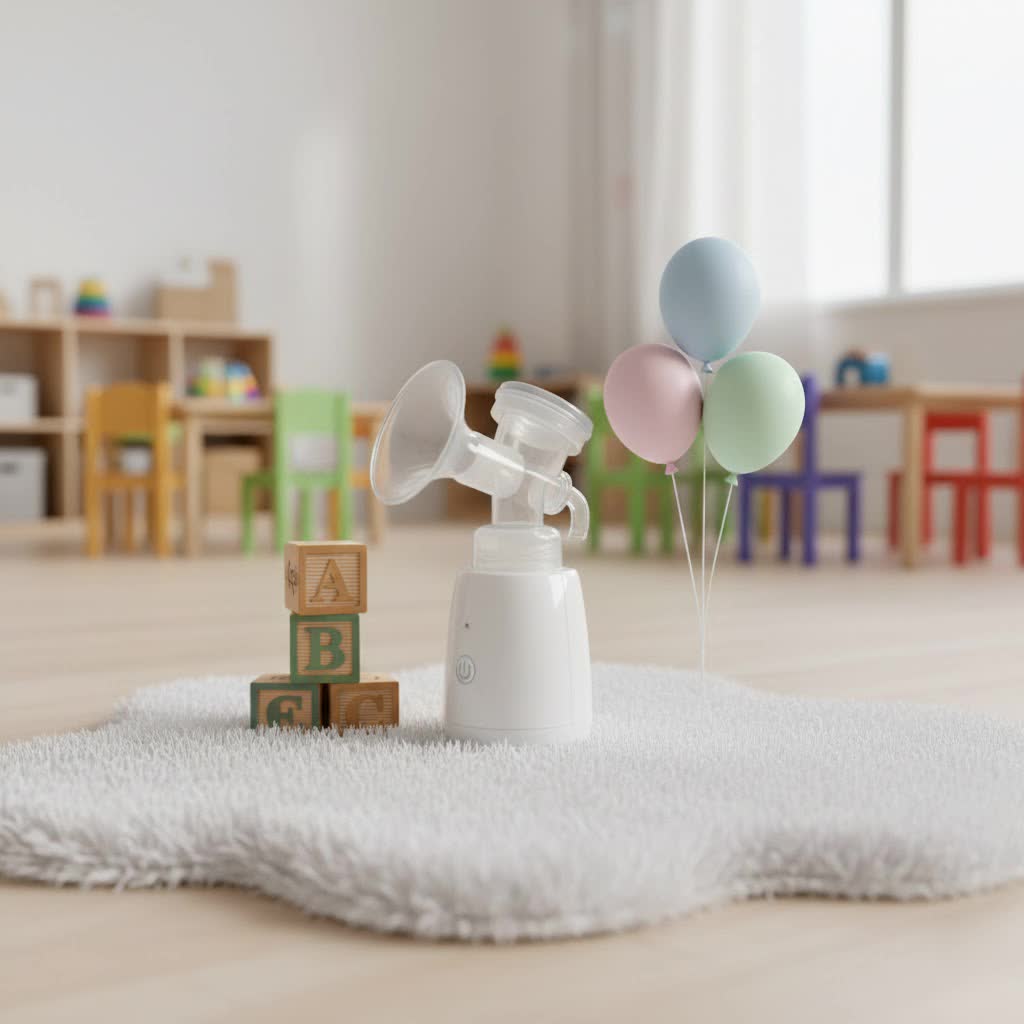
Navigating the world of motherhood brings a unique set of joys and challenges, and for many, providing breast milk is a priority. An electric breast pump can be an invaluable tool on this journey, offering efficiency and flexibility whether you’re returning to work, building a milk stash, or managing supply. But with countless options on the market, how do you find the best electric breast pump to suit your individual needs? This guide will demystify the choices, helping you confidently select a pump that supports your breastfeeding goals.
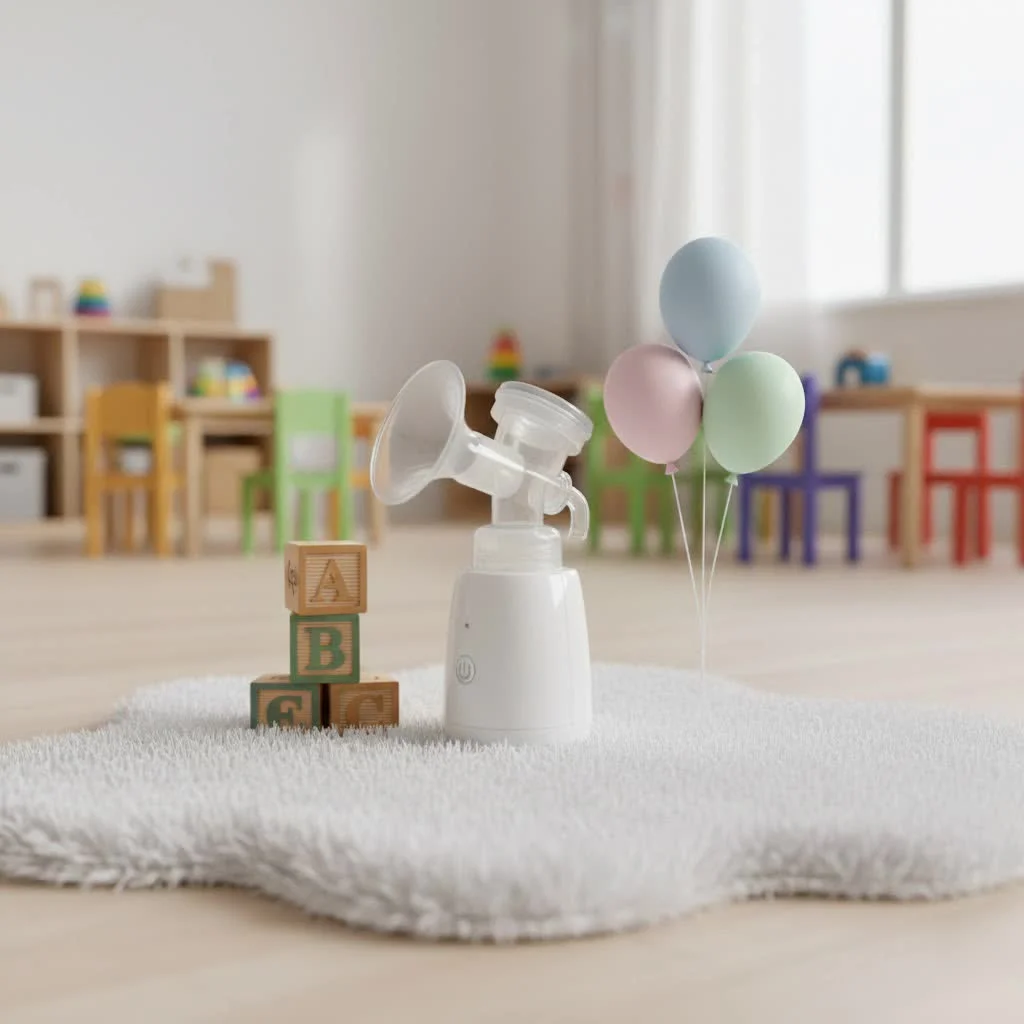
Common Types of Electric Breast Pumps
Electric breast pumps come in various forms, each designed to cater to different pumping lifestyles and needs. Understanding these categories is the first step in identifying your ideal match.
Standard Double Electric Pumps
These are the workhorses of the electric pump world, offering powerful and efficient milk expression from both breasts simultaneously. Typically, they require a power outlet for continuous use, though many modern models include rechargeable batteries for added portability. Standard double electric pumps are often recommended for mothers who pump frequently, such as exclusive pumpers or those establishing and maintaining a consistent milk supply. They usually feature adjustable suction levels and cycle speeds, allowing for a personalized and effective pumping experience.
Wearable Hands-Free Electric Pumps
Designed for ultimate discretion and mobility, wearable electric breast pumps fit inside your bra, allowing you to pump while tending to other tasks, working, or even commuting. These compact units typically collect milk in cups integrated into the design. While they offer unparalleled convenience and freedom, their suction power might be slightly less intense than traditional double electric pumps, and some users find they may not fully empty the breast as efficiently. They are an excellent secondary pump for busy moms or for occasional on-the-go pumping sessions.
Hospital-Grade Electric Pumps
Hospital-grade electric breast pumps are multi-user devices, engineered for maximum durability, powerful suction, and highly efficient milk removal. These pumps are designed with a closed system to ensure hygiene and are often recommended for mothers with medical challenges that prevent direct breastfeeding, those establishing a milk supply for NICU babies, or mothers of multiples. Due to their cost and size, they are typically rented from hospitals or medical suppliers rather than purchased outright. They are considered the gold standard for milk expression when robust performance is crucial.
Portable Electric Pumps
While many double electric pumps now include battery options, some models are specifically designed to be lightweight and compact for enhanced portability. These portable electric breast pumps strike a balance between the power of a standard pump and the convenience of a wearable. They are ideal for mothers who need to pump at work, while traveling, or simply prefer to move around the house without being tethered to an outlet. Their effectiveness varies by model, but many offer excellent performance for regular use outside the home.
Detailed Comparison of Electric Breast Pumps
|
Our Picks for the Best Breast Pump in 2026
As an Amazon Associate I earn from qualifying purchases.
|
||
| Num | Product | Action |
|---|---|---|
| 1 | Momcozy M5 Smart APP Controlled Wearable Breast Pump, Hands-Free Wireless Electric Pump, 3 Modes 9 Suction Levels, BPA-Free, Portable Lightweight, 24mm Flange, 2-Pack Cozy Red |

|
| 2 | Lulia Double Electric Breast Pump, Breastfeeding Pump 4 Modes & 9 Levels, Low Noise, Anti-Backflow & LED Display, BPA Free, Portable Breast Pumps with 24mm Flange |
|
| 3 | Hands Free Breast Pump, Wearable Breastfeeding Pump with 4 Mode & 9 Level, Strong Suction, Painless, Anti-Backflow, BPA Free, Portable Electric Breast Pumps with 17/19/21/24MM Flanges |
|
| 4 | Hands Free Breast Pump Wearable MY-375 - Strong Suction, Low Noise, Wearable Breastfeeding Pump with 4 Mode &12 Levels, Portable Electric Breast Pump 24mm - 19/21/Insert/Flange, 2 Pack (White) |
|
| 5 | NCVI Electric Breast Pump 8782, Portable Hospital-Grade Double Pump with 4 Modes & 9 Levels, Anti-Backflow, Rechargeable Quiet Breastfeeding Pump for Efficient Comfortable Use at Home, Work or Travel |
|
| 6 | Momcozy M5 Smart APP Controlled Wearable Breast Pump, Hands-Free Wireless Electric Pump, 3 Modes 9 Suction Levels, BPA-Free, Portable Lightweight, 24mm Flange, 2-Pack Quill Gray |
|
| 7 | Momcozy Breast Pump V1 Pro Hospital-Grade, Hands-Free & Portable Wearable Pump, Upgraded Electric Pump with 3 Fine-Tuned Rhythms-15 Levels, Come with Leak-Proof DoubleFit Flange, Cozy Red. |
|
| 8 | Paruu Hands Free Breast Pump P16, Wearable Breast Pump Electirc Portable with 4 Modes & 12 Levels, Max 309mmHg Strong Suction 19/21/24mm Flange Inserts Wearable Breastfeeding Pump, 2 Pack(Nude |
|
| 9 | Momcozy Wearable Breast Pump, Hands Free Upgraded Mobile Flow - M9, App Discreet Control with Personalized Multi-Modes & 15 Levels, Wearable Breast Pump 24mm, 2 Pack Cozy Red |
|
| 10 | Momcozy M5 Lite Hands-Free Wearable Breast Pump, DoubleFit Flange for Baby-Like Comfort, 3 Modes & 9 Suction Levels, No Flange Insert or Hard Carry Case, 24mm, 2-Pack, Cozy Red |
|
Choosing the best electric breast pump often comes down to a careful comparison of features, performance, and suitability for your lifestyle. Here’s a breakdown to help you weigh your options:
| Feature | Standard Double Electric | Wearable/Hands-Free Electric | Hospital-Grade Electric | Portable Electric |
|---|---|---|---|---|
| Pros | High efficiency, strong suction, dual pumping | Discreet, mobile, hands-free, quiet | Max suction, highly effective, durable, multi-user | Lightweight, battery-powered, good efficiency |
| Cons | Less portable, often requires outlet, can be bulky | May have less suction, potentially less efficient emptying, higher cost | Bulky, expensive (often rental), less personal | May have slightly less power than standard doubles, battery life varies |
| Price Range | $150 – $350 | $200 – $500+ | Rental: $50 – $100/month; Purchase: $1000+ | $100 – $300 |
| Noise Level | Moderate to quiet | Generally quiet | Often moderate | Quiet to moderate |
| Portability | Limited (unless battery-powered), typically tabletop | High (fits in bra) | Low (large, heavy, often stationary) | High (compact, easy to carry) |
| Best Use Cases | Exclusive pumping, establishing supply, frequent pumping | Pumping at work, on-the-go, multi-tasking | Medical needs, NICU babies, severe supply issues | Regular use outside home, travel, occasional pumping |
Standard double electric pumps like the Spectra S1 Plus or Medela Pump in Style Pro offer robust performance for consistent milk expression. They are praised for their strong, reliable suction and often feature advanced customization options for vacuum and cycle speed, crucial for mimicking a baby’s natural suckling rhythm and optimizing letdown.
Wearable options, such as the Elvie Pump or Momcozy M5, excel in convenience. Their discreet design allows mothers to maintain their routines while pumping, reducing the stress associated with finding private spaces or being confined. However, it’s vital to ensure they effectively empty your breasts to prevent supply dips. Many lactation consultants suggest using wearables as a secondary pump alongside a more powerful standard electric pump if you rely heavily on pumping for your supply.
Hospital-grade pumps, exemplified by the Medela Symphony, offer therapeutic-level suction and are designed for situations where maximizing milk output is critical. They are built for longevity and consistent performance across multiple users, making them a cornerstone for lactation support in clinical settings.
Portable electric pumps, like the BabyBuddha 2.0 or certain Spectra models, aim to combine the power of a standard pump with the flexibility of battery operation. They are often lighter and more compact than their traditional counterparts, making them suitable for mothers who need reliable pumping on the go without the bulk of a hospital-grade unit.
Guide to Choosing the Right Electric Breast Pump
Selecting the best electric breast pump involves more than just picking a popular brand. It requires a thoughtful assessment of your personal circumstances and priorities.
Assess Your Pumping Needs
Consider why and how often you’ll be pumping. Are you an exclusive pumper, needing to express milk multiple times a day to maintain your supply? A powerful, efficient double electric pump will be essential. Do you plan to pump occasionally to build a small stash or relieve engorgement? A more portable or even a manual pump might suffice. For working mothers, a discreet and hands-free wearable pump could be a game-changer for pumping at your desk or during commutes. Your lifestyle – whether you’re stationary, always on the move, or juggling multiple children – significantly influences the best type of pump for you.
Budget and Insurance Coverage
Electric breast pumps vary widely in price, from under $100 for basic portable models to over $500 for premium wearable systems. Many mothers are unaware that the Affordable Care Act mandates most insurance plans to cover breast pumps. It’s highly recommended to check with your insurance provider to understand your coverage options. Often, you can obtain a good quality electric breast pump for free or at a significantly reduced cost through a medical supplier. This can greatly expand your choices without breaking the bank.
Essential Features to Consider
- Suction Strength and Cycle Speed: The ability to adjust both vacuum strength (how strong the pull is) and cycle speed (how many sucks per minute) is crucial for comfort and efficiency. You’ll want settings that mimic your baby’s natural suckling and optimize your letdown. Some pumps even offer dual motors, allowing independent control for each breast.
- Flange Size: Using the correct flange size is paramount for comfort, preventing pain, and ensuring effective milk expression. Most pumps come with standard sizes (e.g., 24mm, 27mm), but many women require different sizes, which can often be purchased separately. Pain during pumping is a strong indicator that your flange size or settings need adjustment.
- Portability and Battery Life: If you plan to pump away from home, a lightweight pump with a reliable rechargeable battery is vital. Check the advertised battery life and real-world reviews, as some batteries last longer than others.
- Noise Level: While all electric pumps make some noise, some are significantly quieter than others. If discretion is important for pumping at work or during the night, a quiet pump like certain Elvie or Momcozy models will be a major advantage.
- Ease of Cleaning and Assembly: Pumping requires frequent cleaning of parts. Look for pumps with fewer components or those with dishwasher-safe parts to simplify your routine. A complex assembly can add unnecessary stress to already busy days.
- Closed System: A closed-system pump prevents milk from flowing into the pump motor, preventing contamination and making it more hygienic and often safer for multiple users (though most personal pumps are not designed for multi-user rental).
Reputable Brands and User Reviews
Leading brands like Spectra, Medela, Elvie, Momcozy, and Willow consistently receive high ratings for their electric breast pumps. Reading recent reviews from other mothers can offer invaluable insights into real-world performance, durability, and customer service. Look for feedback that aligns with your specific needs and priorities.
“The best breast pump isn’t necessarily the most expensive or popular one; it’s the one that works most effectively and comfortably for your body and your unique pumping journey.” – Allison Tolman, LPN, IBCLC, Breast Pump Expert at New Little Life
Top-Rated Electric Breast Pumps for Every Need
Based on user feedback, expert reviews, and innovation, several electric breast pumps consistently stand out in the market.
- Spectra S1 Plus / S2 Plus: Often hailed as a “hospital-strength” pump, the Spectra S1 (with rechargeable battery) and S2 (plug-in) are favorites among exclusive pumpers for their powerful yet gentle suction and quiet operation. They feature massage and expression modes and allow for extensive customization of vacuum and cycle settings. The S1’s portability is a significant advantage.
- Medela Pump in Style Advanced / MaxFlow / Freestyle Flex: Medela offers a range of reliable electric breast pumps. The Pump in Style is a long-standing favorite, updated with MaxFlow technology for increased milk output. The Freestyle Flex is a compact, portable double pump with a rechargeable battery and connectivity to a tracking app, offering modern convenience for active moms. The Medela Symphony remains the top choice for hospital-grade rental needs, known for its unparalleled efficacy in milk removal.
- Elvie Pump / Stride: Elvie revolutionized the market with its discreet, silent, and entirely hands-free wearable breast pumps. The Elvie Pump is ultra-quiet and fits seamlessly into your bra, making it ideal for pumping anywhere. The Elvie Stride offers hospital-grade performance in a more compact, portable design, with tubing connecting to wearable cups. They are praised for their comfort and sleek design, though some users note they might not achieve complete emptying compared to traditional pumps for all body types.
- Momcozy Wearable Pumps (e.g., M5, S12 Pro): Momcozy has become a popular and more affordable option in the wearable pump market. Models like the M5 are known for their strong suction and compact design, while the S12 Pro offers a larger cup capacity and comfortable silicone flanges. They provide excellent hands-free convenience, making them great for busy moms seeking a budget-friendly wearable.
- Willow Go / Willow 360: Willow offers innovative wearable breast pumps that pump directly into spill-proof bags or reusable containers, providing true freedom of movement. The Willow Go is a popular choice for its ease of use and powerful suction within a wearable design. The Willow 360, while higher priced, offers continuous suction for a truly leak-proof experience, even during active movement.
- BabyBuddha 2.0: This compact, portable pump is renowned for its incredibly strong suction, making it a favorite for mothers needing powerful milk expression in a small package. The 2.0 update added a more traditional stimulation mode, enhancing its user-friendliness.
Proper Usage and Maintenance of Your Electric Breast Pump
To ensure your best electric breast pump performs optimally and maintains your milk supply, proper usage and meticulous cleaning are crucial.
Assembly and Operation
Always refer to your pump’s manual for specific instructions. Generally, you’ll connect the flange to the breast, attach the collection bottle or bag, and then connect the tubing to the pump motor. Begin with a comfortable massage mode (also known as letdown or stimulation mode) for 1-2 minutes to help initiate milk flow, then switch to expression mode. Adjust the suction strength and cycle speed to a comfortable yet effective level. Pumping should never be painful; if it is, stop and reassess your flange size and settings. A typical pumping session lasts 15-20 minutes, or until your breasts feel soft and empty.
Cleaning and Sanitization
Hygiene is paramount to protect your baby’s health. After each use, disassemble all parts that come into contact with breast milk (flanges, valves, membranes, bottles/cups). Wash them immediately with warm, soapy water and a dedicated brush, then rinse thoroughly. Allow them to air dry completely on a clean paper towel or drying rack. It’s also recommended to sanitize pump parts at least once a day, especially for younger babies or those with compromised immune systems. This can be done by boiling, steaming, or using a sterilizer. The tubing typically does not need to be washed unless milk or condensation gets inside; if it does, it usually needs to be replaced.
Storage Tips
Store your clean, dry pump parts in a clean, covered container or bag to protect them from dust and contaminants. When storing your breast pump motor, keep it in a cool, dry place away from direct sunlight. If your pump has a battery, ensure it’s charged regularly to avoid being caught off guard when you need it most. Proper storage not only extends the life of your pump but also ensures the safety and quality of your expressed breast milk.
Common Electric Breast Pump Issues and Troubleshooting
Even with the best electric breast pump, you might encounter occasional issues. Knowing how to troubleshoot common problems can save you stress and maintain your milk supply.
Weak or No Suction
This is a frequent concern. First, check all connections: ensure tubing is securely attached to both the motor and flanges, and that all pump parts (flanges, valves, membranes) are properly assembled and undamaged. A tiny tear in a membrane or an improperly seated valve can drastically reduce suction. Replace worn-out parts as needed, as they lose their effectiveness over time. Also, check if the power source is reliable or if the battery is fully charged.
Pain or Discomfort
Pumping should not be painful. If you experience pain, it’s often a sign that your flange size is incorrect. A flange that’s too small can pinch the nipple, while one that’s too large can pull too much of the areola, both leading to discomfort and ineffective milk removal. Consult a lactation consultant to confirm your correct flange size. Additionally, ensure your suction settings are not too high; start low and gradually increase to a comfortable yet effective level.
Leaks
Leaks can be frustrating, especially with wearable pumps. For traditional pumps, check that all collection bottles or bags are securely attached and that the valves and membranes are intact and properly seated. For wearable pumps, ensure the cups are correctly positioned and sealed against your breast, and that you’re using the correct flange size. Sometimes, simply adjusting your bra or the pump’s position can resolve minor leaks.
Battery Problems
If your portable or wearable pump isn’t holding a charge, first try a different charging cable and adapter to rule out faulty accessories. If the problem persists, the battery itself might be degrading. Most rechargeable batteries have a finite lifespan; consult your pump’s warranty or customer service for replacement options. Always try to fully charge your pump before each use, especially if you rely on it away from home.
Where to Purchase Reliable Electric Breast Pumps
Acquiring the best electric breast pump involves choosing a reputable vendor.
Online Retailers
Major online retailers like Amazon, Target, and Walmart carry a wide selection of electric breast pumps from various brands. They offer convenience, competitive pricing, and often provide customer reviews that can aid your decision. Be sure to verify the seller’s legitimacy, especially for high-value items, to avoid counterfeit products.
Specialty Baby Stores
Stores such as BuyBuy Baby or local boutique baby shops often have staff who are knowledgeable about breast pumps and can provide hands-on demonstrations or advice. While prices might be slightly higher than online, the personalized service and ability to physically inspect the pump can be invaluable.
Direct from Manufacturers
Purchasing directly from brand websites like SpectraBabyUSA, Medela, Elvie, or Momcozy ensures you receive an authentic product with the full manufacturer’s warranty. Many brands also offer customer support and resources directly, which can be helpful for troubleshooting or obtaining replacement parts. Additionally, many medical supply companies specialize in breast pumps covered by insurance, streamlining the process of getting your pump.
Conclusion
Choosing the best electric breast pump is a significant decision for any breastfeeding mother. By understanding the different types available, assessing your personal needs, and considering key features like suction, portability, and ease of cleaning, you can make an informed choice. Whether you opt for a powerful double electric pump for exclusive pumping, a discreet wearable for on-the-go convenience, or a hospital-grade model for specific medical needs, the right pump can significantly enhance your pumping journey, helping you provide nourishing milk for your baby with greater ease and confidence.
Which electric breast pump feature do you find most essential for your daily routine?
Frequently Asked Questions
What makes an electric breast pump “hospital-grade”?
Hospital-grade electric breast pumps are multi-user devices with powerful motors designed for frequent and efficient milk expression, often featuring a closed system to prevent contamination. They are typically used in clinical settings or rented for mothers needing to establish or maintain a robust milk supply due to medical reasons.
Can wearable electric breast pumps fully empty breasts?
While convenient, the effectiveness of wearable electric breast pumps in fully emptying breasts can vary among individuals. Many mothers find them excellent for on-the-go pumping but may prefer a traditional double electric pump for primary, more efficient emptying, especially for maintaining supply.
How often should I replace breast pump parts?
Regularly replaced parts like valves and membranes, which are crucial for suction, typically need to be changed every 2-4 weeks or sooner if you notice a decrease in suction. Flanges and backflow protectors may last longer, but inspect all parts regularly for wear and tear according to your pump’s manual.
Is it possible to get an electric breast pump covered by insurance?
Yes, thanks to the Affordable Care Act, most health insurance plans are required to cover breast pumps. Coverage details can vary, so it’s best to contact your insurance provider or use a medical supply company that specializes in insurance-covered breast pumps to understand your eligibility and options.
What is the ideal suction level for an electric breast pump?
The ideal suction level is one that feels comfortable yet effectively expresses milk, without causing pain. It’s often recommended to start with a lower vacuum setting and gradually increase it to the highest comfortable level, mimicking a baby’s natural suckling rhythm for optimal milk letdown and flow.
Get our weekly buyer guide
Practical specs, not advice. Unsubscribe anytime.
