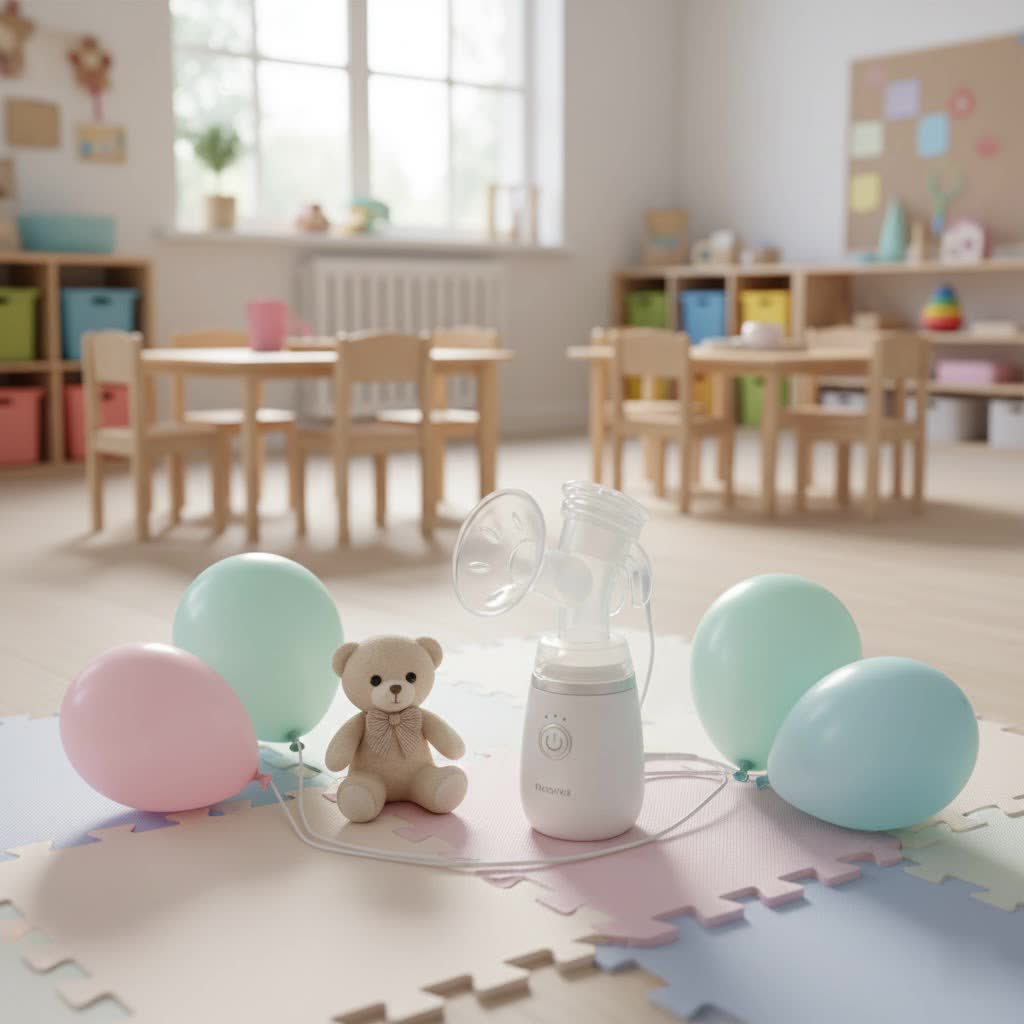
Navigating the world of breast pumps can feel overwhelming, especially for new parents. Choosing the right pump is a crucial step in your breastfeeding journey, impacting comfort, efficiency, and overall success. Ameda has been a trusted name in breast pumping for decades, offering a range of innovative solutions designed to support mothers in every unique situation. This comprehensive guide will walk you through Ameda’s diverse product line, help you understand their features, and empower you to select, use, and maintain the perfect pump for your needs.
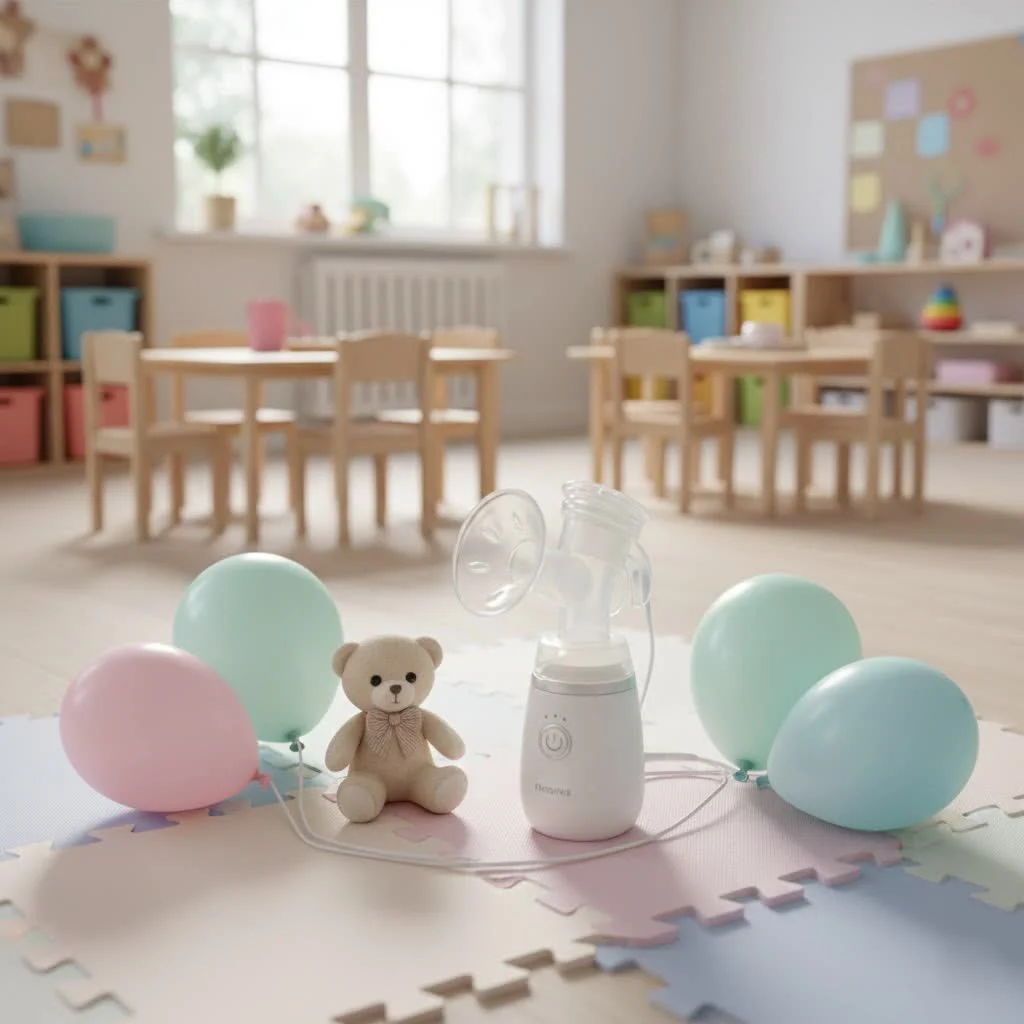
Understanding the Different Types of Ameda Breast Pumps
Ameda offers a variety of breast pump types, each tailored to different pumping needs and lifestyles. Understanding these categories is the first step in finding your ideal match.
Manual Breast Pumps
Manual breast pumps are lightweight, compact, and require hand operation to create suction. They are an excellent choice for occasional pumping, providing a convenient option for quick relief or when you’re away from a power source. Their simplicity makes them easy to use as a backup or travel pump.
Electric Breast Pumps
Electric pumps are the most popular choice for parents who need to pump regularly. These pumps are powered by electricity or batteries, offering greater efficiency and consistent suction compared to manual options.
- Single Electric Pumps: These allow you to pump one breast at a time. While slower, they can be suitable for occasional use or for mothers who primarily nurse and only pump when necessary.
- Double Electric Pumps: Designed to pump both breasts simultaneously, double electric pumps are ideal for building and maintaining milk supply, as well as saving valuable time. Many Ameda models fall into this category, offering powerful and efficient milk expression.
- Wearable Electric Pumps: The latest innovation in electric pumping, wearable pumps fit discreetly inside your bra, allowing for hands-free pumping. They are perfect for multitasking moms who need flexibility while working, commuting, or caring for other children. Ameda’s GLO Wearable Breast Pump is a prime example of this technology.
- Hospital-Grade Breast Pumps: These are multi-user pumps known for their durability, superior suction, and advanced features. They are designed for frequent and long-term use, often recommended for mothers with specific pumping challenges, such as establishing milk supply or exclusive pumping. Ameda offers hospital-grade options like the Pearl and Platinum, which are often available for rental.
Ameda’s commitment to innovation means that many of their electric pumps incorporate advanced features like two-phase expression (stimulation and expression modes) and a closed system design, which enhances hygiene and protects your milk.
A Detailed Comparison of Ameda Breast Pump Models
|
Our Picks for the Best Breast Pump in 2026
As an Amazon Associate I earn from qualifying purchases.
|
||
| Num | Product | Action |
|---|---|---|
| 1 | Momcozy M5 Lite Hands-Free Wearable Breast Pump, DoubleFit Flange for Baby-Like Comfort, 3 Modes & 9 Suction Levels, No Flange Insert or Hard Carry Case, 24mm, 2-Pack, Cozy Red |

|
| 2 | Hands Free Breast Pump Wearable MY-375 - Strong Suction, Low Noise, Wearable Breastfeeding Pump with 4 Mode &12 Levels, Portable Electric Breast Pump 24mm - 19/21/Insert/Flange, 2 Pack (White) |
|
| 3 | Momcozy Wearable Breast Pump, Hands Free Upgraded Mobile Flow - M9, App Discreet Control with Personalized Multi-Modes & 15 Levels, Wearable Breast Pump 24mm, 2 Pack Cozy Red |
|
| 4 | Lulia Double Electric Breast Pump, Breastfeeding Pump 4 Modes & 9 Levels, Low Noise, Anti-Backflow & LED Display, BPA Free, Portable Breast Pumps with 24mm Flange |
|
| 5 | Hands Free Breast Pump, Wearable Breastfeeding Pump with 4 Mode & 9 Level, Strong Suction, Painless, Anti-Backflow, BPA Free, Portable Electric Breast Pumps with 17/19/21/24MM Flanges |
|
| 6 | Paruu Hands Free Breast Pump P16, Wearable Breast Pump Electirc Portable with 4 Modes & 12 Levels, Max 309mmHg Strong Suction 19/21/24mm Flange Inserts Wearable Breastfeeding Pump, 2 Pack(Nude |
|
| 7 | NCVI Electric Breast Pump 8782, Portable Hospital-Grade Double Pump with 4 Modes & 9 Levels, Anti-Backflow, Rechargeable Quiet Breastfeeding Pump for Efficient Comfortable Use at Home, Work or Travel |
|
| 8 | Momcozy Breast Pump V1 Pro Hospital-Grade, Hands-Free & Portable Wearable Pump, Upgraded Electric Pump with 3 Fine-Tuned Rhythms-15 Levels, Come with Leak-Proof DoubleFit Flange, Cozy Red. |
|
| 9 | Momcozy M5 Smart APP Controlled Wearable Breast Pump, Hands-Free Wireless Electric Pump, 3 Modes 9 Suction Levels, BPA-Free, Portable Lightweight, 24mm Flange, 2-Pack Quill Gray |
|
| 10 | Momcozy M5 Smart APP Controlled Wearable Breast Pump, Hands-Free Wireless Electric Pump, 3 Modes 9 Suction Levels, BPA-Free, Portable Lightweight, 24mm Flange, 2-Pack Cozy Red |
|
Ameda’s lineup includes several notable models, each with distinct features designed to meet various maternal needs. Here’s a detailed look at some of their most popular pumps:
| Pump Model | Type | Ideal Use | Key Features | Portability | Noise Level |
|---|---|---|---|---|---|
| Ameda Mya Joy | Portable Double Electric | Daily or occasional use, travel, office | Lightweight, quiet, powerful suction, two-phase expression (6 stimulation, 12 expression levels), AC adapter or 4 AA batteries, closed system. | High (8 oz) | Quiet |
| Ameda Mya Joy PLUS | Portable Double Electric | Daily or frequent use, back-to-work | All Mya Joy features, plus a built-in rechargeable battery and often a wrist strap. Offers hospital-grade suction in a tiny package. | High (8 oz) | Quiet |
| Ameda GLO Wearable | Wearable Double Electric | On-the-go, multitasking, discreet pumping | Compact, fits in bra, hands-free, quiet, 4 modes (including massage), 15 suction levels, 6 oz collection cups, digital display, hospital-grade suction. | Very High | Quiet |
| Ameda Pearl | Tabletop Multi-User | Daily or exclusive pumping, hospital-grade | Award-winning design, quiet motor, closed system, adjustable suction and cycle settings, integrated dual bottle holders. High performance for home use. | Moderate (rental) | Quiet |
| Ameda Platinum | Hospital-Strength | Frequent or exclusive pumping, critical needs | Industry-leading clinical performance, consistent suction, closed system, integrated dual bottle holders. Trusted in hospitals worldwide. | Low (rental only) | Moderate |
| Ameda Purely Yours | Double Electric | Daily use (older model) | Closed system, separate speed and suction controls, lightweight. | Moderate | Moderate |
The Ameda Mya Joy is praised for its balance of portability and performance, making it a solid choice for moms who need a reliable pump for everyday use without being tied to a wall. Its successor, the Mya Joy PLUS, enhances this portability with a convenient rechargeable battery, offering more freedom. Both models feature distinct stimulation and expression phases, allowing for a personalized pumping experience that mimics a baby’s natural feeding pattern.
For ultimate freedom, the Ameda GLO Wearable Breast Pump stands out. Its discreet, in-bra design and quiet operation allow you to pump virtually anywhere, making it a game-changer for busy individuals. With multiple modes and ample collection capacity, it rivals traditional pumps in efficiency while offering unparalleled convenience.
For mothers requiring robust, hospital-grade performance, the Ameda Pearl and Platinum are exceptional choices. These pumps are designed to optimize milk expression and are often recommended by lactation consultants for their reliability and effectiveness in establishing and maintaining milk supply, particularly for exclusive pumpers or those with supply challenges.
“Ameda’s closed system design is a significant advantage, providing peace of mind by preventing milk from backing up into the tubing and motor, thus simplifying cleaning and enhancing hygiene.”
How to Choose the Right Ameda Breast Pump
Selecting the best Ameda breast pump involves considering your lifestyle, specific pumping goals, and budget. Here’s a guide to help you make an informed decision:
-
Assess Your Pumping Needs:
- Frequency: Do you plan to pump occasionally (once or twice a day), frequently (multiple times daily), or exclusively? Occasional pumpers might find a manual or a compact electric pump like the Mya Joy sufficient. Frequent or exclusive pumpers will benefit from a powerful double electric pump, such as the Mya Joy PLUS or even a rental hospital-grade Pearl or Platinum.
- Location: Will you primarily pump at home, at work, or on the go? For mobility, wearable pumps like the GLO or portable options like the Mya Joy PLUS are excellent. If you have a dedicated pumping space, a tabletop pump might be suitable.
-
Consider Your Budget: Ameda offers pumps at various price points. Remember to factor in potential insurance coverage, as many plans cover breast pumps. Contact your insurance provider to understand your benefits and available Ameda models.
-
Evaluate Key Features:
- Suction and Modes: Look for pumps with adjustable suction levels and multiple modes (stimulation, expression, massage) to customize your comfort and efficiency. Ameda pumps typically offer a range of vacuum levels and cycle speeds.
- Flange Size: Proper flange fit is critical for comfort and effective milk expression. Ameda offers various flange sizes, and many pumps come with multiple options or are compatible with custom sizes.
- Closed System: All Ameda electric pumps feature a closed system, a crucial hygienic benefit that prevents milk from entering the tubing and motor.
- Portability and Power Source: Decide if you need a pump with a rechargeable battery for on-the-go pumping or if an AC adapter is sufficient. The Mya Joy PLUS and GLO excel in portability.
- Noise Level: For discreet pumping in shared spaces or during night feeds, a quiet pump is essential. Many Ameda models, particularly the Mya Joy line and GLO, are known for their quiet operation.
-
Read Reviews and Seek Expert Advice: Research user reviews for firsthand experiences. Consulting with a lactation consultant can also provide personalized recommendations based on your unique situation and milk supply goals.
Top Ameda Breast Pumps: An In-Depth Look
While Ameda has a strong legacy of quality, three models currently stand out for their popularity and innovative features:
Ameda Mya Joy PLUS
This portable double electric pump is a favorite among working and busy moms. It offers hospital-grade suction in a compact, quiet design. The built-in rechargeable battery provides freedom from outlets, making it ideal for pumping at the office, in the car, or while moving around the house. It features distinct stimulation and expression modes with numerous adjustable settings, allowing you to find the most comfortable and effective rhythm for your milk flow. While generally reliable, some users may experience slight variations in suction consistency.
Ameda GLO Wearable Breast Pump
The GLO is Ameda’s answer to the demand for hands-free pumping. This discreet, in-bra pump offers exceptional freedom and convenience. With four distinct modes, including a massage mode, and 15 adjustable suction levels, it provides a highly customizable and comfortable pumping experience. The 6-ounce collection cups mean fewer interruptions, and its quiet operation ensures privacy. It’s an excellent choice for mothers who want to maximize their time and pump without being tethered to a wall or carrying a bulky pump.
Ameda Pearl
For mothers needing consistent, high-performance pumping, the Ameda Pearl is a strong contender. Though a tabletop model, it delivers hospital-strength suction, making it suitable for establishing a robust milk supply or for exclusive pumping. Its quiet motor and independent controls for suction and cycle speed allow for fine-tuned customization. While less portable than the Mya Joy or GLO, the Pearl is a dependable workhorse for home use.
How to Use and Clean Your Ameda Breast Pump Correctly
Proper use and maintenance are crucial for the effectiveness and longevity of your Ameda breast pump.
Assembling Your Ameda Breast Pump
Most Ameda pumps, particularly the electric models, use a “HygieniKit” or similar collection system.
- Connect Flanges: Attach the breast flanges (breast shields) to the connectors.
- Insert Diaphragms: Place the silicone diaphragms securely into the top of each flange assembly. These create the closed system barrier.
- Attach Valves: Gently push the silicone valves onto the bottom of the flange connectors. These control milk flow.
- Connect Bottles/Collection Cups: Screw bottles or attach collection cups directly to the bottom of the flange assemblies.
- Attach Tubing: Connect the tubing to the diaphragm caps and then to the pump motor. If single pumping with a double pump, ensure the unused tubing port on the adapter is properly closed.
- Power On: Plug in the AC adapter or ensure batteries are properly inserted/charged.
Pumping Technique
- Positioning: Center the flanges over your nipples, ensuring a tight seal against your breast.
- Start in Stimulation Mode: Turn on the pump. Most Ameda electric pumps begin in a faster, shallower “stimulation” or “let-down” mode. Use this for about two minutes or until your milk begins to flow.
- Switch to Expression Mode: Once milk flow is initiated, switch to the slower, deeper “expression” mode. Adjust the suction level to your comfort, finding the highest setting that doesn’t cause pain.
- Duration: Pump for approximately 15-20 minutes, or until milk flow slows significantly.
- Finishing: Turn off the pump before removing the collection kit from your breasts.
Cleaning and Sterilizing
Ameda’s closed system design is a significant advantage, as it prevents milk from entering the pump tubing and motor. This means you do not need to clean or sterilize the tubing.
- Disassemble: After each use, disassemble all parts that came into contact with breast milk (flanges, valves, diaphragms, bottles/cups).
- Rinse: Rinse all parts immediately with cold water to remove any milk residue.
- Wash: Wash parts in warm, soapy water using a dedicated brush. Alternatively, many parts are top-rack dishwasher safe (check your pump’s manual).
- Rinse Thoroughly: Rinse all parts thoroughly under running water to remove soap.
- Air Dry: Place parts on a clean paper towel or a drying rack in a well-ventilated area. Avoid using cloth towels, as they can transfer germs.
- Sterilize (Optional/As Needed): For initial use or as recommended by health professionals, sterilize parts by boiling them for 5-10 minutes, using a steam sterilizer, or following manufacturer instructions.
Maintenance and Part Replacement
Regularly inspect your pump parts for wear and tear. Silicone valves and diaphragms are particularly prone to stretching or tearing, which can reduce suction. Replace these parts every 2-3 months, or sooner if you notice a decrease in pump performance. Tubing should be replaced if it becomes cloudy, cracked, or if moisture gets inside.
Common Ameda Breast Pump Issues and How to Troubleshoot Them
Even with regular care, you might encounter issues with your breast pump. Here are some common problems and troubleshooting tips for Ameda pumps:
Low or No Suction
- Check Assembly: Ensure all parts—valves, diaphragms, flanges, and tubing—are assembled correctly and securely. A loose connection or improperly seated diaphragm can cause suction loss.
- Inspect Parts: Examine silicone valves and diaphragms for any tears, stretching, or debris. These are the most frequent culprits for suction issues. Replace them if damaged.
- Verify Tubing: Check the tubing for cracks, kinks, or condensation. Make sure the tubing adapter is firmly inserted into the pump motor. If single pumping, ensure the unused port on the tubing adapter is closed.
- Power Source: Ensure the pump is fully charged (for models with rechargeable batteries) or properly plugged into a working power outlet.
Pain During Pumping
- Flange Size: The most common cause of pain is an incorrect flange size. Your nipple should move freely within the flange tunnel without significant rubbing. If it’s too small, it will pinch; if too large, too much areola may be pulled in. Ameda offers various flange sizes; consult a lactation consultant for proper sizing.
- Suction Level: Start with a low suction level and gradually increase it to the highest comfortable setting. Pumping should never be painful.
- Positioning: Ensure your nipple is centered in the flange opening.
Milk Not Flowing or Slow Flow
- Let-Down: Ensure you’re in stimulation mode long enough to trigger let-down before switching to expression mode. Relaxation, warmth (e.g., warm compress), and breast massage can help.
- Flange Fit: As mentioned, an incorrect flange size can hinder milk flow.
- Pump Cycles/Settings: Experiment with different suction and cycle settings in expression mode to find what works best for your body.
Moisture in Tubing
- Closed System Benefit: Ameda pumps are designed with a closed system to prevent milk or condensation from entering the tubing. If you find moisture in the tubing, it indicates a breach in the system.
- Action: If milk or significant condensation gets into the tubing, it cannot be effectively cleaned or dried, posing a risk of mold or bacteria. Discard and replace the tubing immediately. Do not attempt to clean or dry it internally.
If troubleshooting doesn’t resolve the issue, refer to your pump’s manual or contact Ameda’s customer support.
Where to Buy Ameda Breast Pumps
Ameda breast pumps are widely available through various channels, making it convenient to find the right model for you.
- Online Retailers: Major e-commerce platforms and specialized baby product websites often carry Ameda pumps and accessories. This offers convenience and often competitive pricing.
- Mother and Baby Stores: Local and national mother and baby retail chains frequently stock Ameda products, allowing you to see the pumps in person and get advice from sales associates.
- Authorized Dealers and Medical Supply Companies: Many Ameda pumps are considered medical devices and can be obtained through authorized medical supply companies, especially if you are using health insurance to cover the cost.
- Insurance Providers: A significant number of insurance plans cover breast pumps as part of maternity benefits. Contact your insurance company or a durable medical equipment (DME) provider that works with your insurer to see which Ameda models are covered.
When purchasing, always ensure you are buying from a reputable seller to guarantee authenticity and warranty support. Also, consider purchasing spare parts like valves and diaphragms at the same time, as these are consumable items that require regular replacement.
Conclusion
Choosing an Ameda breast pump means investing in a brand with a strong reputation for reliability, innovation, and maternal support. Whether you need a portable option for a busy schedule, a wearable pump for ultimate freedom, or a hospital-grade solution for advanced needs, Ameda offers a diverse range to help you achieve your breastfeeding goals. By understanding the types, features, and proper use of Ameda pumps, you can confidently navigate your pumping journey, ensuring comfort, efficiency, and peace of mind.
Ready to find the Ameda pump that’s perfect for you? Empower your pumping experience with a device designed for your success.
Frequently Asked Questions
Which Ameda breast pump is best for a working mom?
For working moms, the Ameda Mya Joy PLUS or the Ameda GLO Wearable Breast Pump are highly recommended. The Mya Joy PLUS offers powerful, portable pumping with a rechargeable battery, while the GLO provides discreet, hands-free pumping directly in your bra, perfect for multitasking.
Are Ameda breast pumps hospital grade?
Ameda offers hospital-grade pumps, specifically the Ameda Pearl (available for rental or purchase) and the Ameda Platinum (rental only). These models are designed for heavy-duty, frequent, and long-term use, often recommended for establishing milk supply.
How often should I replace Ameda breast pump parts?
Silicone valves and diaphragms, which are critical for suction, should be replaced every 2-3 months, or sooner if you notice decreased performance or visible damage. Tubing should be replaced if it shows cracks, cloudiness, or if any moisture gets inside.
Can I get an Ameda breast pump through my insurance?
Many health insurance plans cover breast pumps, including Ameda models. It’s best to contact your insurance provider directly or consult a durable medical equipment (DME) supplier that works with your insurance to determine your coverage and available pump options.
What is the advantage of Ameda’s closed system?
Ameda’s closed system design creates a barrier that prevents milk from flowing back into the pump’s tubing and motor. This significantly enhances hygiene, reduces the risk of contamination, and means you don’t need to clean or sterilize the tubing.
Get our weekly buyer guide
Practical specs, not advice. Unsubscribe anytime.
