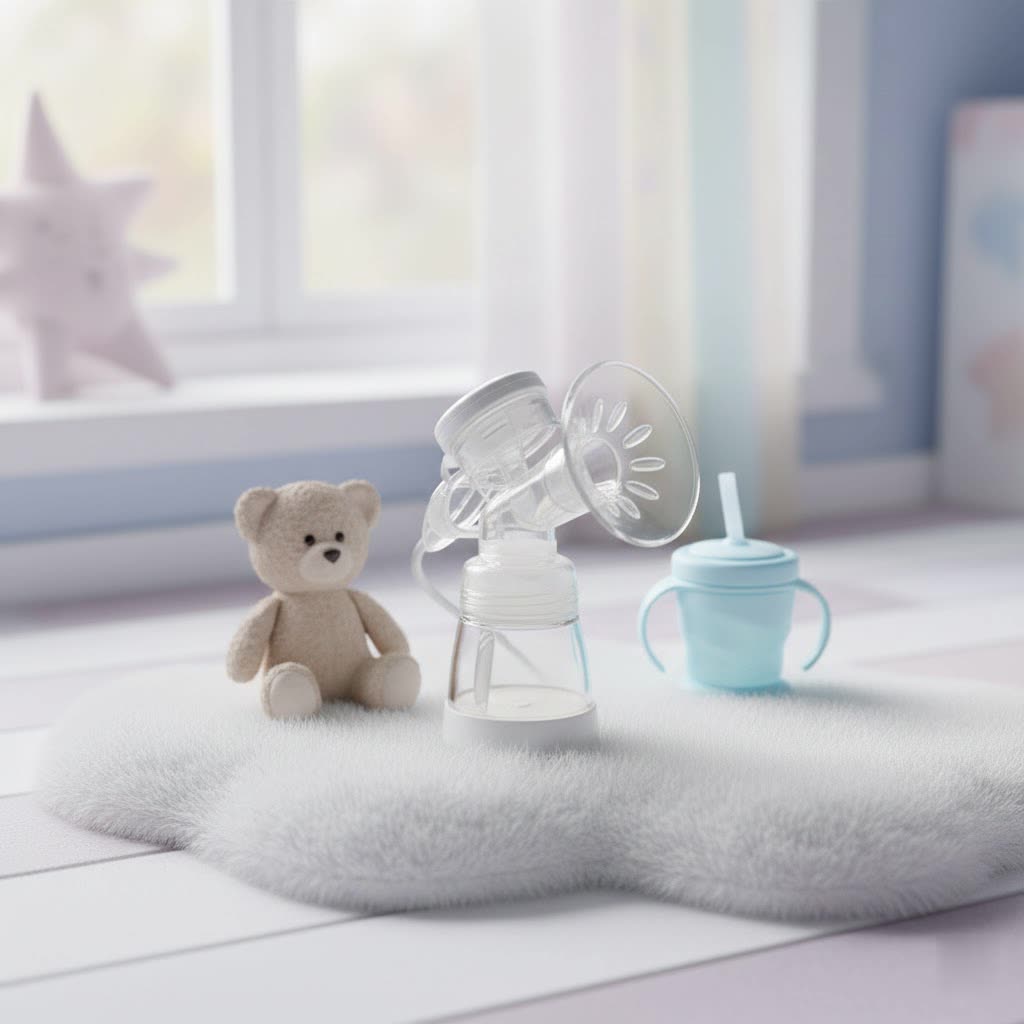
Navigating the journey of motherhood brings countless decisions, and for many, choosing the right breast pump is paramount. While electric models offer robust solutions for frequent use, the often-underestimated Hand Breast Pump stands out as a versatile, discreet, and incredibly convenient tool. Whether you need a quick pumping session between meetings, relief from unexpected engorgement, or a reliable companion for travel, a manual pump can be an invaluable asset. This comprehensive guide will explore the different types, help you choose the best fit, demonstrate proper usage and care, and address common concerns, empowering you to make an informed decision for your unique breastfeeding experience.
Understanding the Types of Hand Breast Pumps
Hand breast pumps fall into two primary categories, each offering distinct advantages for different needs.
- Lever-Style Hand Pumps: These are the traditional manual pumps featuring a handle that you squeeze to create suction and express milk. Brands like Medela Harmony, Lansinoh, and Philips Avent are well-known in this category. They offer direct control over suction strength and rhythm, often mimicking a baby’s natural suckling pattern with distinct stimulation and expression phases. They are excellent for actively emptying the breast during occasional sessions or as a backup to an electric pump.
- Silicone Breast Pumps/Collectors: Often exemplified by the Haakaa, Elvie Curve, or Boon Trove, these are passive milk collectors rather than active pumps. Made from a single piece of soft silicone, they attach to the breast using suction, drawing out milk passively, often while you nurse your baby on the other side. They are exceptionally quiet and ideal for catching let-down, relieving engorgement, or building a small milk stash without intensive pumping effort.
|
Our Picks for the Best Breast Pump in 2026
We may earn a commission when you use one of our links to make a purchase.
|
||
| Num | Product | Action |
|---|---|---|
| 1 | Momcozy Wearable Breast Pump, Hands Free Upgraded Mobile Flow - M9, App Discreet Control with Personalized Multi-Modes & 15 Levels, Wearable Breast Pump 24mm, 2 Pack Cozy Red |

|
| 2 | Paruu Hands Free Breast Pump P16, Wearable Breast Pump Electirc Portable with 4 Modes & 12 Levels, Max 309mmHg Strong Suction 19/21/24mm Flange Inserts Wearable Breastfeeding Pump, 2 Pack(Nude |
|
| 3 | Momcozy M5 Smart APP Controlled Wearable Breast Pump, Hands-Free Wireless Electric Pump, 3 Modes 9 Suction Levels, BPA-Free, Portable Lightweight, 24mm Flange, 2-Pack Quill Gray |
|
| 4 | Hands Free Breast Pump Wearable MY-375 - Strong Suction, Low Noise, Wearable Breastfeeding Pump with 4 Mode &12 Levels, Portable Electric Breast Pump 24mm - 19/21/Insert/Flange, 2 Pack (White) |
|
| 5 | Momcozy M5 Lite Hands-Free Wearable Breast Pump, DoubleFit Flange for Baby-Like Comfort, 3 Modes & 9 Suction Levels, No Flange Insert or Hard Carry Case, 24mm, 2-Pack, Cozy Red |
|
| 6 | Hands Free Breast Pump, Wearable Breastfeeding Pump with 4 Mode & 9 Level, Strong Suction, Painless, Anti-Backflow, BPA Free, Portable Electric Breast Pumps with 17/19/21/24MM Flanges |
|
| 7 | NCVI Electric Breast Pump 8782, Portable Hospital-Grade Double Pump with 4 Modes & 9 Levels, Anti-Backflow, Rechargeable Quiet Breastfeeding Pump for Efficient Comfortable Use at Home, Work or Travel |
|
| 8 | Momcozy M5 Smart APP Controlled Wearable Breast Pump, Hands-Free Wireless Electric Pump, 3 Modes 9 Suction Levels, BPA-Free, Portable Lightweight, 24mm Flange, 2-Pack Cozy Red |
|
| 9 | Momcozy Breast Pump V1 Pro Hospital-Grade, Hands-Free & Portable Wearable Pump, Upgraded Electric Pump with 3 Fine-Tuned Rhythms-15 Levels, Come with Leak-Proof DoubleFit Flange, Cozy Red. |
|
| 10 | Lulia Double Electric Breast Pump, Breastfeeding Pump 4 Modes & 9 Levels, Low Noise, Anti-Backflow & LED Display, BPA Free, Portable Breast Pumps with 24mm Flange |
|
Comparing Hand Breast Pumps: Lever-Style vs. Silicone
Choosing between a lever-style and a silicone hand pump depends on your specific needs and how you intend to use it. Here’s a detailed comparison to help clarify their differences:
| Feature | Lever-Style Hand Pump | Silicone Hand Pump (Haakaa-style) |
|---|---|---|
| Operation | Manual squeezing of a handle for active expression | Squeeze to create suction, then passive milk collection |
| Primary Use | Occasional pumping, quick emptying, travel, backup | Let-down collection, engorgement relief, supplemental stash building |
| Efficiency | Active expression, can be very efficient for complete emptying | Passive collection, ideal for leaks, may not fully empty the breast |
| Portability | Very good, lightweight, compact | Excellent, often one-piece, discreetly wearable (e.g., Elvie Curve) |
| Noise Level | Minimal, some models may have a slight handle squeak | Virtually silent |
| Physical Effort | Requires active hand strength and motion; can lead to fatigue | Minimal once attached; primarily passive collection |
| Parts to Clean | Few parts, straightforward assembly/disassembly | One-piece design, exceptionally easy to clean |
| Cost | Generally affordable to mid-range | Very affordable |
How to Choose the Right Hand Breast Pump for Your Needs
Selecting the perfect hand breast pump involves considering your lifestyle, budget, and specific pumping goals.
- Pumping Frequency and Purpose: If you plan to pump occasionally, need a quick backup, or pump while traveling, a lever-style pump offers active and efficient expression. For catching milk from the opposite breast while nursing, relieving engorgement, or building a passive milk stash, a silicone breast pump is an excellent, hands-free choice.
- Budget Considerations: Hand breast pumps are significantly more budget-friendly than most electric models, making them an accessible option for many parents. Silicone pumps are often the most economical.
- Comfort and Fit: Ensuring a comfortable and secure fit is crucial for efficient and pain-free pumping. Many lever-style pumps come with different flange sizes or soft, flexible rims to accommodate various breast shapes and nipple sizes. An ergonomic handle design can also reduce hand fatigue during use.
- Ease of Cleaning: The fewer parts a pump has, the easier it typically is to clean. Many hand pumps are designed with minimal components, simplifying the cleaning and sterilization process. Silicone pumps are renowned for their single-piece construction, making them incredibly easy to maintain.
- Portability Requirements: All hand pumps excel in portability due to their compact size and lack of reliance on a power source. However, wearable silicone pumps offer the ultimate discretion, fitting inside your bra for hands-free collection on the go.
Top Hand Breast Pumps for Every Mother
Several hand breast pumps consistently receive high praise from parents for their effectiveness, comfort, and design.
- Medela Harmony Manual Breast Pump: A popular choice known for its two-phase expression technology, mimicking a baby’s natural feeding rhythm. It’s lightweight, portable, and often lauded for its efficiency in emptying the breast for quick, active pumping sessions.
- Lansinoh Manual Breast Pump: This pump features ComfortFit flanges for a snug yet gentle seal and also offers stimulation and expression modes. It’s praised for its efficiency and comfortable design, making pumping less strenuous.
- Haakaa Silicone Breast Pump: An iconic passive milk collector, the Haakaa is perfect for capturing let-down while nursing or for gentle suction to relieve engorgement. Its one-piece silicone design makes it incredibly easy to use and clean.
- Philips Avent Manual Breast Pump: Known for its Natural Motion Technology and soft massage cushion, this pump aims to stimulate milk flow quickly and comfortably. Its compact design also makes it a great option for travel.
- Elvie Curve / Boon Trove Passive Silicone Pumps: These wearable silicone collectors fit inside your bra, offering discreet, hands-free milk collection. They are ideal for multitasking or when you need a subtle way to catch milk without a full pumping setup.
Guide to Using and Cleaning Your Hand Breast Pump
Mastering your hand breast pump involves proper technique and diligent hygiene.
Preparation is Key:
- Wash Your Hands: Always start by washing your hands thoroughly with soap and water.
- Sterilize Parts: Before first use, and regularly thereafter, sterilize all pump parts that come into contact with breast milk, following the manufacturer’s instructions.
- Find Your Zen: Choose a quiet, comfortable, and relaxing environment. Some mothers find it helpful to gently massage their breasts, apply a warm compress, or look at a photo of their baby to encourage let-down.
Pumping Technique (Lever-Style Pumps):
- Position Correctly: Center your nipple comfortably within the breast shield (flange). The flange should create a gentle seal around your breast without pinching or discomfort.
- Stimulation Phase: Begin with short, quick squeezes of the handle. This rapid rhythm mimics a baby’s initial suckling to stimulate your let-down reflex and start milk flowing.
- Expression Phase: Once milk begins to flow steadily, switch to slower, deeper squeezes. This longer, more sustained suction helps to express milk efficiently.
- Adjust and Alternate: Adjust the rhythm and pressure as needed to maintain comfort and optimal milk flow. Pump one breast until the flow significantly slows, then switch to the other breast. You may switch back and forth a few times.
Pumping Technique (Silicone Pumps like Haakaa):
- Create Suction: Squeeze the base of the silicone pump to expel air, then place the opening over your nipple, ensuring a good seal. Release the squeeze to create gentle suction.
- Passive Collection: The pump will now passively collect milk as it lets down. You can occasionally give a gentle squeeze to enhance suction if desired.
- Remove Gently: To remove, break the suction by gently squeezing the base or the rim of the pump.
Cleaning and Storage:
- Disassemble Immediately: After each use, disassemble all pump parts.
- Wash Thoroughly: Wash all parts in warm, soapy water. Use a dedicated brush for pump parts.
- Rinse and Air Dry: Rinse all components thoroughly under running water and allow them to air dry completely on a clean rack or paper towel. Avoid using a cloth towel, which can transfer germs.
- Store Milk Safely: Transfer expressed milk into sterile storage bags or bottles and store promptly in the refrigerator or freezer according to safe breast milk storage guidelines.
Common Issues and Simple Solutions with Hand Breast Pumps
While hand breast pumps are generally straightforward, you might encounter a few common issues.
- Low or No Milk Output: This can often be resolved by checking your flange fit – a poor fit can hinder milk flow. Ensure you’re relaxed, try breast massage before or during pumping, and confirm you’re using the correct stimulation and expression techniques. Staying well-hydrated is also essential for milk production.
- Pain or Discomfort: Pumping should never hurt. If you experience pain, immediately re-evaluate your flange size. It might be too small or too large, causing pinching or inadequate suction. Adjust your positioning, apply gentle suction, and avoid over-squeezing the handle forcefully.
- Hand Fatigue: Manual pumping requires physical effort, and for longer or more frequent sessions, hand fatigue is common. Take regular breaks, alternate hands if possible, and ensure you have an ergonomic grip on the pump handle. If fatigue becomes a consistent problem, a hand pump might be best reserved for shorter, occasional uses.
- Pump Squeaking: Some lever-style pumps may develop a squeak over time. This is often due to friction between parts. Check that all components are correctly assembled. Sometimes, a tiny amount of food-grade lubricant (if recommended by the manufacturer) on specific moving parts can help, but always consult your pump’s manual first.
Where to Purchase Hand Breast Pumps
Hand breast pumps are widely available, making them easy to acquire when needed. You can find them at:
- Online Retailers: Websites like Amazon, Target, and Walmart offer a vast selection of brands and models, often with customer reviews and competitive pricing.
- Baby Specialty Stores: Retailers specializing in baby products typically carry a range of manual pumps, and staff can often provide advice.
- Pharmacies and Drugstores: Many local pharmacies stock basic manual breast pump models for convenient access.
- Manufacturer Websites: Purchasing directly from brands like Medela, Lansinoh, or Philips Avent ensures you receive genuine products and can access direct customer support.
Conclusion
A hand breast pump is a valuable and often indispensable tool for any breastfeeding mother. Its unparalleled portability, affordability, and ability to provide immediate relief or collect precious milk on the go make it a perfect complement to any feeding plan. Whether you’re using it as an emergency backup, a discreet travel companion, or a gentle way to manage engorgement, a manual pump offers control and simplicity. By understanding the different types, selecting one that suits your needs, and mastering proper usage and care, you can harness the power of this compact device to support your unique breastfeeding journey. What moments in your day could be made easier with the convenience of a hand breast pump?