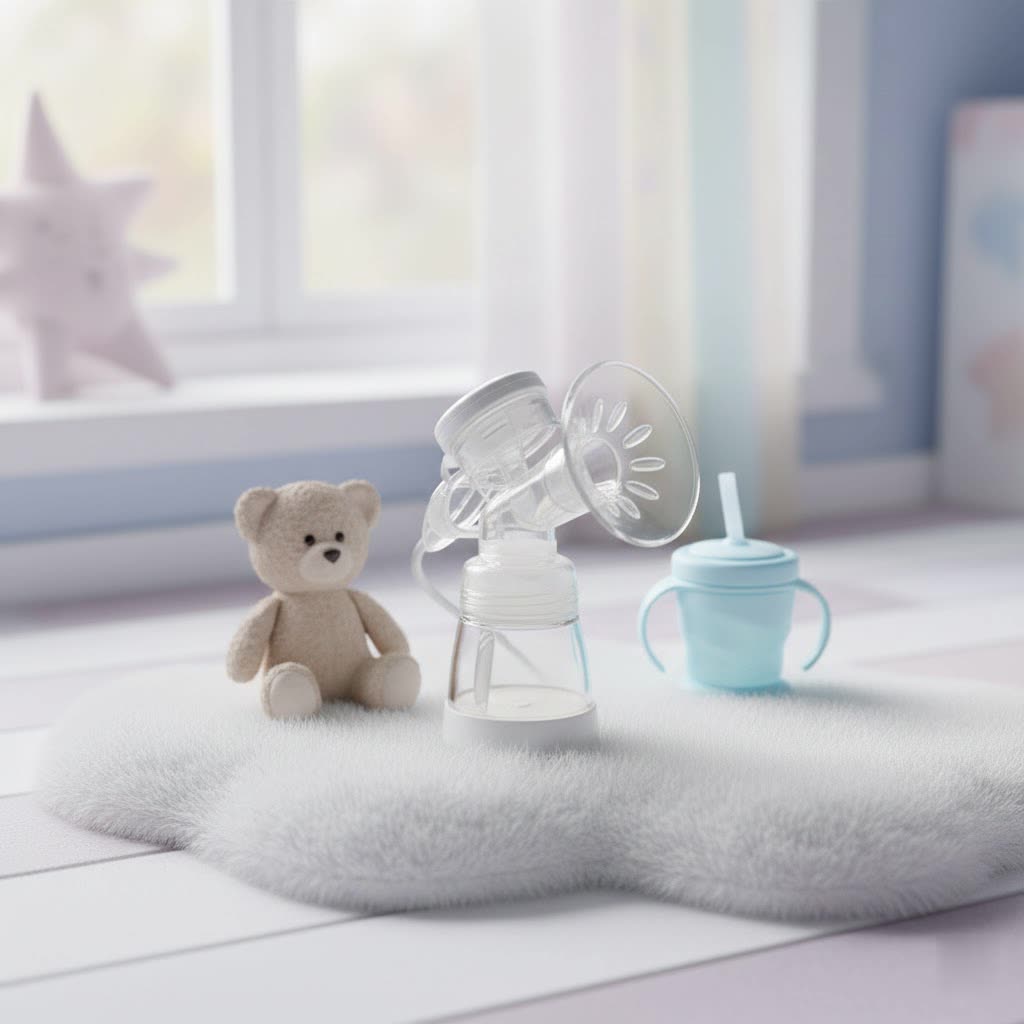
Embarking on the breastfeeding journey is a unique experience for every mother, and finding the right tools can make all the difference. When it comes to breast pumps, the market offers a vast array of choices, but Hygeia has carved out a reputation for providing reliable and comfortable pumping solutions. This comprehensive guide will delve into the world of Hygeia Breast Pumps, exploring their features, comparing them to other leading brands, and offering practical advice to help you select, use, and maintain the ideal pump for your needs.

Understanding Hygeia Breast Pumps
Hygeia has positioned itself as a brand dedicated to supporting mothers with high-quality, hospital-grade performance breast pumps. A key highlight across their range is the commitment to safety, with all pump parts that come into contact with breast milk being BPA and DEHP-free, offering peace of mind for health-conscious parents.
Hygeia offers several notable models, each designed to cater to different pumping needs:
- Hygeia Endeare: Often lauded for its hospital-grade suction, the Endeare includes convenient features like built-in bottle holders and a unique CARE button to record pumping sessions. It’s praised for its comfort and ability to help mothers increase their milk supply.
- Hygeia Express: This model focuses on portability and discretion, delivering hospital-grade strength in a lightweight, cordless design. Its quiet operation makes it suitable for on-the-go pumping, and it offers optional wearable milk collection cups for added convenience.
- Hygeia Pro: A compact and lightweight traditional pump, the Pro is designed for flexibility, fitting easily into a pocket for mothers who need to pump at work or while traveling. It features an intuitive interface with 12 different expression settings and convenient USB-C charging.
- Hygeia EnJoye and Evolve: These models round out Hygeia’s offerings, providing robust performance with user-friendly designs, catering to a wide range of pumping preferences and routines.
Types of Breast Pumps and Where Hygeia Fits In
Breast pumps come in various forms, each suited for different lifestyles and pumping frequencies. Understanding these categories helps contextualize where Hygeia models excel:
- Manual Breast Pumps: Operated by hand, these are best for occasional use, relieving engorgement, or when electricity isn’t available. Hygeia offers manual options for mothers seeking simplicity and control.
- Electric Single Breast Pumps: Designed to pump one breast at a time, these are good for mothers who pump periodically. They are generally more portable than double pumps but take longer.
- Electric Double Breast Pumps: The most common type for regular or exclusive pumpers, allowing simultaneous pumping from both breasts, which can save time and potentially increase milk supply. Many Hygeia models, like the Endeare and EnJoye, fall into this category, offering powerful double-pumping capabilities.
- Hands-Free/Wearable Breast Pumps: These integrate milk collection into the bra, offering maximum mobility. The Hygeia Express, with its optional wearable collection cups, moves towards this category, providing greater freedom while pumping.
Hygeia primarily focuses on electric double breast pumps, providing hospital-grade performance and portability in several of their models, making them a strong contender for mothers who prioritize efficiency, comfort, and flexibility.
Detailed Comparison: Hygeia vs. Other Leading Brands
When selecting a breast pump, many mothers compare Hygeia with popular brands like Medela and Spectra. Here’s a detailed comparison to highlight the key differences:
| Feature | Hygeia | Spectra | Medela |
|---|---|---|---|
| Hospital-Grade | Many models (Endeare, Express, Pro) | Some models (S1Plus, S2Plus, Synergy Gold) | Often seen in hospital rentals; personal pumps vary |
| Closed System | Yes (bacteriostatic filter) | Yes | Some models (e.g., Pump In Style MaxFlow) |
| Portability | Express & Pro are highly portable/lightweight | S1Plus has rechargeable battery, S2 is plug-in | Pump in Style MaxFlow offers portability |
| Comfort | Frequently praised by users | Known for gentle, rhythmic suction | Reliable, but some find suction less natural |
| Noise Level | Generally quiet, especially Express | Very quiet operation | Can be louder than Spectra |
| Customization | Good (multiple expression settings, flange sizes) | Excellent (massage mode, suction/cycle control) | Good (2-phase expression, suction control) |
| Parts Availability | Accessible through Hygeia Health and specialty retailers; some models harder to find initially | Widely available online and in stores | Widely available online and in stores |
| Price/Insurance | Often covered by insurance; out-of-pocket value varies | Generally affordable, widely covered by insurance | Widely covered by insurance, various price points |
| Bottle Compatibility | Can use traditional or wide-mouth bottles (Endeare) | Standard narrow-neck bottles, wide-mouth adapters available | Proprietary bottles, adapters for wide-mouth available |
| Flange Sizes | Offers a range of sizes (24mm to 31mm) | Offers 24mm, 28mm (others sold separately) | Offers various sizes |
| Valves | Duckbill and offset valves | Duckbill valves | Flap-style valves |
Hygeia pumps are often recognized for their superior comfort and hospital-grade performance across several models. The Hygeia Express, in particular, stands out for its portable, quiet design and optional wearable cups, catering to busy, on-the-go mothers. While some Hygeia models might be slightly harder to find than their Medela or Spectra counterparts, their quality and features make them a strong choice, especially if covered by insurance.
“The Hygeia pump combines powerful suction with a gentle rhythm, mimicking a baby’s natural nursing pattern. This makes it a top choice for mothers seeking both efficiency and comfort.” – Dr. Elena Petrova, Lactation Consultant.
Choosing the Right Hygeia Breast Pump for You
Selecting the ideal breast pump is a personal decision, influenced by your lifestyle, budget, and specific needs. Here’s how to choose a Hygeia pump that perfectly aligns with your breastfeeding journey:
- Determine Your Usage Needs:
- Exclusive Pumping: If you plan to pump full-time, a durable, efficient, hospital-grade double electric pump like the Hygeia Endeare or EnJoye is crucial for maintaining supply.
- Working Mother: Portability and quiet operation are key. The Hygeia Express or Pro, known for their lightweight design and discreet pumping, could be excellent choices.
- Occasional Pumping/Relief: For infrequent use, a manual pump or a basic electric single pump might suffice.
- Increasing Milk Supply: Pumps with customizable settings and strong, consistent suction, like the Endeare, can be beneficial.
- Consider Your Budget and Insurance Coverage: Many insurance plans cover breast pumps, so check your benefits. Hygeia pumps are often available through insurance providers. While the out-of-pocket cost might vary, the value in terms of comfort and performance is high.
- Prioritize Key Features:
- Suction and Speed Settings: Look for pumps with adjustable settings to mimic your baby’s natural nursing rhythm (e.g., Hygeia Pro’s 12 expression settings).
- Flange Size: Proper flange fit is critical for comfort and efficiency. Hygeia offers various flange sizes (e.g., 24mm, 27mm, 31mm); ensure you measure your nipple for the correct fit.
- Closed System: Hygeia pumps feature a closed system with bacteriostatic filters, preventing milk from entering the tubing and motor, which promotes hygiene.
- Portability & Battery Life: If you’ll pump away from home, a rechargeable battery and lightweight design (like the Hygeia Express or Pro with USB-C charging) are essential.
- Noise Level: A quiet pump is valuable for discreet pumping in public or near a sleeping baby.
- Read User Reviews: Gain insights from other mothers’ experiences. Hygeia pumps generally receive high marks for comfort, effectiveness, and ease of use. Pay attention to feedback on durability and customer support.
Top Hygeia Breast Pumps: A Closer Look
Hygeia offers several models, each with distinct advantages. Here’s a closer look at some of their most popular options:
- Hygeia Endeare: This hospital-grade pump is a favorite for mothers needing robust performance.
- Pros: Exceptional suction power, comfortable pumping experience, built-in bottle holders, CARE button for tracking sessions, compatible with various bottle types.
- Cons: Can be less portable than other Hygeia models.
- Ideal for: Exclusive pumpers, mothers looking to increase milk supply, or those seeking a powerful, reliable pump for home use.
- Hygeia Express: Designed with mobility in mind, the Express offers hospital-grade strength in a compact package.
- Pros: Highly portable, lightweight, quiet operation for discretion, optional wearable collection cups, rechargeable battery.
- Cons: The motor might have limitations for very heavy-duty, exclusive use; wearable cups may not be universally compatible.
- Ideal for: Working mothers, travelers, or those who need to pump frequently on the go without sacrificing strength.
- Hygeia Pro: A small and intuitive pump that prioritizes ease of use and portability.
- Pros: Very lightweight and compact, easy to operate with intuitive settings, 12 expression modes for customization, USB-C charging for convenience, built-in timer.
- Cons: Not as powerful as some hospital-grade models for extreme milk supply challenges.
- Ideal for: Mothers who need a discreet, easy-to-carry pump for regular use outside the home.
Using and Maintaining Your Hygeia Breast Pump
Proper usage and maintenance are crucial for the longevity and effectiveness of your Hygeia breast pump.
Lắp ráp máy hút sữa
|
Our Picks for the Best Breast Pump in 2026
We may earn a commission when you use one of our links to make a purchase.
|
||
| Num | Product | Action |
|---|---|---|
| 1 | Momcozy Wearable Breast Pump, Hands Free Upgraded Mobile Flow - M9, App Discreet Control with Personalized Multi-Modes & 15 Levels, Wearable Breast Pump 24mm, 2 Pack Cozy Red |

|
| 2 | Paruu Hands Free Breast Pump P16, Wearable Breast Pump Electirc Portable with 4 Modes & 12 Levels, Max 309mmHg Strong Suction 19/21/24mm Flange Inserts Wearable Breastfeeding Pump, 2 Pack(Nude |
|
| 3 | Momcozy M5 Lite Hands-Free Wearable Breast Pump, DoubleFit Flange for Baby-Like Comfort, 3 Modes & 9 Suction Levels, No Flange Insert or Hard Carry Case, 24mm, 2-Pack, Cozy Red |
|
| 4 | Momcozy M5 Smart APP Controlled Wearable Breast Pump, Hands-Free Wireless Electric Pump, 3 Modes 9 Suction Levels, BPA-Free, Portable Lightweight, 24mm Flange, 2-Pack Quill Gray |
|
| 5 | Lulia Double Electric Breast Pump, Breastfeeding Pump 4 Modes & 9 Levels, Low Noise, Anti-Backflow & LED Display, BPA Free, Portable Breast Pumps with 24mm Flange |
|
| 6 | Hands Free Breast Pump Wearable MY-375 - Strong Suction, Low Noise, Wearable Breastfeeding Pump with 4 Mode &12 Levels, Portable Electric Breast Pump 24mm - 19/21/Insert/Flange, 2 Pack (White) |
|
| 7 | Momcozy Breast Pump V1 Pro Hospital-Grade, Hands-Free & Portable Wearable Pump, Upgraded Electric Pump with 3 Fine-Tuned Rhythms-15 Levels, Come with Leak-Proof DoubleFit Flange, Cozy Red. |
|
| 8 | Hands Free Breast Pump, Wearable Breastfeeding Pump with 4 Mode & 9 Level, Strong Suction, Painless, Anti-Backflow, BPA Free, Portable Electric Breast Pumps with 17/19/21/24MM Flanges |
|
| 9 | NCVI Electric Breast Pump 8782, Portable Hospital-Grade Double Pump with 4 Modes & 9 Levels, Anti-Backflow, Rechargeable Quiet Breastfeeding Pump for Efficient Comfortable Use at Home, Work or Travel |
|
| 10 | Momcozy M5 Smart APP Controlled Wearable Breast Pump, Hands-Free Wireless Electric Pump, 3 Modes 9 Suction Levels, BPA-Free, Portable Lightweight, 24mm Flange, 2-Pack Cozy Red |
|
- Filter Connection: Twist the threaded dual-port filter onto the front of the pump in a clockwise motion until secure. A slight gap is normal.
- Tubing: Place the loose end of the tubing onto each stem of the dual-port filter. If single pumping, cap one stem.
- Valves & Flanges: Securely install the duckbill valve onto the underside of the flange.
- Collection Kit: Attach the flange to a clean collection bottle or bag.
Proper Pumping Technique
- Flange Fit: Ensure the flange creates a complete seal against your breast and that your nipple moves freely within the tunnel without excessive rubbing. Use Hygeia’s nipple measuring tool if unsure of your size.
- Start with Massage Mode (if available): Begin with a faster, lighter suction to stimulate let-down, mimicking a baby’s initial suckling.
- Adjust to Expression Mode: Once milk starts flowing, switch to a slower, stronger suction. Adjust the vacuum level to where it feels comfortable but effective—too high can be painful and reduce output.
- Pumping Duration: Aim for 10-15 minutes per breast for double pumping, even if milk stops flowing earlier, to signal your body to produce more.
Cleaning and Sterilization
Maintaining hygiene is paramount. Follow these steps:
- Daily Cleaning: After each use, disassemble all parts that come into contact with breast milk (flanges, valves, bottles, rings, caps). Hand wash thoroughly with warm, soapy water and a soft cloth. Rinse completely.
- Sterilization: Sterilize these cleaned parts (not tubing or filters) daily or as recommended by your lactation consultant. Methods include boiling for 3-5 minutes, using a microwave steam sterilizer bag, or placing them on the top rack of a dishwasher. Avoid boiling for too long, as it can warp parts.
- Drying: Allow all parts to air dry completely on a clean towel or drying rack. Ensure no moisture remains before reassembly.
- What NOT to Wash: Do not wash or wet the tubing or dual-port filters. Keep them dry to maintain their integrity and prevent mold. If milk gets into the tubing or filter, replace them immediately.
- Part Replacement: To maintain optimal suction and hygiene, replace duckbill valves and bacteriostatic filters every 100 pumping sessions or every 6-8 weeks for a regular pumper. Other parts like tubing or flanges should be replaced if you notice wear, tears, discoloration, or if they appear warped.
Storage
Store your breast pump and cleaned parts in a clean, dry place. If storing milk, use proper breast milk storage guidelines.
Common Issues and Troubleshooting
Even with the best pumps, you might encounter issues. Here’s how to troubleshoot common problems with your Hygeia breast pump:
- My Breast Pump Has Low or No Suction:
- Check Battery/Power: Ensure the pump is fully charged or properly plugged in with the original power adapter.
- Test Suction: Disconnect the kit from the pump. Turn on the pump and place a finger over the holes on the front to feel for suction. If there’s no suction at the pump itself, contact Hygeia customer service.
- Inspect Parts: Check duckbill valves for tears, stretching, or wear. Replace them if compromised. Ensure tubing is clear of obstructions, kinks, or damage.
- Connections: Confirm all kit components (flanges, valves, tubing, filter) are snugly and properly connected, with no air leaks.
- Flange Fit: Ensure the flange is correctly placed on your breast and adequately sized. An ill-fitting flange can reduce suction.
- Filter Integrity: Make sure the bacteriostatic filter is dry and intact.
- Pumping is Painful:
- Flange Size: The most common cause of pain is an incorrect flange size. Your nipple should move freely without rubbing. Consult Hygeia’s flange sizing guide.
- Suction Level: The suction level may be too high. Reduce the setting to a comfortable level that still allows milk flow.
- Milk is Leaking from the Kit:
- Part Assembly: Ensure all components are tightly screwed together and properly sealed.
- Bottle Placement: Make sure bottles are securely attached to the flanges.
- Valve Damage: Check duckbill valves for any tears or improper seating.
If these troubleshooting steps don’t resolve the issue, refer to your Hygeia instruction manual or contact Hygeia customer support for further assistance.
Where to Purchase Hygeia Breast Pumps and Parts
Acquiring a Hygeia breast pump or replacement parts is straightforward.
- Official Hygeia Health Website: The most direct source for all Hygeia breast pumps, accessories, and replacement parts.
- Specialty Mother and Baby Stores: Many dedicated stores carry Hygeia products, allowing for in-person assistance.
- Online Retailers: Major online platforms often stock various Hygeia models and parts.
- Insurance Providers/Medical Supply Companies: Due to their hospital-grade reputation, many Hygeia pumps are available through insurance coverage. Work with a durable medical equipment (DME) supplier to determine your eligibility.
Always ensure you purchase from authorized retailers to guarantee genuine Hygeia products and warranty coverage.
Conclusion
The Hygeia breast pump stands out as a reliable, comfortable, and often hospital-grade option for mothers navigating their breastfeeding journeys. Whether you’re an exclusive pumper, a working mom seeking portability, or simply looking for an efficient solution, Hygeia offers a range of models designed to meet diverse needs. By understanding the different types, carefully considering your personal requirements, and adhering to proper usage and maintenance, you can ensure your Hygeia breast pump effectively supports your milk supply and overall pumping experience. Choosing the right Hygeia breast pump means investing in comfort, efficiency, and peace of mind.
What aspects of the Hygeia breast pump do you value most in your daily routine?
Frequently Asked Questions
Is the Hygeia breast pump a closed system?
Yes, Hygeia breast pumps feature a closed system design, incorporating bacteriostatic filters to prevent milk from flowing back into the tubing and pump motor. This design helps maintain hygiene and protect the pump mechanism, ensuring that breast milk remains uncontaminated during pumping sessions.
How often should I replace Hygeia pump parts?
For optimal performance and hygiene, it’s recommended to replace Hygeia duckbill valves and bacteriostatic filters every 100 pumping sessions or approximately every 6-8 weeks for regular users. Other parts like tubing or flanges should be replaced if they show signs of wear, tears, discoloration, or reduced elasticity.
Are Hygeia breast pumps covered by insurance?
Many Hygeia breast pumps, particularly their hospital-grade models, are often covered by health insurance plans as part of the Affordable Care Act. It’s advisable to contact your specific insurance provider or a medical supply company specializing in breast pumps to verify your coverage and available models.
Can I use other brands of bottles with my Hygeia breast pump?
Some Hygeia models, like the Endeare, are designed to be compatible with both traditional and wide-mouth bottles. However, compatibility can vary by model. Always check your specific pump’s manual or product description to confirm bottle compatibility, or look for adapters if you wish to use different bottle brands.
What should I do if my Hygeia pump has weak suction?
If your Hygeia pump has weak suction, first check the power source and ensure the battery is charged. Then, inspect all parts for proper assembly, ensure duckbill valves are intact and securely seated, and check tubing for kinks or damage. Verify your flange size is correct, as an improper fit can reduce suction. If problems persist, contact Hygeia customer service.